One of the most common questions creators ask is how long their YouTube videos should be. The answer has changed significantly, and in 2026, there is no single magic number. The optimal video length depends on your niche, content type, audience behavior, and how well you maintain viewer attention. What has not changed is YouTube’s core priority: watch time. Videos that keep viewers engaged for longer sessions are rewarded with better rankings and broader recommendations. This guide examines the data behind video length performance across different niches and helps you find the sweet spot for your specific channel and audience.
This guide covers optimal youtube video length for in plain language for creators in India, the US, the UK, and global audiences. Whether you are starting out or refining a channel that already earns views, the frameworks below help you work smarter—not just post more often. Read through the charts and comparison table, then apply one change per week so improvements stick.
How Video Length Affects the YouTube Algorithm
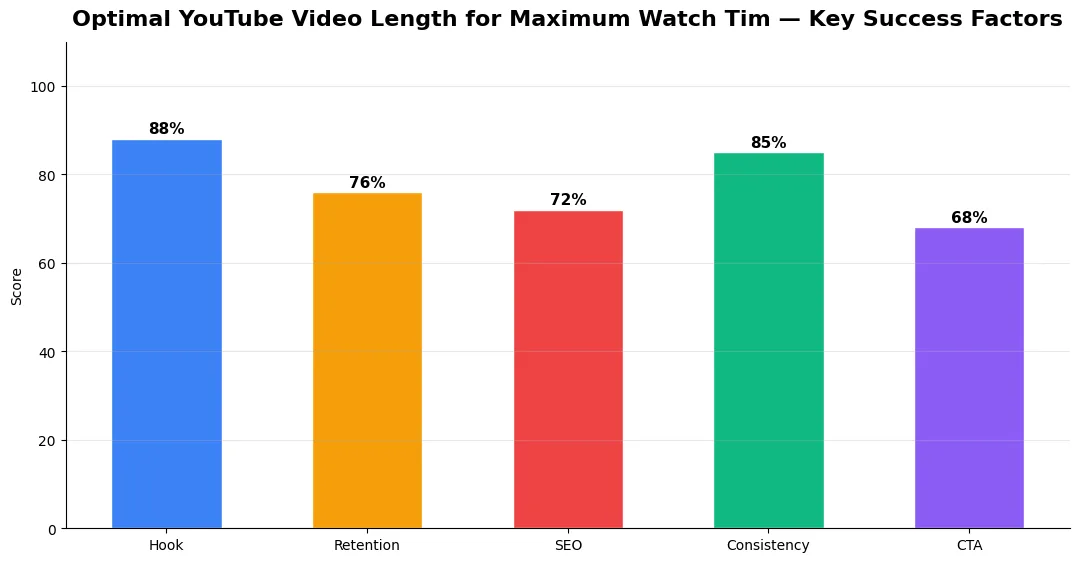
YouTube evaluates watch time both in absolute minutes and as a percentage of total duration. A 20-minute video where the average viewer watches 12 minutes generates more total watch time than a 5-minute video watched to completion — and the algorithm values that accumulated session time. However, retention percentage also matters for search rankings and suggested placements. The recommendation engine in 2026 uses a satisfaction model weighing both metrics alongside engagement actions. A shorter video with near-perfect retention can outperform a longer video where viewers drop off halfway. Your ideal length is the longest duration at which you can maintain high retention — and not a minute longer. Finding this balance is what separates channels that grow from those that stagnate.
Optimal Video Length by Content Type
| Content Type | Optimal Length | Avg. Retention | Watch Time Potential |
|---|---|---|---|
| Tutorials / How-to | 10–18 minutes | 45–55% | High |
| Product reviews | 8–14 minutes | 40–50% | Medium–High |
| Vlogs / Lifestyle | 12–20 minutes | 35–45% | Medium |
| News / Commentary | 10–15 minutes | 40–50% | Medium–High |
| Entertainment / Comedy | 8–12 minutes | 50–60% | Medium |
| Educational deep-dives | 15–30 minutes | 35–45% | Very High |
| Shorts | 30–58 seconds | 70–90% | Low per video |
Strategies to Maximize Watch Time at Any Length
Open with a strong hook — state the value proposition within the first 10 seconds. Use open loops by teasing upcoming sections early without revealing the payoff. Break content into clear segments with transitions to create a sense of progression. Pattern interrupts such as camera angle changes and on-screen graphics every 60–90 seconds prevent monotony. Study your retention graphs through analytics tools to identify exact drop-off points and adjust editing for future uploads. When content naturally demands a shorter format, embrace it — a tight 7-minute video with 65% retention outperforms a padded 15-minute video where viewers leave at the 6-minute mark.
The Mid-Roll Ad Factor
Videos over 8 minutes qualify for mid-roll ads, leading many creators to artificially extend content. While longer videos can generate more revenue per view, this only works if viewers reach the mid-roll points. YouTube’s engaged views metric tracks whether viewers meaningfully interact with content, and padded videos often suffer lower satisfaction scores. The algorithm detects patterns where retention drops sharply around ad placements and may reduce recommendations. Plan your structure around natural breakpoints where mid-rolls feel less intrusive. The content sequencing strategies top creators use ensure each section carries the viewer past any interruption. The bottom line is that revenue and rankings both benefit most when you respect your audience’s time — deliver value efficiently, and both watch time and monetization will follow naturally.
Measuring Success — Metrics That Matter
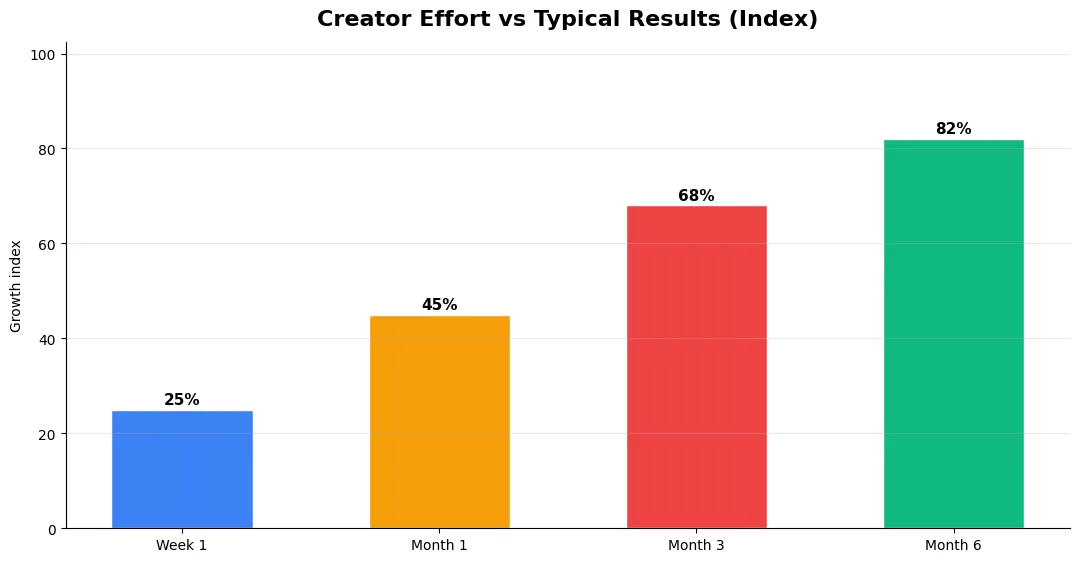
Track average view duration and audience retention before raw view count. Rising retention tells you the content matches the promise of your title and thumbnail; falling retention signals a hook or pacing problem. Monitor click-through rate separately—high CTR with low retention usually means the packaging oversold the video.
For growth channels, watch subscriber conversion per thousand views and returning viewer percentage. For monetized channels, revenue per mille and watch time from high-value geographies matter more than viral spikes from low-monetization regions. Set monthly targets for two metrics only; too many KPIs dilute focus.
Step-by-Step Workflow for 2026
Start by defining one clear outcome for every piece of content you publish. Map the viewer journey from the first frame to the subscribe or click action, and remove any step that does not move that journey forward. Batch your research, scripting, and B-roll capture so you are not context-switching between creative and administrative tasks every day.
Use a simple checklist before upload: title clarity, thumbnail readability on mobile, hook strength in the first three seconds, captions accuracy, and end-screen placement. Creators who treat upload as a quality gate—not a rush job—see compounding gains in retention and discovery over 2026.
Common Mistakes to Avoid in 2026
The fastest way to stall growth is copying trends without adapting them to your niche voice. Another frequent error is optimizing only for views while ignoring audience fit, which inflates vanity metrics but hurts monetization and brand deals later. Avoid posting on inconsistent schedules; algorithms and audiences both reward predictable cadence.
Do not neglect analytics review. Spend thirty minutes weekly on retention curves, traffic sources, and click-through rate on thumbnails. Small iterative fixes—tighter hooks, clearer titles, better pacing—often outperform chasing entirely new formats every week.
Tools and Resources That Save Time
Invest in lightweight tools that reduce friction: a caption workflow, a thumbnail template system, and a title/description helper so metadata stays consistent. The YT Title Description Generator app helps you draft SEO-friendly titles and descriptions quickly when you batch-upload multiple videos.
Keep a swipe file of hooks, titles, and thumbnails that performed well in your niche—not to copy, but to analyze patterns. Pair that with YouTube Studio analytics and one external keyword or trend tool so creative decisions stay grounded in data.
| Level | Strategy | Typical outcome |
|---|---|---|
| Beginner approach | Copy trends blindly | Low retention, no brand |
| Structured approach | Test hooks + analyze data | Steady growth |
| Pro approach | Series + community loop | Higher LTV audience |
Is there a minimum video length for YouTube SEO?
Do longer videos always rank higher on YouTube?
Should I make Shorts and long-form videos for the same topic?
Final Verdict — Optimal Youtube Video Length For in 2026
Success with optimal youtube video length for comes from clarity, consistency, and honest delivery on every title and thumbnail promise. Use the step-by-step workflow, avoid the common mistakes above, and measure retention before chasing viral spikes. Small weekly improvements compound into channel growth that lasts beyond a single trending moment.
Also Read: