“Engaged views” has become one of the clearest ways YouTube signals that a watch looked meaningful—not just that someone started the video. If you have stared at impressions and CTR but still felt confused about distribution, this metric helps explain whether people actually stuck with your idea. Below we define engaged views, contrast them with classic view counts, and show how to read them next to CTR, watch time, and average view duration (AVD) in analytics.
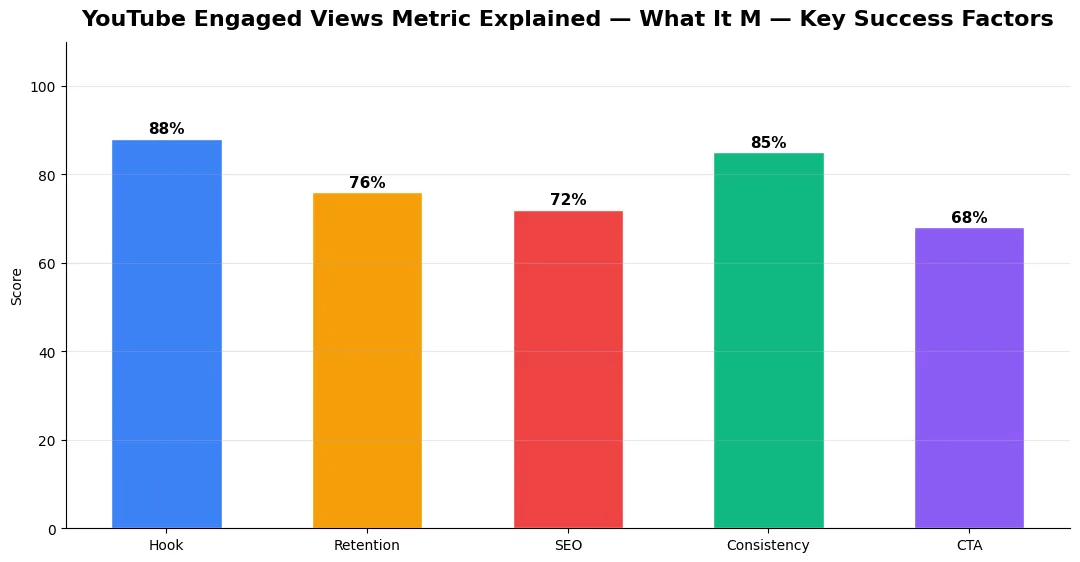
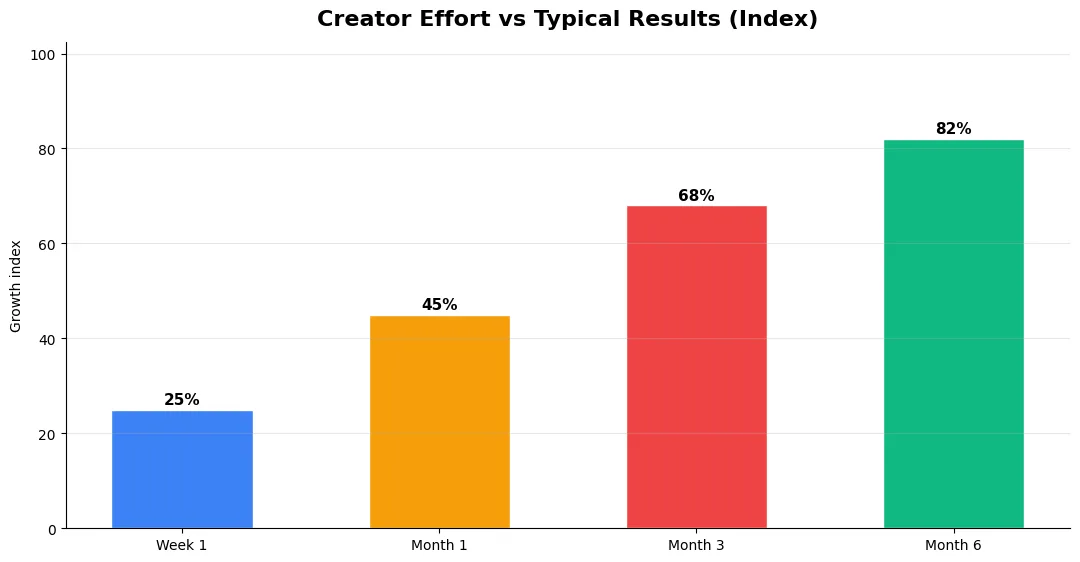
This guide covers youtube engaged views metric explained in plain language for creators in India, the US, the UK, and global audiences. Whether you are starting out or refining a channel that already earns views, the frameworks below help you work smarter—not just post more often. Read through the charts and comparison table, then apply one change per week so improvements stick.
What engaged views are in simple terms
An engaged view generally reflects watch behavior that goes beyond a brief or accidental open—think meaningful attention rather than a stray tap. YouTube surfaces the label in analytics so creators can align content quality with outcomes the recommendation system cares about. It is not a license to chase empty retention tricks; the goal is to deliver the promise of your title and thumbnail so people stay willingly. Connect this metric with how you structure series and hooks using YouTube 2026 algorithm and content sequencing.
How engaged views differ from views—and why they matter
Traditional view counts answer “how many times did playback qualify under counting rules,” which is useful for scale. Engaged views tilt the story toward “how often did watches look attentive enough to count as strong positive feedback.” A video can have solid views but weaker engagement if many people leave early; another may have fewer starts but healthier engaged views if the right audience stays. Pair the metric with traffic sources: a high CTR from suggested with weak engagement often points to packaging that overpromises. For CTR context after UI changes, read YouTube 2026 creator platform changes — complete guide and thumbnail discussions across the site.
Publicly and in creator tools, the platform has moved toward satisfaction-aware discovery. Engaged views help summarize whether clicks turned into rewarding sessions, which protects viewers from endless clickbait loops. For you, it rewards clear intros, honest thumbnails, and pacing that respects busy audiences. Smaller channels can compete here without a huge subscriber count if each video earns attentive watches; growth tactics still matter—see small YouTube channels grow faster in 2026 for practical ideas.
Engaged views vs. other key metrics (comparison)
| Metric | What it highlights | Typical use with engaged views |
|---|---|---|
| Views | Scale of qualified plays | Check scale first, then engagement quality |
| CTR | Thumbnail and title appeal | High CTR + low engagement = fix hook or promise |
| Watch time | Total minutes accumulated | Long videos may win minutes while AVD tells depth |
| AVD | Average time per view | Compare with engaged views for attentive slices |
In YouTube Studio, locate engaged views alongside your core reports for individual videos and channel totals. When you experiment with a new intro, compare engaged views per impression week over week rather than judging on one day of noise.
Conclusion
Engaged views summarize whether people not only clicked but paid attention in ways YouTube treats as valuable. Read them with CTR, AVD, and watch time to diagnose packaging versus pacing problems. Improve the first thirty seconds, deliver on titles, and build sequences that keep the right viewers watching.
Advanced Tips for Competitive Niches
In saturated niches, specificity wins. Narrow your positioning until you can describe your ideal viewer in one sentence, then speak directly to that person in every title and hook. Collaborate with adjacent creators whose audiences overlap but are not identical—this expands reach without diluting brand identity.
Repurpose top performers into Shorts, community posts, and newsletter snippets to extract more value from proven ideas. Update evergreen videos when platforms change features; refreshed metadata and a pinned comment with the latest link can revive older assets.
Common Mistakes to Avoid in 2026
The fastest way to stall growth is copying trends without adapting them to your niche voice. Another frequent error is optimizing only for views while ignoring audience fit, which inflates vanity metrics but hurts monetization and brand deals later. Avoid posting on inconsistent schedules; algorithms and audiences both reward predictable cadence.
Do not neglect analytics review. Spend thirty minutes weekly on retention curves, traffic sources, and click-through rate on thumbnails. Small iterative fixes—tighter hooks, clearer titles, better pacing—often outperform chasing entirely new formats every week.
Measuring Success — Metrics That Matter
Track average view duration and audience retention before raw view count. Rising retention tells you the content matches the promise of your title and thumbnail; falling retention signals a hook or pacing problem. Monitor click-through rate separately—high CTR with low retention usually means the packaging oversold the video.
For growth channels, watch subscriber conversion per thousand views and returning viewer percentage. For monetized channels, revenue per mille and watch time from high-value geographies matter more than viral spikes from low-monetization regions. Set monthly targets for two metrics only; too many KPIs dilute focus.
Tools and Resources That Save Time
Invest in lightweight tools that reduce friction: a caption workflow, a thumbnail template system, and a title/description helper so metadata stays consistent. The YT Title Description Generator app helps you draft SEO-friendly titles and descriptions quickly when you batch-upload multiple videos.
Keep a swipe file of hooks, titles, and thumbnails that performed well in your niche—not to copy, but to analyze patterns. Pair that with YouTube Studio analytics and one external keyword or trend tool so creative decisions stay grounded in data.
| Level | Strategy | Typical outcome |
|---|---|---|
| Beginner approach | Copy trends blindly | Low retention, no brand |
| Structured approach | Test hooks + analyze data | Steady growth |
| Pro approach | Series + community loop | Higher LTV audience |
Are engaged views the same as unique viewers?
No. Unique viewers estimates distinct people; engaged views focuses on the quality of watch sessions rather than counting distinct individuals.
Can engaged views be high while CTR is low?
Yes. Narrow packaging may yield fewer clicks, but viewers who arrive may be highly interested and watch deeply. Consider testing titles for reach without misleading.
Where do I find engaged views in Studio?
Open analytics for a video or the channel overview and look for the engaged views card or column in advanced metrics, depending on rollout in your account region.
Should I ignore watch time if engaged views look good?
No. Watch time still matters for monetization floors and overall channel scale. Use engaged views to interpret whether minutes come from attentive audiences.
Final Verdict — Youtube Engaged Views Metric Explained in 2026
Success with youtube engaged views metric explained comes from clarity, consistency, and honest delivery on every title and thumbnail promise. Use the step-by-step workflow, avoid the common mistakes above, and measure retention before chasing viral spikes. Small weekly improvements compound into channel growth that lasts beyond a single trending moment.
Also Read: