Serial storytelling is one of the strongest levers for watch time when each episode clearly promises what comes next. This piece explains how bingeable YouTube series content is planned—from premise and episode arcs to playlists, end screens, and hooks that make autoplay feel intentional rather than random. Use these ideas to turn one-off uploads into a library viewers consume in sittings. The goal is not endless episodes; it is a satisfying arc that rewards the next click.
This guide covers how to create bingeable youtube in plain language for creators in India, the US, the UK, and global audiences. Whether you are starting out or refining a channel that already earns views, the frameworks below help you work smarter—not just post more often. Read through the charts and comparison table, then apply one change per week so improvements stick.
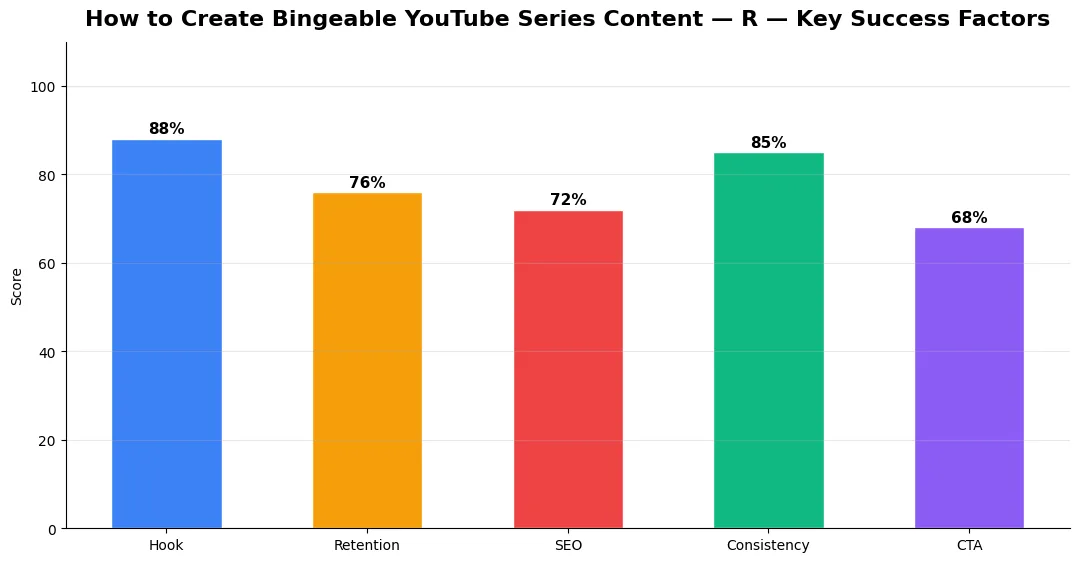
Define the promise of your bingeable YouTube series content
Every strong series answers three questions in the first episode: who it is for, what transformation or outcome they get, and why episode two exists. Name seasons or parts in titles and thumbnails so order is obvious. Link the hub every YouTube content format explained in descriptions when you compare series to standalone tutorials or vlogs. A single sentence premise in your channel trailer reduces confusion for subscribers who land mid-season. Publish a pinned comment or playlist description that says start here so newcomers do not guess which upload is the true beginning.
Structure episodes for retention and autoplay
Open with a micro-preview of the payoff, deliver the core value, then tease the next episode’s question in the final sixty seconds. Use chapters for skimmers but keep emotional through-line continuous. Pair series pacing with guidance from optimal YouTube video length and watch time in 2026 so individual episodes match audience patience while the season still feels substantial. Repeat a subtle motif—music sting, title card, or catchphrase—so the brain recognizes this is the same journey, not a random upload.
Playlists, packaging, and internal linking
Create official series playlists in watch order, match thumbnail motifs across the run, and standardize title patterns (Part 3: Specific Topic). End screens should point to the next logical episode, not a generic homepage. When a series touches short vertical clips, align with how the YouTube Shorts algorithm works in 2026 so teasers funnel viewers without spoiling the long-form payoff. Update the first episode description whenever you add a new season so returning fans see the current canonical order at a glance.
Planning calendars without creative burnout
Batch outline full seasons before you film the middle episodes, so callbacks and foreshadowing stay coherent. Build buffer weeks for re-edits when analytics show a mid-season slump. Refresh older episodes in descriptions when you add a new season so new fans find episode one fast. If a middle chapter underperforms, resist deleting it; instead tighten the title, thumbnail, and first thirty seconds so the narrative bridge still earns its place in the playlist. Share a simple production calendar with your editor or co-host so everyone sees how late one episode ripples through the whole season.
Different series types hook viewers differently; match your structure to the promise you make in episode one.
| Series type | Retention hook | Risk to manage |
|---|---|---|
| Educational course | Clear module outcomes | Repetitive intros |
| Documentary arc | Open mysteries | Slow mid-season pacing |
| Challenge or build log | Visible progress | Uneven episode lengths |
| Story or roleplay | Cliffhangers | Confusing entry points |
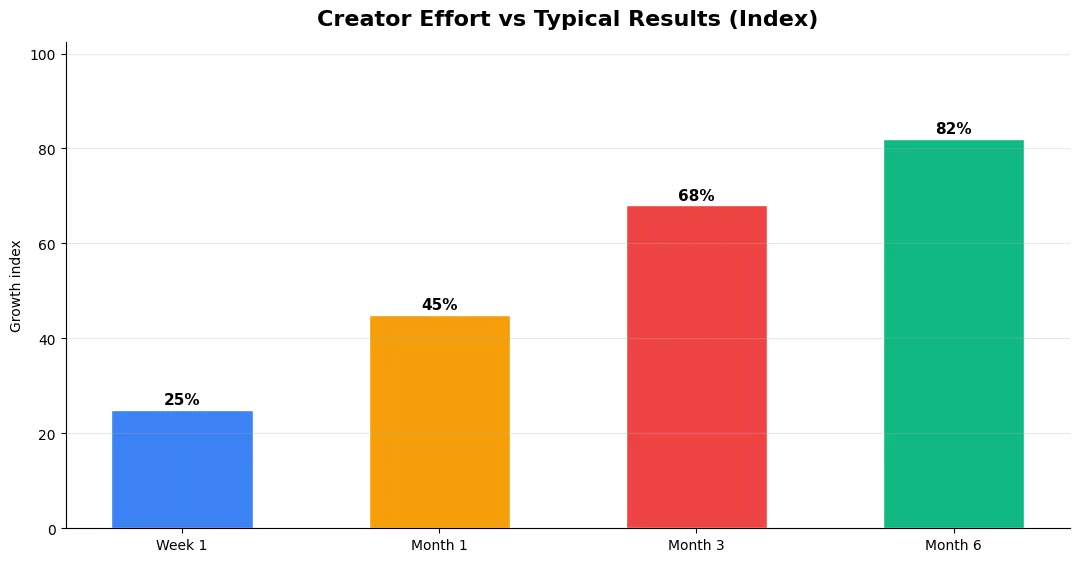
Step-by-Step Workflow for 2026
Start by defining one clear outcome for every piece of content you publish. Map the viewer journey from the first frame to the subscribe or click action, and remove any step that does not move that journey forward. Batch your research, scripting, and B-roll capture so you are not context-switching between creative and administrative tasks every day.
Use a simple checklist before upload: title clarity, thumbnail readability on mobile, hook strength in the first three seconds, captions accuracy, and end-screen placement. Creators who treat upload as a quality gate—not a rush job—see compounding gains in retention and discovery over 2026.
Tools and Resources That Save Time
Invest in lightweight tools that reduce friction: a caption workflow, a thumbnail template system, and a title/description helper so metadata stays consistent. The YT Title Description Generator app helps you draft SEO-friendly titles and descriptions quickly when you batch-upload multiple videos.
Keep a swipe file of hooks, titles, and thumbnails that performed well in your niche—not to copy, but to analyze patterns. Pair that with YouTube Studio analytics and one external keyword or trend tool so creative decisions stay grounded in data.
Advanced Tips for Competitive Niches
In saturated niches, specificity wins. Narrow your positioning until you can describe your ideal viewer in one sentence, then speak directly to that person in every title and hook. Collaborate with adjacent creators whose audiences overlap but are not identical—this expands reach without diluting brand identity.
Repurpose top performers into Shorts, community posts, and newsletter snippets to extract more value from proven ideas. Update evergreen videos when platforms change features; refreshed metadata and a pinned comment with the latest link can revive older assets.
Measuring Success — Metrics That Matter
Track average view duration and audience retention before raw view count. Rising retention tells you the content matches the promise of your title and thumbnail; falling retention signals a hook or pacing problem. Monitor click-through rate separately—high CTR with low retention usually means the packaging oversold the video.
For growth channels, watch subscriber conversion per thousand views and returning viewer percentage. For monetized channels, revenue per mille and watch time from high-value geographies matter more than viral spikes from low-monetization regions. Set monthly targets for two metrics only; too many KPIs dilute focus.
| Level | Strategy | Typical outcome |
|---|---|---|
| Beginner approach | Copy trends blindly | Low retention, no brand |
| Structured approach | Test hooks + analyze data | Steady growth |
| Pro approach | Series + community loop | Higher LTV audience |
What makes YouTube series content bingeable?
Clear serial promise, strong episode-to-episode hooks, ordered playlists, consistent packaging, and predictable publishing so viewers trust the next click.
How many episodes should a first season have?
Enough to prove the concept—often six to ten—for newer channels; longer runs work when production and analytics justify the commitment.
Should bingeable YouTube series content use cliffhangers every time?
Not every episode needs a dramatic cliffhanger; alternate open loops with satisfying mini-payoffs so the audience feels progress while still wanting the next part.
Do Shorts help a long-form series?
Yes, when clips tease a specific question answered in the next long video and titles make the watch order obvious.
How do I recover if viewers join mid-series?
Add a ten-second recap card, link episode one in the first line of the description, and speak one sentence of context after your cold open.
Final Verdict — How To Create Bingeable Youtube in 2026
Success with how to create bingeable youtube comes from clarity, consistency, and honest delivery on every title and thumbnail promise. Use the step-by-step workflow, avoid the common mistakes above, and measure retention before chasing viral spikes. Small weekly improvements compound into channel growth that lasts beyond a single trending moment.
Also Read: