Creators still ask whether reaction videos YouTube 2026 audiences want are worth the effort given saturation and policy sensitivity. The honest answer: they can work when your commentary adds education, context, or personality beyond silent watching—but they face copyright scrutiny and niche-dependent RPM. This article weighs algorithm fit, originality, risk, and when to pivot toward transformative formats. Use the lens of sustainability, not just spikes, before you build a whole channel on reacting alone.
This guide covers reaction videos in 2026 are in plain language for creators in India, the US, the UK, and global audiences. Whether you are starting out or refining a channel that already earns views, the frameworks below help you work smarter—not just post more often. Read through the charts and comparison table, then apply one change per week so improvements stick.
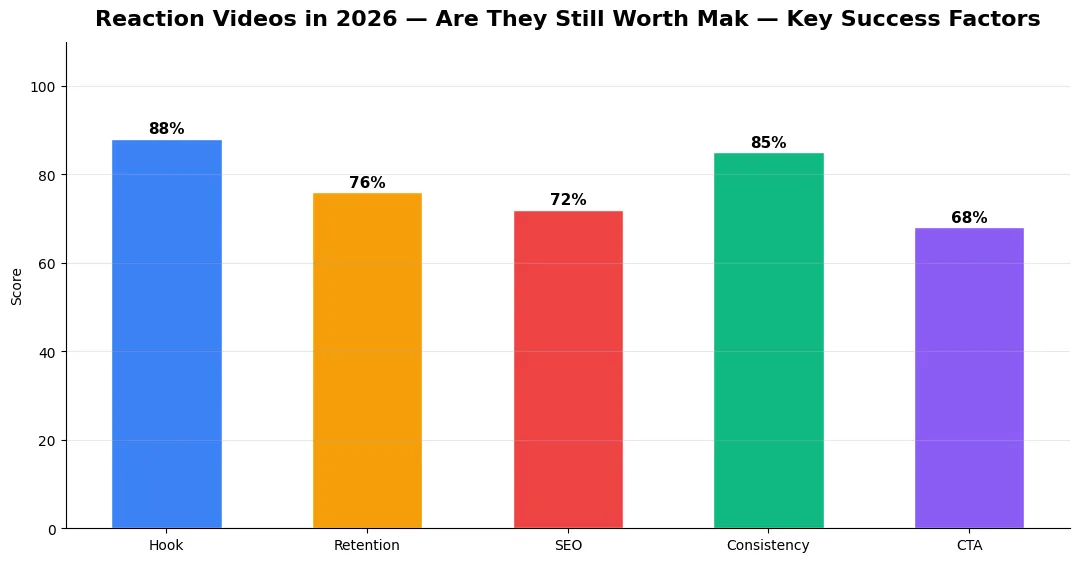
Reaction videos on YouTube in 2026: what still performs
Clips tied to trending topics can spike views quickly, but sustainable channels layer analysis, humor, or expertise so the video stands alone if the source is muted. Niche reactions—games, tech demos, educational media—often retain better than generic trend chasing. Match episode length to how much commentary you truly add; thin padding hurts retention even when the source is hot. Pair reaction strategy with the format map in every YouTube content format explained so your channel identity stays coherent. Benchmark your average percentage viewed against non-reaction uploads in the same niche; if reactions lag, tighten scripting and cut passive watching.
Copyright, fair use, and monetization reality
Claims and blocks are routine when source footage is long or central. Shorter excerpts, pause-and-talk structure, and original framing reduce—but do not eliminate—risk. Monetization may be limited on heavily claimed content; review YouTube monetization for creators in 2026 and music policies if you react to songs. When in doubt, seek licenses or use royalty-safe tracks for your own B-roll and bridges. Document your editorial intent in the script so you can explain how the source served commentary if disputes arise.
Standing out when the format is crowded
Strong thumbnails that show your face and the subject clearly still drive clicks; test titles that promise a specific angle (first-time watch, expert breakdown, cultural comparison). Script beats so dead air does not kill retention. If Shorts are part of your funnel, learn strategies to grow with YouTube Shorts in 2026 using reaction-adjacent clips that tease full commentary. Consider a recurring segment name so subscribers recognize your analytical angle even when the source material changes weekly.
When to skip reactions and pivot
If most watch time sits on third-party footage and claims eat revenue, shift toward licensed collaborations, original challenges, or hosted discussion formats. Reactions work best as one pillar, not the entire brand, unless you have legal clarity and a differentiated voice viewers cannot get elsewhere. Track which topics attract subscribers versus one-time viewers; subscriber lift is a healthier signal than a hollow viral spike you cannot repeat. Schedule a quarterly format review so you are not emotionally attached to a reaction template that stopped converting six months ago.
Weigh the trade-offs before you commit production time; reactions can accelerate learning even when they are not the endgame format.
| Factor | Pro reaction | Con reaction |
|---|---|---|
| Discovery | Trend tie-ins | Competitive SERPs |
| Production speed | Can be faster | Editing around claims |
| Legal | Transformative potential | Strikes and blocks |
| Brand | Personality-forward | Hard to own IP |
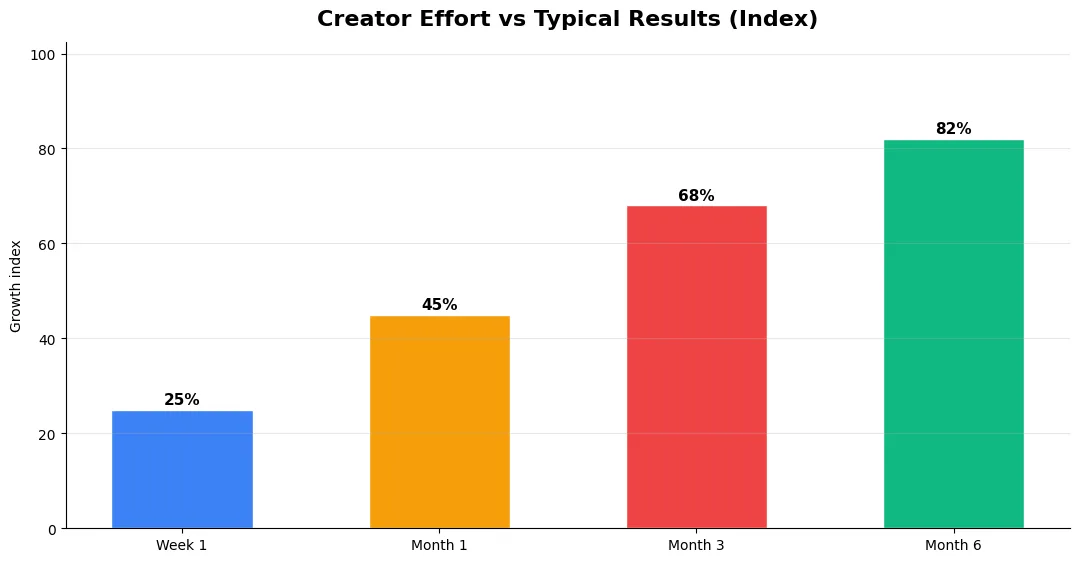
Advanced Tips for Competitive Niches
In saturated niches, specificity wins. Narrow your positioning until you can describe your ideal viewer in one sentence, then speak directly to that person in every title and hook. Collaborate with adjacent creators whose audiences overlap but are not identical—this expands reach without diluting brand identity.
Repurpose top performers into Shorts, community posts, and newsletter snippets to extract more value from proven ideas. Update evergreen videos when platforms change features; refreshed metadata and a pinned comment with the latest link can revive older assets.
Measuring Success — Metrics That Matter
Track average view duration and audience retention before raw view count. Rising retention tells you the content matches the promise of your title and thumbnail; falling retention signals a hook or pacing problem. Monitor click-through rate separately—high CTR with low retention usually means the packaging oversold the video.
For growth channels, watch subscriber conversion per thousand views and returning viewer percentage. For monetized channels, revenue per mille and watch time from high-value geographies matter more than viral spikes from low-monetization regions. Set monthly targets for two metrics only; too many KPIs dilute focus.
Step-by-Step Workflow for 2026
Start by defining one clear outcome for every piece of content you publish. Map the viewer journey from the first frame to the subscribe or click action, and remove any step that does not move that journey forward. Batch your research, scripting, and B-roll capture so you are not context-switching between creative and administrative tasks every day.
Use a simple checklist before upload: title clarity, thumbnail readability on mobile, hook strength in the first three seconds, captions accuracy, and end-screen placement. Creators who treat upload as a quality gate—not a rush job—see compounding gains in retention and discovery over 2026.
Common Mistakes to Avoid in 2026
The fastest way to stall growth is copying trends without adapting them to your niche voice. Another frequent error is optimizing only for views while ignoring audience fit, which inflates vanity metrics but hurts monetization and brand deals later. Avoid posting on inconsistent schedules; algorithms and audiences both reward predictable cadence.
Do not neglect analytics review. Spend thirty minutes weekly on retention curves, traffic sources, and click-through rate on thumbnails. Small iterative fixes—tighter hooks, clearer titles, better pacing—often outperform chasing entirely new formats every week.
| Level | Strategy | Typical outcome |
|---|---|---|
| Beginner approach | Copy trends blindly | Low retention, no brand |
| Structured approach | Test hooks + analyze data | Steady growth |
| Pro approach | Series + community loop | Higher LTV audience |
Are reaction videos on YouTube worth it in 2026?
They can be if you add clear commentary, use minimal necessary source footage, and accept monetization uncertainty; they are weaker as silent or minimal-value reuploads.
How long can reaction clips be under typical practice?
There is no universal safe length; shorter excerpts with analysis between segments generally reduce claim risk compared to long uninterrupted plays.
Do reaction videos hurt channel monetization?
Heavy third-party content can trigger limited or no ads; diversify with original formats to stabilize Partner Program income.
What replaces pure reaction for growth?
Hosted reviews, breakdowns with original graphics, collabs, and series that build proprietary arcs while keeping your on-camera style.
Are reaction videos bad for the YouTube algorithm in 2026?
The algorithm broadly rewards satisfaction and policy-safe content; weak retention or repeated claims hurts distribution more than the reaction label itself.
Final Verdict — Reaction Videos In 2026 Are in 2026
Success with reaction videos in 2026 are comes from clarity, consistency, and honest delivery on every title and thumbnail promise. Use the step-by-step workflow, avoid the common mistakes above, and measure retention before chasing viral spikes. Small weekly improvements compound into channel growth that lasts beyond a single trending moment.
Also Read: