YouTube documentary style videos blend journalism, narrative pacing, and cinematic craft to keep viewers invested in real stories. Whether you profile people, explain systems, or investigate a question, success comes from research discipline, ethical clarity, and editing that respects attention. This guide covers story architecture, verification habits, and production choices that make indie docs feel premium without Hollywood budgets. The bar for trust is high; clarity and restraint often outperform sensational hooks in the long run.
This guide covers youtube documentary style videos how in plain language for creators in India, the US, the UK, and global audiences. Whether you are starting out or refining a channel that already earns views, the frameworks below help you work smarter—not just post more often. Read through the charts and comparison table, then apply one change per week so improvements stick.
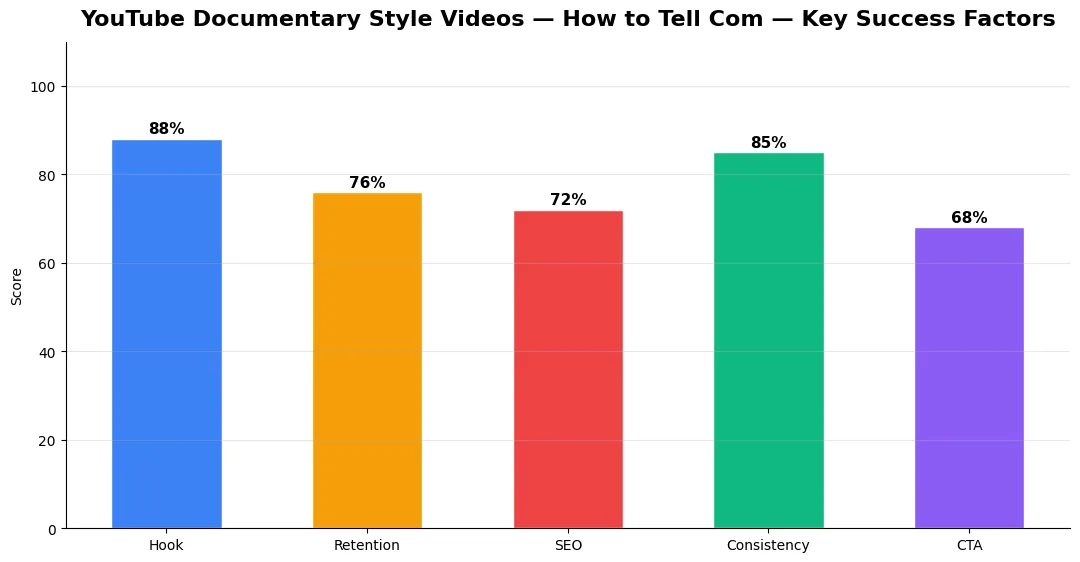
Find a question worth following for YouTube documentary style videos
Start with a concrete question or tension, not a vague topic. Map act one (context), act two (complications), and act three (resolution or honest open end). Primary sources—interviews, documents, field footage—beat pure narration slides. For scripting support without replacing your voice, see ChatGPT for YouTube video scripts: creator guide as an outline aid only. Anchor your place in the ecosystem via every YouTube content format explained. Draft a one-page treatment before you shoot so collaborators share the same ethical boundaries and story scope.
Research, ethics, and legal hygiene
Fact-check claims, attribute contested points, and obtain releases for identifiable people and locations when required. Music and archival clips need proper clearance; royalty-safe score beds help while you source bespoke tracks. If your doc references revenue or industry shifts, verify dates and policy details against current official announcements so examples do not age poorly. When subjects push back on framing, prioritize accuracy updates over winning an argument on camera. Keep a dated research log with links you relied on so corrections are traceable if a source updates later.
Visual language and pacing on a creator budget
Use B-roll that advances meaning, not filler—textures, environments, and process shots that illustrate your script beats. Controlled interviews with consistent eyelines read more professional than chaotic handheld unless style demands it. Pace with J-cuts, L-cuts, and strategic silence so information breathes; chapter markers help long investigations without breaking immersion. On a tight budget, invest time in sound design: room tone, subtle whooshes, and clean dialogue edits lift perceived production value faster than new lenses.
Distribution and retention for long-form stories
Front-load stakes while promising depth so curious viewers stay past the hook. Pair full documentaries with Shorts that isolate one surprising fact, linking back to the full piece. Compare packaging tactics with how to increase YouTube CTR with better thumbnails in 2026 so your serious topic still wins the browse click fairly. Add a methods or sources section in the description for skeptical viewers; transparency often improves comment quality and shareability. Note the intended audience in the first lines of the description so casual browsers know whether the piece is entry-level or expert-deep.
Each story beat should give the audience a job—curiosity, empathy, or judgment—so the table below stays visible in your edit timeline.
| Story element | Viewer job | Creator tactic |
|---|---|---|
| Cold open | Understand stakes fast | Lead with conflict or mystery |
| Characters | Care about someone | Human-scale goals and obstacles |
| Evidence | Trust the narrative | Show sources on screen |
| Payoff | Feel time was well spent | Answer the opening question or justify the open end |
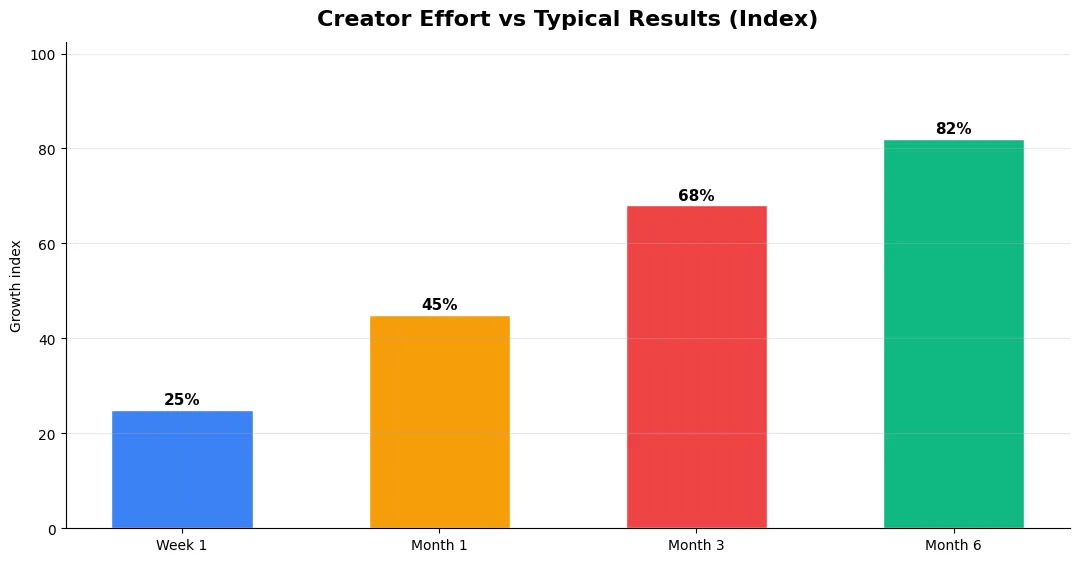
Advanced Tips for Competitive Niches
In saturated niches, specificity wins. Narrow your positioning until you can describe your ideal viewer in one sentence, then speak directly to that person in every title and hook. Collaborate with adjacent creators whose audiences overlap but are not identical—this expands reach without diluting brand identity.
Repurpose top performers into Shorts, community posts, and newsletter snippets to extract more value from proven ideas. Update evergreen videos when platforms change features; refreshed metadata and a pinned comment with the latest link can revive older assets.
Step-by-Step Workflow for 2026
Start by defining one clear outcome for every piece of content you publish. Map the viewer journey from the first frame to the subscribe or click action, and remove any step that does not move that journey forward. Batch your research, scripting, and B-roll capture so you are not context-switching between creative and administrative tasks every day.
Use a simple checklist before upload: title clarity, thumbnail readability on mobile, hook strength in the first three seconds, captions accuracy, and end-screen placement. Creators who treat upload as a quality gate—not a rush job—see compounding gains in retention and discovery over 2026.
Measuring Success — Metrics That Matter
Track average view duration and audience retention before raw view count. Rising retention tells you the content matches the promise of your title and thumbnail; falling retention signals a hook or pacing problem. Monitor click-through rate separately—high CTR with low retention usually means the packaging oversold the video.
For growth channels, watch subscriber conversion per thousand views and returning viewer percentage. For monetized channels, revenue per mille and watch time from high-value geographies matter more than viral spikes from low-monetization regions. Set monthly targets for two metrics only; too many KPIs dilute focus.
Common Mistakes to Avoid in 2026
The fastest way to stall growth is copying trends without adapting them to your niche voice. Another frequent error is optimizing only for views while ignoring audience fit, which inflates vanity metrics but hurts monetization and brand deals later. Avoid posting on inconsistent schedules; algorithms and audiences both reward predictable cadence.
Do not neglect analytics review. Spend thirty minutes weekly on retention curves, traffic sources, and click-through rate on thumbnails. Small iterative fixes—tighter hooks, clearer titles, better pacing—often outperform chasing entirely new formats every week.
| Level | Strategy | Typical outcome |
|---|---|---|
| Beginner approach | Copy trends blindly | Low retention, no brand |
| Structured approach | Test hooks + analyze data | Steady growth |
| Pro approach | Series + community loop | Higher LTV audience |
What defines YouTube documentary style videos?
They are long-form or mid-form narratives built around real events or people, using interviews, vérité footage, graphics, and structured acts to explore a central question.
How long should a YouTube documentary be?
Let the story dictate length—often fifteen to forty-five minutes for indie pieces—while monitoring audience retention curves to trim repetition.
Do I need a film crew for documentary style content?
No; many successful docs use a small team or solo creator with a solid mic, camera or phone, tripod, and disciplined sound recording.
How do I avoid misinformation in documentary videos?
Verify with multiple sources, show uncertainty where facts conflict, correct errors in pinned comments or follow-up videos, and separate opinion from evidence.
Can YouTube documentary style videos work for small channels?
Yes; narrow questions and local angles compete on relevance rather than budget, especially when you show process, receipts, and human stakes clearly.
Final Verdict — Youtube Documentary Style Videos How in 2026
Success with youtube documentary style videos how comes from clarity, consistency, and honest delivery on every title and thumbnail promise. Use the step-by-step workflow, avoid the common mistakes above, and measure retention before chasing viral spikes. Small weekly improvements compound into channel growth that lasts beyond a single trending moment.
Also Read: