Your thumbnail is the single most important factor determining whether someone clicks on your video. YouTube’s own data shows that 90% of best-performing videos use custom thumbnails, and in 2026 the competition for attention is fiercer than ever. A great thumbnail paired with a compelling title can double or triple your click-through rate overnight. This guide covers proven thumbnail design principles, A/B testing strategies, and CTR optimization techniques that help your videos stand out in crowded feeds and search results.
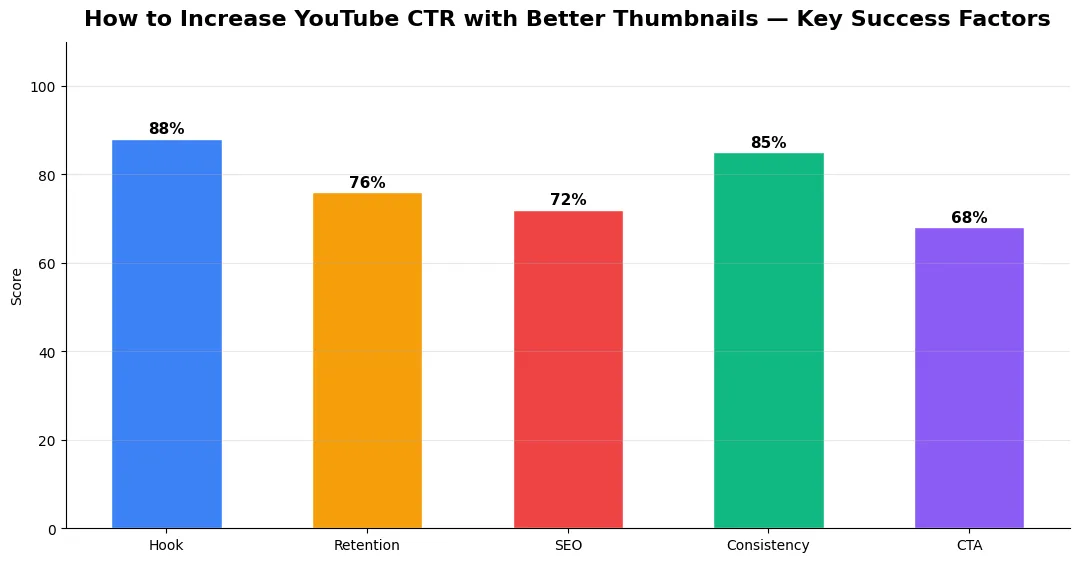
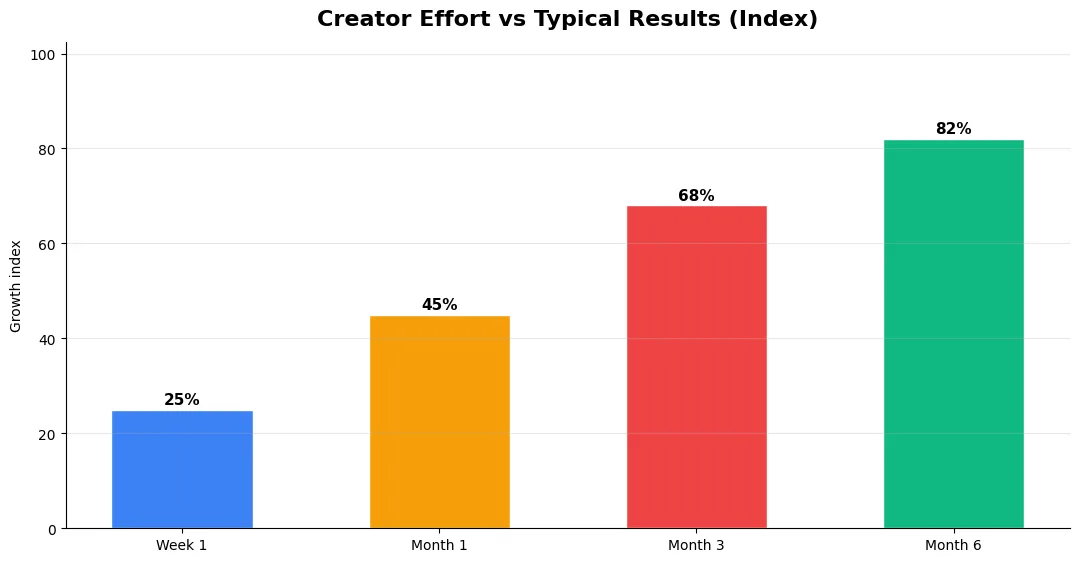
This guide covers how to increase youtube ctr in plain language for creators in India, the US, the UK, and global audiences. Whether you are starting out or refining a channel that already earns views, the frameworks below help you work smarter—not just post more often. Read through the charts and comparison table, then apply one change per week so improvements stick.
Why CTR Is a Critical Ranking Signal
Click-through rate measures the percentage of people who click your video after seeing it. YouTube uses CTR as a key signal when deciding which videos to promote — a higher CTR tells the algorithm your video is relevant and appealing. However, CTR works in tandem with retention: high CTR with poor watch time suggests clickbait, which gets penalized. The 2026 watch page redesign changed how thumbnails display across devices, with larger preview frames on mobile and animated hover previews on desktop. A healthy CTR varies by niche, but most successful channels aim for 5–10% from browse features and 8–15% from search.
Thumbnail Design Principles That Drive Clicks
Use high contrast and bold colors that pop against YouTube’s white and dark mode backgrounds. Limit text to three to five words in a large, readable font — viewers see thumbnails as small as 120 pixels wide on mobile. Include a human face showing genuine emotion whenever possible, as faces naturally draw the eye. Create a visual gap between thumbnail and title — your image should add context the title cannot. Avoid clutter; the most clickable thumbnails use a single focal point. Use free thumbnail generator tools for professional designs, and pair them with optimized titles crafted through the YT Title Description Generator app to ensure your title and thumbnail work as a cohesive package.
Thumbnail Styles and Average CTR Performance
| Thumbnail Style | Average CTR | Best For | Key Tip |
|---|---|---|---|
| Face + emotion + bold text | 7–12% | Vlogs, commentary, reactions | Exaggerate expression slightly |
| Before/after comparison | 8–14% | Tutorials, transformations | Show dramatic contrast |
| Curiosity gap (blurred element) | 9–15% | Reveals, experiments | Don’t give away the answer |
| Clean product showcase | 5–8% | Tech reviews, unboxings | Studio lighting, minimal background |
| Screenshot / screen preview | 3–6% | Software tutorials, gaming | Add annotations, zoom effects |
| Text-heavy graphic | 4–7% | Lists, news updates | Under 5 words, use brand colors |
A/B Testing Thumbnails for Maximum CTR
YouTube’s native “Test & Compare” feature is now available to all channels in 2026. Upload up to three thumbnail variants for a single video, and YouTube automatically serves each to a portion of your audience over 14 days. The winner is selected based on watch time share rather than raw CTR alone, ensuring the winning thumbnail attracts committed viewers. To run effective tests, change only one variable at a time: test different expressions, swap background colors, or try text versus no text. Track your engaged views data alongside CTR to understand which thumbnails bring viewers who actually stay.
Quick Wins to Boost Your CTR Today
Start by auditing your lowest-CTR videos and redesigning their thumbnails. Use YouTube Studio’s impressions data to identify underperformers — any video with below-average CTR is a candidate. Apply the design principles above and monitor performance over the following week. Study the algorithm’s content sequencing patterns to understand when your videos appear in suggested feeds, then optimize thumbnails for those contexts. Consistency in branding elements like color palettes and fonts helps returning viewers recognize your content instantly, increasing click rates from the home feed.
Common Mistakes to Avoid in 2026
The fastest way to stall growth is copying trends without adapting them to your niche voice. Another frequent error is optimizing only for views while ignoring audience fit, which inflates vanity metrics but hurts monetization and brand deals later. Avoid posting on inconsistent schedules; algorithms and audiences both reward predictable cadence.
Do not neglect analytics review. Spend thirty minutes weekly on retention curves, traffic sources, and click-through rate on thumbnails. Small iterative fixes—tighter hooks, clearer titles, better pacing—often outperform chasing entirely new formats every week.
Advanced Tips for Competitive Niches
In saturated niches, specificity wins. Narrow your positioning until you can describe your ideal viewer in one sentence, then speak directly to that person in every title and hook. Collaborate with adjacent creators whose audiences overlap but are not identical—this expands reach without diluting brand identity.
Repurpose top performers into Shorts, community posts, and newsletter snippets to extract more value from proven ideas. Update evergreen videos when platforms change features; refreshed metadata and a pinned comment with the latest link can revive older assets.
Step-by-Step Workflow for 2026
Start by defining one clear outcome for every piece of content you publish. Map the viewer journey from the first frame to the subscribe or click action, and remove any step that does not move that journey forward. Batch your research, scripting, and B-roll capture so you are not context-switching between creative and administrative tasks every day.
Use a simple checklist before upload: title clarity, thumbnail readability on mobile, hook strength in the first three seconds, captions accuracy, and end-screen placement. Creators who treat upload as a quality gate—not a rush job—see compounding gains in retention and discovery over 2026.
Measuring Success — Metrics That Matter
Track average view duration and audience retention before raw view count. Rising retention tells you the content matches the promise of your title and thumbnail; falling retention signals a hook or pacing problem. Monitor click-through rate separately—high CTR with low retention usually means the packaging oversold the video.
For growth channels, watch subscriber conversion per thousand views and returning viewer percentage. For monetized channels, revenue per mille and watch time from high-value geographies matter more than viral spikes from low-monetization regions. Set monthly targets for two metrics only; too many KPIs dilute focus.
| Level | Strategy | Typical outcome |
|---|---|---|
| Beginner approach | Copy trends blindly | Low retention, no brand |
| Structured approach | Test hooks + analyze data | Steady growth |
| Pro approach | Series + community loop | Higher LTV audience |
What is a good click-through rate on YouTube in 2026?
How often should I change my video thumbnails?
Does thumbnail resolution affect YouTube CTR?
Should I include text on my YouTube thumbnails?
Final Verdict — How To Increase Youtube Ctr in 2026
Success with how to increase youtube ctr comes from clarity, consistency, and honest delivery on every title and thumbnail promise. Use the step-by-step workflow, avoid the common mistakes above, and measure retention before chasing viral spikes. Small weekly improvements compound into channel growth that lasts beyond a single trending moment.
Also Read: