YouTube SEO is the difference between a video that gets 500 views and one that gets 500,000. In 2026, with over 800 hours of video uploaded every minute, getting discovered requires more than just good content — it requires strategic optimization of every element that influences how YouTube ranks and recommends your videos. This complete YouTube SEO guide covers titles, descriptions, tags, thumbnails, watch time signals, and the new algorithm factors that matter most right now.
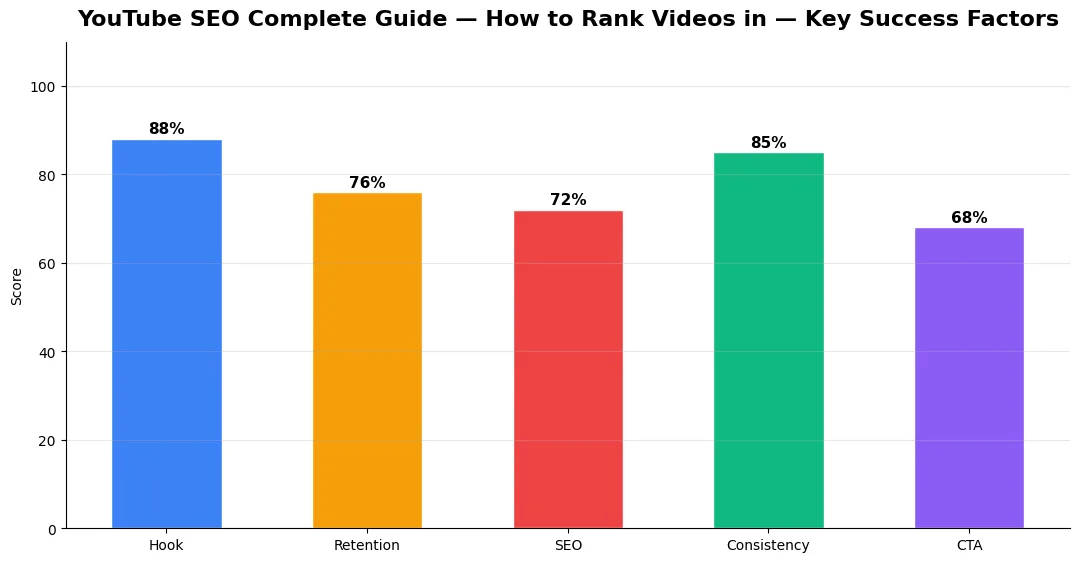
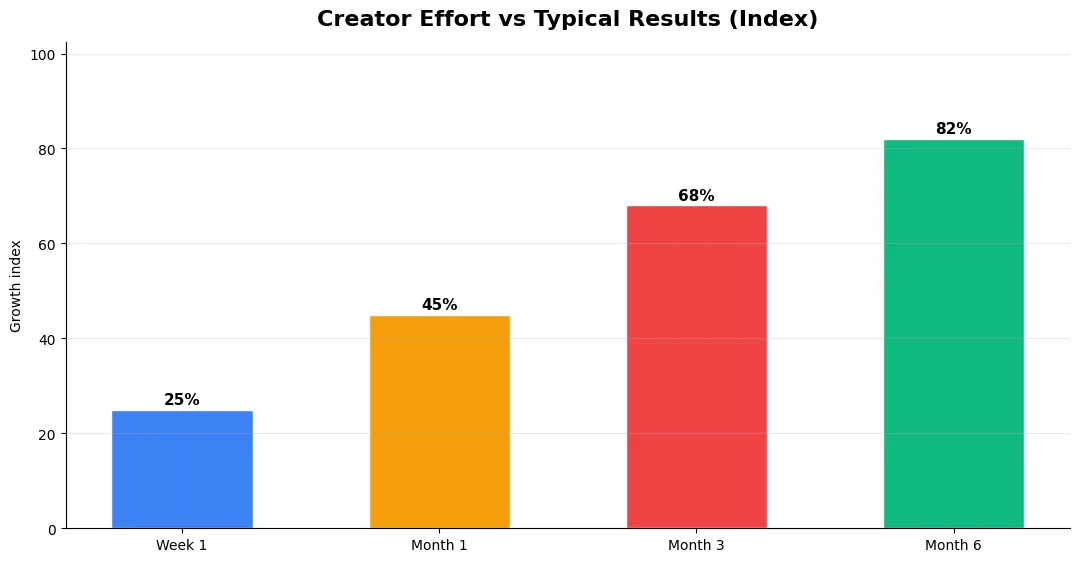
This guide covers youtube seo complete guide how in plain language for creators in India, the US, the UK, and global audiences. Whether you are starting out or refining a channel that already earns views, the frameworks below help you work smarter—not just post more often. Read through the charts and comparison table, then apply one change per week so improvements stick.
How YouTube Search and Discovery Works in 2026
YouTube uses two primary systems to surface content: Search (viewers actively looking for something) and Discovery (YouTube recommending content on the homepage, Shorts feed, and suggested videos). For Search, YouTube matches your video’s metadata — title, description, tags, captions — against the viewer’s query. For Discovery, it analyzes engagement signals: click-through rate (CTR), average view duration, session time, and the new content sequencing momentum factor.
The 2026 algorithm weighs these signals differently than before. CTR and watch time remain critical, but “engaged views” — a new metric tracking active watching versus background play — now carries significant weight. Videos that generate comments, shares, and return visits score higher than those with passive view counts.
YouTube Title Optimization for SEO
Your title is the single biggest lever for both Search ranking and CTR. The rules are straightforward: front-load your primary keyword within the first 40 characters (mobile truncates after that), keep total length to 60-80 characters, use numbers when possible (“7 Tips” beats “Tips”), and create a curiosity gap without resorting to clickbait. Tools like the YT Title Description Generator can produce optimized titles instantly from a topic input, saving hours of manual brainstorming.
Avoid all-caps and excessive punctuation — YouTube’s algorithm can deprioritize spammy-looking titles. Match search intent exactly: if people search “how to edit videos on iPhone,” your title should lead with those exact words, not a clever rewording that obscures the topic.
YouTube Description SEO Strategy
Descriptions are severely underutilized by most creators. YouTube scans your description text to understand what your video covers and match it against search queries. A well-optimized description can rank your video for dozens of related searches beyond your title keyword.
Structure your description like this: first 2-3 lines should contain your primary keyword and a compelling hook (this appears in search results). Follow with a 150-250 word summary of the video’s content, naturally incorporating 3-5 related keywords. Add timestamps/chapters, relevant links, and a call-to-action. Never leave descriptions blank or paste the same template across videos. Use AI tools like YT Title Description Generator to create unique, keyword-rich descriptions for every upload.
Thumbnail Optimization for Higher CTR
Thumbnails directly control your CTR — the metric that determines whether YouTube shows your video to more people. The winning formula in 2026: high contrast, minimal text (3-5 words max), expressive human faces when possible, and a visual that creates curiosity. Test multiple thumbnails using YouTube’s built-in A/B testing feature (rolled out to all channels in 2026).
Consistency matters too. Use a recognizable visual style so returning viewers can identify your videos instantly in their feed. The thumbnail-title combo should work together — the thumbnail provides the visual hook, the title provides the context. Neither should work alone.
YouTube SEO Ranking Factors Comparison
| Ranking Factor | Weight in 2024 | Weight in 2026 | How to Optimize |
|---|---|---|---|
| Click-Through Rate (CTR) | High | Very High | Optimized titles + thumbnails |
| Watch Time | Very High | High | Engaging content + good pacing |
| Engaged Views | N/A (new) | High | Encourage comments, shares |
| Content Sequencing | N/A (new) | Medium-High | Chain Shorts + long-form + Community |
| Description Keywords | Medium | Medium | 250-word keyword-rich descriptions |
| Tags | Low-Medium | Low | Include primary + related keywords |
| Chapters/Timestamps | Low | Medium | Add 5-10 chapter markers |
| Captions/Subtitles | Low | Medium | Add accurate captions for accessibility |
Watch Time and Retention Optimization
High search rankings mean nothing if viewers click away in 10 seconds. YouTube heavily weights average view duration relative to video length. A 10-minute video with 60% retention (6 minutes average) outranks a 30-minute video with 20% retention (also 6 minutes) because the retention percentage signals higher content quality. Hook viewers in the first 15 seconds with a clear promise of value. Use pattern interrupts (camera angle changes, B-roll, graphics) every 30-60 seconds to maintain attention. For small channels trying to grow, 8-12 minute videos with strong retention tend to perform best in search.
Final Verdict
YouTube SEO in 2026 rewards creators who obsess over their metadata, optimize for engaged views (not just passive watch time), and build strategic content sequences. Start with the highest-impact optimizations: nail your titles with keyword research, write unique descriptions for every video, and A/B test thumbnails. Layer in content sequencing and Community engagement as you build momentum. The creators who treat every upload as an SEO opportunity will consistently outperform those who wing it.
Tools and Resources That Save Time
Invest in lightweight tools that reduce friction: a caption workflow, a thumbnail template system, and a title/description helper so metadata stays consistent. The YT Title Description Generator app helps you draft SEO-friendly titles and descriptions quickly when you batch-upload multiple videos.
Keep a swipe file of hooks, titles, and thumbnails that performed well in your niche—not to copy, but to analyze patterns. Pair that with YouTube Studio analytics and one external keyword or trend tool so creative decisions stay grounded in data.
Step-by-Step Workflow for 2026
Start by defining one clear outcome for every piece of content you publish. Map the viewer journey from the first frame to the subscribe or click action, and remove any step that does not move that journey forward. Batch your research, scripting, and B-roll capture so you are not context-switching between creative and administrative tasks every day.
Use a simple checklist before upload: title clarity, thumbnail readability on mobile, hook strength in the first three seconds, captions accuracy, and end-screen placement. Creators who treat upload as a quality gate—not a rush job—see compounding gains in retention and discovery over 2026.
Common Mistakes to Avoid in 2026
The fastest way to stall growth is copying trends without adapting them to your niche voice. Another frequent error is optimizing only for views while ignoring audience fit, which inflates vanity metrics but hurts monetization and brand deals later. Avoid posting on inconsistent schedules; algorithms and audiences both reward predictable cadence.
Do not neglect analytics review. Spend thirty minutes weekly on retention curves, traffic sources, and click-through rate on thumbnails. Small iterative fixes—tighter hooks, clearer titles, better pacing—often outperform chasing entirely new formats every week.
Advanced Tips for Competitive Niches
In saturated niches, specificity wins. Narrow your positioning until you can describe your ideal viewer in one sentence, then speak directly to that person in every title and hook. Collaborate with adjacent creators whose audiences overlap but are not identical—this expands reach without diluting brand identity.
Repurpose top performers into Shorts, community posts, and newsletter snippets to extract more value from proven ideas. Update evergreen videos when platforms change features; refreshed metadata and a pinned comment with the latest link can revive older assets.
| Level | Strategy | Typical outcome |
|---|---|---|
| Beginner approach | Copy trends blindly | Low retention, no brand |
| Structured approach | Test hooks + analyze data | Steady growth |
| Pro approach | Series + community loop | Higher LTV audience |
What are the most important YouTube SEO ranking factors in 2026?
How long should a YouTube title be for SEO?
Do YouTube tags still matter for SEO in 2026?
How do I write YouTube descriptions that rank?
What is YouTube’s engaged views metric?
Final Verdict — Youtube Seo Complete Guide How in 2026
Success with youtube seo complete guide how comes from clarity, consistency, and honest delivery on every title and thumbnail promise. Use the step-by-step workflow, avoid the common mistakes above, and measure retention before chasing viral spikes. Small weekly improvements compound into channel growth that lasts beyond a single trending moment.
Also Read: