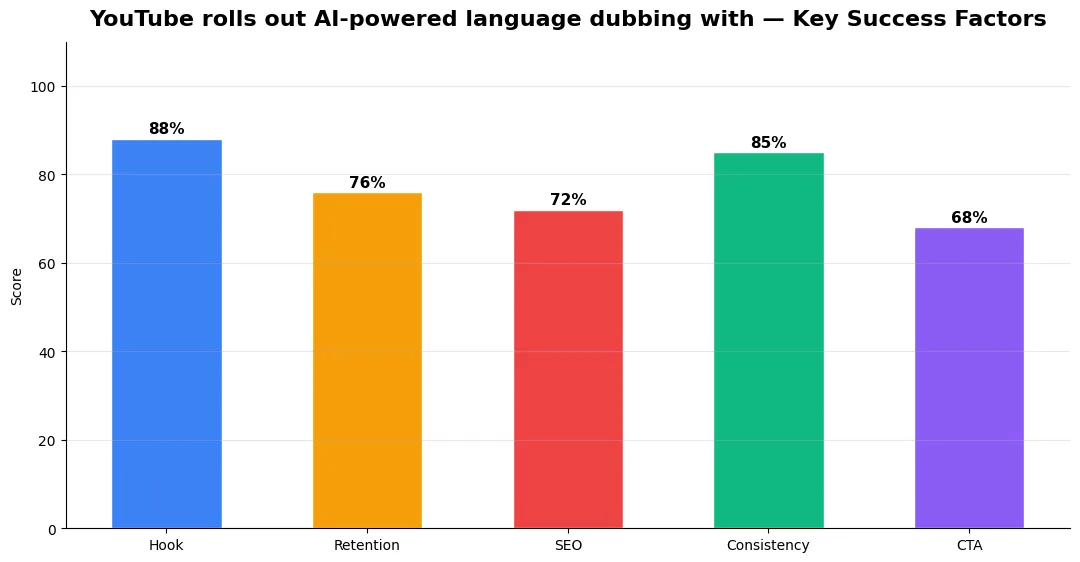
This guide covers youtube rolls out aipowered language in plain language for creators in India, the US, the UK, and global audiences. Whether you are starting out or refining a channel that already earns views, the frameworks below help you work smarter—not just post more often. Read through the charts and comparison table, then apply one change per week so improvements stick.
Written by Rajib Das
YouTube, the world’s biggest video platform, just made a huge leap forward in accessibility and global reach. Imagine your favorite creator suddenly speaking fluent Italian, Spanish, or Japanese – and not just with translated audio, but with perfectly synced lip movements. This isn’t science fiction anymore. YouTube has officially rolled out its AI-powered language dubbing tool, complete with accurate lip-syncing, and it’s a game-changer for creators, especially those looking to break into international markets. This new feature promises to dismantle language barriers and connect content creators with a truly global audience.
Breaking Down the Language Barrier: YouTube’s AI Dubbing
For years, language has been a significant hurdle for content creators hoping to expand their audience. Subtitles were a start, but many viewers prefer the immersive experience of dubbed audio. However, traditional dubbing is expensive, time-consuming, and often lacks the nuance and authenticity of the original voice. This is where YouTube’s AI-powered solution steps in, offering a faster, more affordable, and surprisingly accurate alternative. The key ingredient? Accurate lip-syncing. This feature distinguishes itself from basic translation services, making the translated content much more engaging and professional-looking.
How Does it Work?
YouTube’s AI dubbing leverages advanced machine learning algorithms to analyze the original video and create a translated audio track. But the magic truly happens with the lip-syncing. The AI carefully adjusts the timing and mouth movements of the video to match the translated dialogue. This creates the illusion that the speaker is genuinely speaking the new language, making the viewing experience far more natural and immersive. The process, while technically complex, is designed to be user-friendly for creators.
- Creators upload their videos to YouTube as usual.
- They select the target language(s) for dubbing.
- YouTube’s AI processes the video and generates a translated audio track with lip-syncing.
- The creator can review and approve the dubbed version before publishing.
Why is this a Game Changer for Creators?
The implications of this technology are enormous, especially for content creators.
Expanding Reach and Audience
The most obvious benefit is the ability to reach a significantly larger audience. By dubbing their videos into multiple languages, creators can tap into new markets and connect with viewers who previously couldn’t understand their content. This is particularly crucial for creators who produce educational content, tutorials, or entertainment that appeals to a global audience.
Increased Engagement and Viewership
While subtitles are helpful, many viewers find dubbed audio more engaging and easier to follow. By providing a fully localized experience, creators can increase viewership, watch time, and overall engagement with their content. The seamless lip-syncing enhances this engagement by creating a more immersive and believable experience for the viewer.
Cost-Effective Localization
Traditional dubbing can be a costly and time-consuming process, often requiring professional voice actors, sound engineers, and translators. YouTube’s AI dubbing offers a significantly more affordable and efficient alternative, making it accessible to a wider range of creators, including those with smaller budgets.
Leveling the Playing Field
Smaller creators now have a fighting chance to compete with bigger channels that already have the resources to offer multi-language dubbing. This AI feature essentially democratizes access to global audiences.
Practical Insights for YouTube Creators
So, how can you, as a YouTube creator, take advantage of this new feature?
Identify Your Target Audience
Before diving in, research which languages are most relevant to your content. Look at your existing analytics to see where your viewers are located and which languages they speak. Consider translating into languages spoken in large, underserved markets.
Start with Your Best Performing Content
To maximize the impact of your dubbing efforts, start with your most popular videos. This will ensure that you’re reaching a wider audience with content that has already proven to be engaging.
Review and Refine
While the AI is impressive, it’s not perfect. Always review the dubbed version of your video before publishing to ensure that the translation is accurate and the lip-syncing looks natural. Provide feedback to YouTube so their AI can improve. While YouTube has emphasized the accuracy of the lip sync, it’s crucial to spot-check for any unusual visual artifacts.
Promote Your Dubbed Content
Let your audience know that your videos are now available in multiple languages. Promote your dubbed content on social media and in your video descriptions. Use relevant keywords in the translated titles and descriptions to improve search visibility.
Experiment and Iterate
Don’t be afraid to experiment with different languages and dubbing styles. Monitor your analytics to see which translations are performing well and adjust your strategy accordingly. Provide regular updates on new language options to keep your viewers informed.
The Italian Connection: A Case Study
While YouTube’s AI dubbing supports multiple languages, the inclusion of Italian is particularly noteworthy. Italy has a large and engaged online community, and there’s a significant demand for high-quality localized content. Italian viewers are known for their appreciation of nuanced language and cultural references, making accurate lip-syncing even more crucial. Creators who dub their content into Italian have the potential to tap into a vibrant and receptive audience.
Imagine a cooking channel offering recipes in perfect Italian, or a travel vlogger showcasing the beauty of Italy with accurate Italian narration. The possibilities are endless. This feature has the potential to unlock a whole new world for creators focused on Italian culture, language learning, or simply expanding their reach within Europe.
Looking Ahead: The Future of Content Creation
YouTube’s AI-powered language dubbing is more than just a new feature; it’s a glimpse into the future of content creation. As AI technology continues to evolve, we can expect even more sophisticated localization tools that will make it easier than ever for creators to connect with global audiences. This will not only benefit creators but also enrich the viewing experience for millions of people around the world.
In conclusion, YouTube’s rollout of AI-powered language dubbing with accurate lip-sync, including Italian, represents a major step forward in breaking down language barriers and making content more accessible to a global audience. By embracing this technology, creators can expand their reach, increase engagement, and ultimately achieve greater success on YouTube. So, start exploring this powerful tool and unlock the potential of a truly global audience for your content!
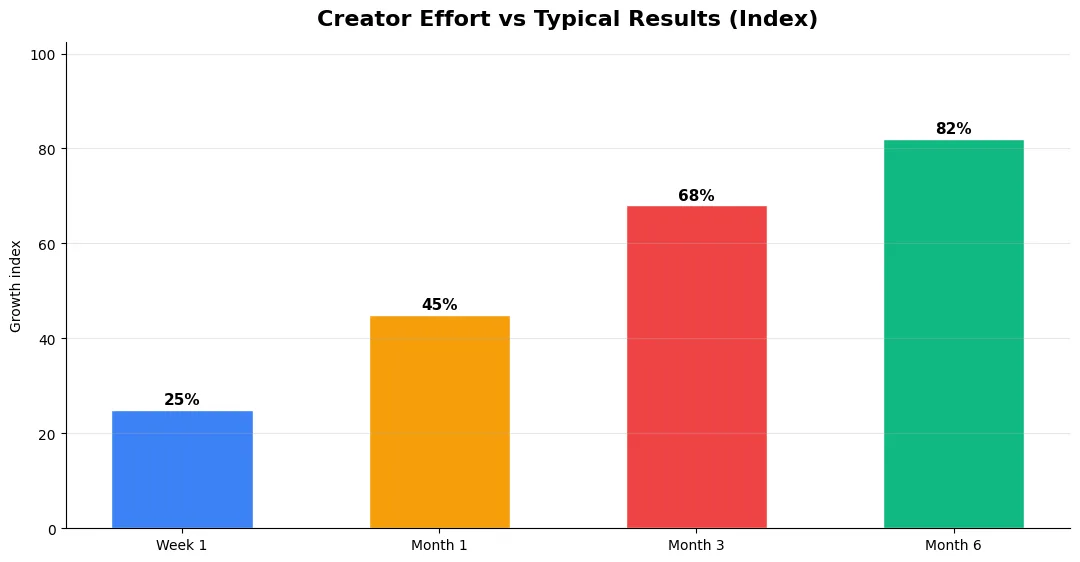
Step-by-Step Workflow for 2026
Start by defining one clear outcome for every piece of content you publish. Map the viewer journey from the first frame to the subscribe or click action, and remove any step that does not move that journey forward. Batch your research, scripting, and B-roll capture so you are not context-switching between creative and administrative tasks every day.
Use a simple checklist before upload: title clarity, thumbnail readability on mobile, hook strength in the first three seconds, captions accuracy, and end-screen placement. Creators who treat upload as a quality gate—not a rush job—see compounding gains in retention and discovery over 2026.
Advanced Tips for Competitive Niches
In saturated niches, specificity wins. Narrow your positioning until you can describe your ideal viewer in one sentence, then speak directly to that person in every title and hook. Collaborate with adjacent creators whose audiences overlap but are not identical—this expands reach without diluting brand identity.
Repurpose top performers into Shorts, community posts, and newsletter snippets to extract more value from proven ideas. Update evergreen videos when platforms change features; refreshed metadata and a pinned comment with the latest link can revive older assets.
Common Mistakes to Avoid in 2026
The fastest way to stall growth is copying trends without adapting them to your niche voice. Another frequent error is optimizing only for views while ignoring audience fit, which inflates vanity metrics but hurts monetization and brand deals later. Avoid posting on inconsistent schedules; algorithms and audiences both reward predictable cadence.
Do not neglect analytics review. Spend thirty minutes weekly on retention curves, traffic sources, and click-through rate on thumbnails. Small iterative fixes—tighter hooks, clearer titles, better pacing—often outperform chasing entirely new formats every week.
Measuring Success — Metrics That Matter
Track average view duration and audience retention before raw view count. Rising retention tells you the content matches the promise of your title and thumbnail; falling retention signals a hook or pacing problem. Monitor click-through rate separately—high CTR with low retention usually means the packaging oversold the video.
For growth channels, watch subscriber conversion per thousand views and returning viewer percentage. For monetized channels, revenue per mille and watch time from high-value geographies matter more than viral spikes from low-monetization regions. Set monthly targets for two metrics only; too many KPIs dilute focus.
| Level | Strategy | Typical outcome |
|---|---|---|
| Beginner approach | Copy trends blindly | Low retention, no brand |
| Structured approach | Test hooks + analyze data | Steady growth |
| Pro approach | Series + community loop | Higher LTV audience |
Final Verdict — Youtube Rolls Out Aipowered Language in 2026
Success with youtube rolls out aipowered language comes from clarity, consistency, and honest delivery on every title and thumbnail promise. Use the step-by-step workflow, avoid the common mistakes above, and measure retention before chasing viral spikes. Small weekly improvements compound into channel growth that lasts beyond a single trending moment.
Also Read:
- YouTube Monetization Guide for Creators in 2026
- How to Go Viral on YouTube Shorts in 2026
- Claude Opus 4.6 vs 4.7 vs 4.8 — AI Tools for Creators
What is YouTube rolls out AI-powered language dubbing with accurate lip sync?
Youtube Rolls Out Ai-Powered Language Dubbing With Accurate Lip Sync covers the key topic explained in this guide — definitions, practical steps, and tips you can apply immediately.
Why does YouTube rolls out AI-powered language dubbing with accurate lip sync matter in 2026?
Platforms and audiences change fast; understanding YouTube rolls out AI-powered language dubbing with accurate lip sync helps you stay competitive, improve results, and avoid common mistakes.
How do I get started with YouTube rolls out AI-powered language dubbing with accurate lip sync?
Start with one clear goal, follow the step-by-step workflow in this article, track one or two metrics weekly, and iterate based on data.
What are common mistakes with YouTube rolls out AI-powered language dubbing with accurate lip sync?
Copying trends without adapting to your niche, skipping analytics review, and inconsistent publishing are the most frequent errors.
Where can I learn more about YouTube rolls out AI-powered language dubbing with accurate lip sync?
Use the Also Read links at the end of this article for related guides on Tech Bichar, and bookmark this page for future reference.