YouTube Shorts viral hook techniques decide whether someone stops scrolling or never registers your frame. In 2026, feeds stay crowded, so the first three seconds must deliver motion, contrast, curiosity, or tension—ideally more than one. Hooks are not tricks; they are honest previews of the payoff viewers will get if they stay. When you align your opening with the strongest moment of the clip and remove every redundant beat after it, retention graphs tend to climb and discovery widens.
This guide covers youtube shorts viral hook techniques in plain language for creators in India, the US, the UK, and global audiences. Whether you are starting out or refining a channel that already earns views, the frameworks below help you work smarter—not just post more often. Read through the charts and comparison table, then apply one change per week so improvements stick.
Pattern Interrupts That Read in a Blink
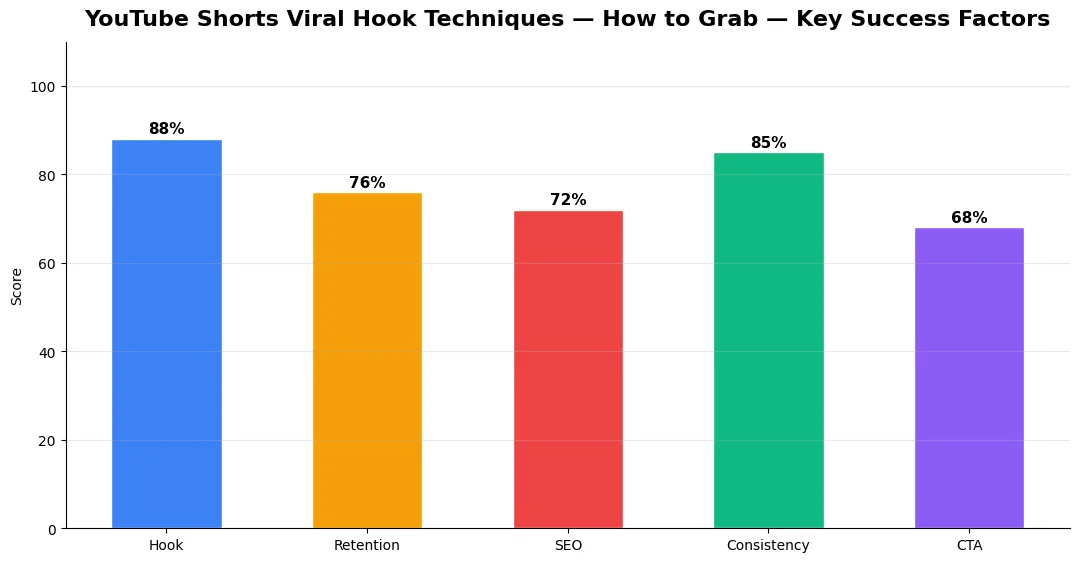
Movement in frame one beats a static talking head for stopping power: a quick gesture, a prop entering shot, or a hard cut to the result. High contrast lighting or color pops help on small screens. On-screen text should be three to seven words max, promising a specific outcome or conflict. Align your cover frame with the opening shot so scrollers see one coherent idea instantly, and see every YouTube content format explained for how hooks fit alongside long-form and live content on the same channel.
YouTube Shorts Viral Hook Techniques for Curiosity Gaps
Open on the middle of the action, then flash back briefly, or show an “after” shot before the “how.” Ask a sharp question and delay the answer by exactly as long as needed—not a second more. If you teach, show the mistake or failed attempt first so viewers lean in for the fix. Distribution context matters: study the YouTube Shorts algorithm explained for 2026 to understand why early retention and replays amplify hooks that deliver on their promise quickly.
Sound, Silence, and Caption-First Viewing
Many viewers start muted; your hook must work without audio, then get better with sound. A sudden sfx or beat drop can resync attention when audio kicks in. Avoid long silent intros unless silence is the joke. Captions should appear on beat with speech, not before or after in a laggy way. For a full playbook on scaling reach after the hook lands, see go viral on YouTube Shorts 2026 strategies for end-to-end growth tactics beyond the opening frame.
Testing, Iteration, and Authenticity
Export three openings for the same body: question-led, result-first, and blooper-led. Post at different times or use secondary accounts if policy allows, then keep the winner’s structure. Hooks fail when they misrepresent the video; platforms and audiences both punish clickbait that does not pay off. Iterate on pacing weekly because short-form taste shifts faster than long-form.
| Hook type | Best use | Common mistake |
|---|---|---|
| Result first | Transformations, fixes | Spoiling without teasing the journey |
| Bold claim + proof tease | Experiments, stats | Overpromising numbers |
| Pattern break visual | Skits, memes | Chaos with no narrative thread |
| Direct question | Advice, myths | Vague questions viewers cannot parse fast |
Tools and Resources That Save Time
Invest in lightweight tools that reduce friction: a caption workflow, a thumbnail template system, and a title/description helper so metadata stays consistent. The YT Title Description Generator app helps you draft SEO-friendly titles and descriptions quickly when you batch-upload multiple videos.
Keep a swipe file of hooks, titles, and thumbnails that performed well in your niche—not to copy, but to analyze patterns. Pair that with YouTube Studio analytics and one external keyword or trend tool so creative decisions stay grounded in data.
Step-by-Step Workflow for 2026
Start by defining one clear outcome for every piece of content you publish. Map the viewer journey from the first frame to the subscribe or click action, and remove any step that does not move that journey forward. Batch your research, scripting, and B-roll capture so you are not context-switching between creative and administrative tasks every day.
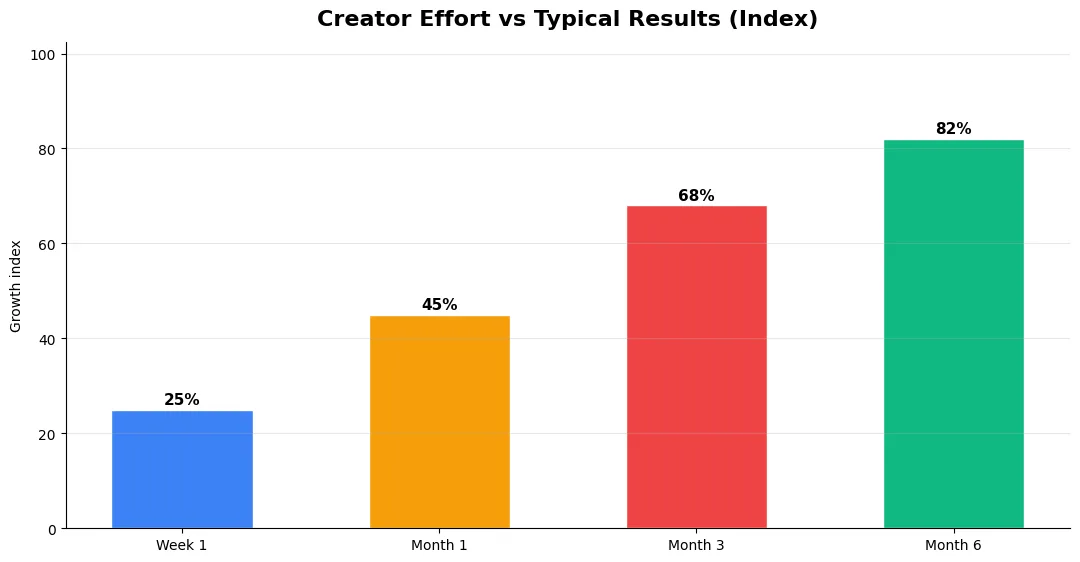
Use a simple checklist before upload: title clarity, thumbnail readability on mobile, hook strength in the first three seconds, captions accuracy, and end-screen placement. Creators who treat upload as a quality gate—not a rush job—see compounding gains in retention and discovery over 2026.
Common Mistakes to Avoid in 2026
The fastest way to stall growth is copying trends without adapting them to your niche voice. Another frequent error is optimizing only for views while ignoring audience fit, which inflates vanity metrics but hurts monetization and brand deals later. Avoid posting on inconsistent schedules; algorithms and audiences both reward predictable cadence.
Do not neglect analytics review. Spend thirty minutes weekly on retention curves, traffic sources, and click-through rate on thumbnails. Small iterative fixes—tighter hooks, clearer titles, better pacing—often outperform chasing entirely new formats every week.
| Level | Strategy | Typical outcome |
|---|---|---|
| Beginner approach | Copy trends blindly | Low retention, no brand |
| Structured approach | Test hooks + analyze data | Steady growth |
| Pro approach | Series + community loop | Higher LTV audience |
What are the top YouTube Shorts viral hook techniques for 2026?
Lead with motion or contrast, open a curiosity gap that closes quickly, use tight on-screen text, and design for muted viewing first. Always deliver the promised payoff.
Do viral hooks require expensive editing?
No. Fast cuts, clear framing, and honest teases beat heavy effects. Consistency and clarity matter more than software budget.
How do I know if my hook is working?
Watch early retention in analytics, compare average view duration to similar Shorts, and test alternate first two seconds when possible.
Should hooks differ by niche?
Yes. Comedy may lean on absurdity; education on mistakes or myths; lifestyle on transformation. Adapt the pattern, not the principle of instant clarity.
Can a strong hook save a weak ending?
It may boost initial views, but poor payoffs hurt replays and follows. Pair hook strength with a clean ending that resolves the tension you created.
Final Verdict — Youtube Shorts Viral Hook Techniques in 2026
Success with youtube shorts viral hook techniques comes from clarity, consistency, and honest delivery on every title and thumbnail promise. Use the step-by-step workflow, avoid the common mistakes above, and measure retention before chasing viral spikes. Small weekly improvements compound into channel growth that lasts beyond a single trending moment.
Also Read: