Day in the life content YouTube viewers love feels specific, honest, and purposeful—not a random sequence of meals and commutes. The best creators anchor the day around a question, a goal, or a relatable struggle so every scene earns its place. Strong audio, intentional B-roll, and clear time markers help audiences stay oriented while emotion and small details build connection. When you treat the format as storytelling instead of surveillance, retention and comments usually follow.
This guide covers how to create day in in plain language for creators in India, the US, the UK, and global audiences. Whether you are starting out or refining a channel that already earns views, the frameworks below help you work smarter—not just post more often. Read through the charts and comparison table, then apply one change per week so improvements stick.
Pick a Spine for the Day Before You Press Record
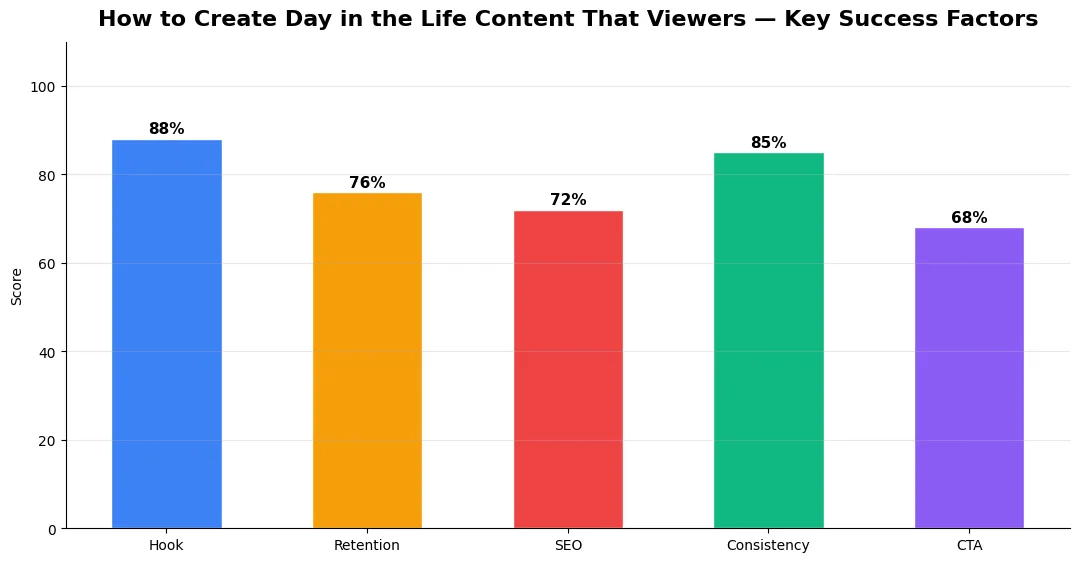
Decide the episode’s promise: finishing a project, surviving a deadline, exploring a new place, or balancing work and family. That spine lets you cut boring transitions without guilt. Open with a quick tease of the highest-stakes moment, then return to morning context. This structure overlaps with bingeable YouTube series content strategy when you turn recurring “days” into seasons viewers anticipate.
Day in the Life Content YouTube Audiences Trust
Authenticity does not mean unedited rambling; it means consistent honesty about how things feel and fail. Show mishaps, waiting time, or revised plans when they serve the story. Label sponsored segments clearly. Pair personal footage with useful context—how you schedule deep work, what gear you actually use, or how you reset after burnout. Documentary-style depth from YouTube documentary-style compelling stories can elevate a mundane Tuesday into something memorable.
Filming and Editing Rhythms That Hold Attention
Capture wide establishing shots, hands doing tasks, and reaction close-ups. Use natural sound in key moments before laying music underneath. In edit, trim commutes unless they advance mood or information. Text on screen helps viewers who skim. End with a reflection line or tomorrow’s hook so the video feels finished, not abandoned. If energy dips midday, a short voice note or text card can re-anchor attention before the next major beat. Map your upload cadence using every YouTube content format explained so “day in the life” episodes complement tutorials or reviews without cannibalizing them.
Titles, Thumbnails, and Discoverability
Put the unique element up front: role, city, niche, or unusual challenge. Thumbnails should show your face and one readable prop or location clue. Pin a comment with timestamps for busy viewers. If a day resonates, consider a Short that isolates the strongest thirty seconds as a funnel to the full video. Analytics will show which segments people rewatch; note those patterns and design future days around similar beats without repeating the same formula every week. One sharp, human moment—a joke, a mishap, or a small kindness—often drives the comments that signal a satisfying watch.
| Element | Weak approach | Strong approach |
|---|---|---|
| Hook | Generic “come with me” | Specific stakes in first twenty seconds |
| Structure | Strict clock order only | Theme beats with time jumps |
| B-roll | Filler shots | Emotion and task clarity |
| Ending | Hard cut at bedtime | Lesson, mood shift, or next-episode tease |
Measuring Success — Metrics That Matter
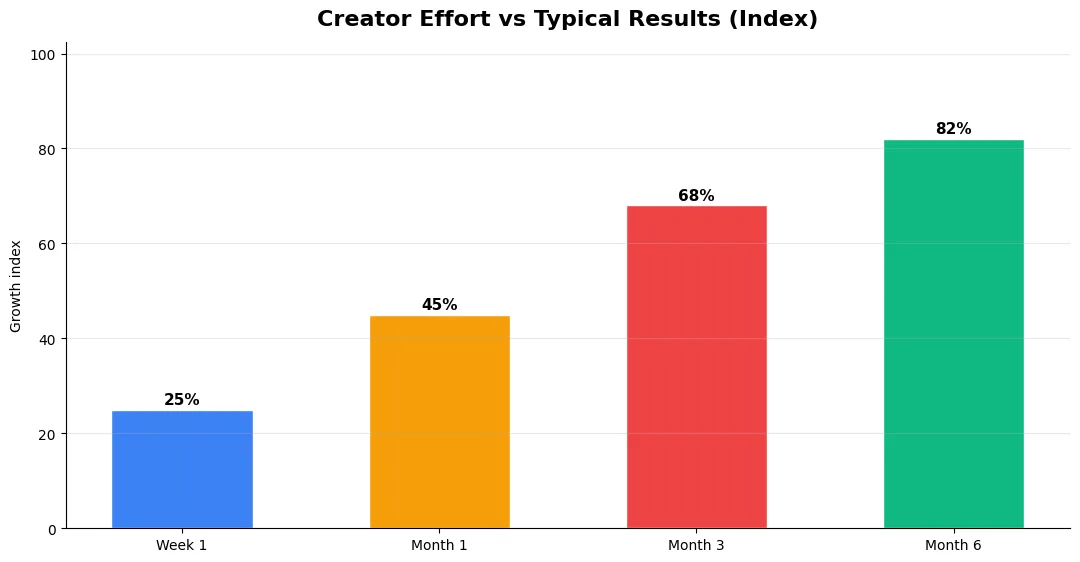
Track average view duration and audience retention before raw view count. Rising retention tells you the content matches the promise of your title and thumbnail; falling retention signals a hook or pacing problem. Monitor click-through rate separately—high CTR with low retention usually means the packaging oversold the video.
For growth channels, watch subscriber conversion per thousand views and returning viewer percentage. For monetized channels, revenue per mille and watch time from high-value geographies matter more than viral spikes from low-monetization regions. Set monthly targets for two metrics only; too many KPIs dilute focus.
Common Mistakes to Avoid in 2026
The fastest way to stall growth is copying trends without adapting them to your niche voice. Another frequent error is optimizing only for views while ignoring audience fit, which inflates vanity metrics but hurts monetization and brand deals later. Avoid posting on inconsistent schedules; algorithms and audiences both reward predictable cadence.
Do not neglect analytics review. Spend thirty minutes weekly on retention curves, traffic sources, and click-through rate on thumbnails. Small iterative fixes—tighter hooks, clearer titles, better pacing—often outperform chasing entirely new formats every week.
Tools and Resources That Save Time
Invest in lightweight tools that reduce friction: a caption workflow, a thumbnail template system, and a title/description helper so metadata stays consistent. The YT Title Description Generator app helps you draft SEO-friendly titles and descriptions quickly when you batch-upload multiple videos.
Keep a swipe file of hooks, titles, and thumbnails that performed well in your niche—not to copy, but to analyze patterns. Pair that with YouTube Studio analytics and one external keyword or trend tool so creative decisions stay grounded in data.
| Level | Strategy | Typical outcome |
|---|---|---|
| Beginner approach | Copy trends blindly | Low retention, no brand |
| Structured approach | Test hooks + analyze data | Steady growth |
| Pro approach | Series + community loop | Higher LTV audience |
How long should day in the life content YouTube videos be?
Usually fifteen to thirty minutes if the story supports it; shorter if one clear arc fits in less time. Trim sections that do not advance the promised theme.
Do I need expensive gear for day-in-the-life videos?
Clear audio matters most—a lav or shotgun mic helps. Good light and stable framing elevate phone footage enough for most niches.
How do I protect privacy in public vlogs?
Blur faces or signage when needed, avoid sensitive locations, and get consent for anyone prominently featured, especially at work or school.
How often should I post day in the life videos?
Match your capacity—weekly or biweekly often beats burned-out daily uploads. Consistency with a defined theme beats random frequency.
Final Verdict — How To Create Day In in 2026
Success with how to create day in comes from clarity, consistency, and honest delivery on every title and thumbnail promise. Use the step-by-step workflow, avoid the common mistakes above, and measure retention before chasing viral spikes. Small weekly improvements compound into channel growth that lasts beyond a single trending moment.
Also Read: