YouTube’s recommendation system decides which videos appear on Home, in suggested columns, and after each watch. In 2026, creators talk less about a single “trick” and more about sustained engagement, thoughtful series order, and signals that show real interest—not just a quick click. This guide summarizes how recommendation thinking has shifted, what “momentum” often means in practice, and how to compare older habits with what works now.
This guide covers how youtubes recommendation engine changed in plain language for creators in India, the US, the UK, and global audiences. Whether you are starting out or refining a channel that already earns views, the frameworks below help you work smarter—not just post more often. Read through the charts and comparison table, then apply one change per week so improvements stick.
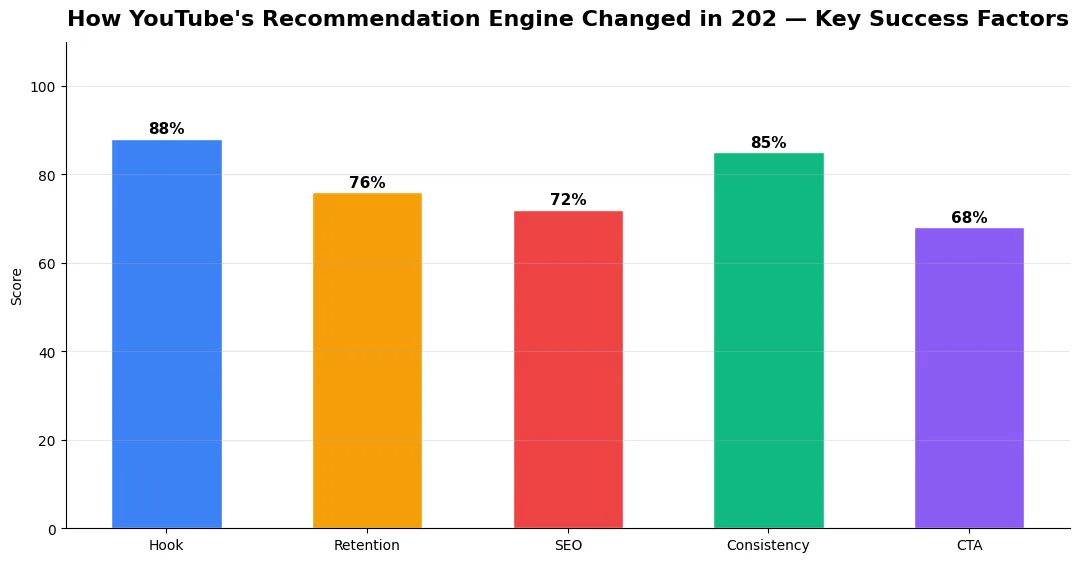
New and stronger signals: engaged views and sequencing
Recommendations still blend relevance, performance, and viewer satisfaction, but engaged views and session patterns carry more weight in creator conversations this year. An engaged view suggests someone stayed with the idea—not only that the thumbnail won a click. Sequencing means planning playlists and upload order so the next video feels like a natural step, which can extend session length and clarify your channel’s topic graph. For step-by-step sequencing tactics, use YouTube 2026 algorithm and content sequencing to boost views alongside this overview.
Suggested videos now and what “momentum” means
Suggested surfaces try to predict the next best watch from candidates related to the current video, viewer history, and broader trends. Strong packaging still earns the first click, but follow-through matters: average view duration, whether viewers watch multiple videos from you, and whether they leave satisfied all feed into how aggressively your next upload is shown. Niche channels can win by owning a clear problem-solution path across several videos rather than one viral spike. See the wider platform picture in YouTube 2026 creator platform changes — complete guide.
Creators often describe momentum when several uploads in a row pull strong engaged watch time and low regret signals. YouTube may then surface your newer videos more confidently to relevant audiences because recent history says you reward viewer time. Momentum is not magic; it breaks if thumbnails overpromise or if a series wanders off-topic. Consistent publishing helps only when quality holds; burning the audience with filler works against you. Quality expectations also rose alongside policy attention to low-effort mass content—read YouTube AI slop crackdown — what creators must know in 2026 for alignment.
Old vs. new recommendation factors (simplified)
| Factor | Older common focus | 2026-style emphasis |
|---|---|---|
| Click appeal | High CTR as a main goal | CTR plus satisfied watch-through |
| Session design | Single viral videos | Series, playlists, clear next steps |
| Quality signals | Basic retention | Engaged views, repeat viewing, low regret |
| Growth path | Generic trends | Niche authority and consistent delivery |
Use analytics to spot videos with high impressions but weak average view duration; fix hooks and pacing before chasing new topics. Build a small set of cornerstone videos that interlink so suggested traffic has a clear “second stop” on your channel.
Conclusion
The 2026 recommendation landscape rewards clear packaging followed by real engagement and smart sequencing. Treat momentum as the result of trustworthy content and orderly series—not a hidden switch. Measure engaged viewing, tighten weak videos, and plan the next episode viewers actually want.
Tools and Resources That Save Time
Invest in lightweight tools that reduce friction: a caption workflow, a thumbnail template system, and a title/description helper so metadata stays consistent. The YT Title Description Generator app helps you draft SEO-friendly titles and descriptions quickly when you batch-upload multiple videos.
Keep a swipe file of hooks, titles, and thumbnails that performed well in your niche—not to copy, but to analyze patterns. Pair that with YouTube Studio analytics and one external keyword or trend tool so creative decisions stay grounded in data.
Measuring Success — Metrics That Matter
Track average view duration and audience retention before raw view count. Rising retention tells you the content matches the promise of your title and thumbnail; falling retention signals a hook or pacing problem. Monitor click-through rate separately—high CTR with low retention usually means the packaging oversold the video.
For growth channels, watch subscriber conversion per thousand views and returning viewer percentage. For monetized channels, revenue per mille and watch time from high-value geographies matter more than viral spikes from low-monetization regions. Set monthly targets for two metrics only; too many KPIs dilute focus.
Step-by-Step Workflow for 2026
Start by defining one clear outcome for every piece of content you publish. Map the viewer journey from the first frame to the subscribe or click action, and remove any step that does not move that journey forward. Batch your research, scripting, and B-roll capture so you are not context-switching between creative and administrative tasks every day.
Use a simple checklist before upload: title clarity, thumbnail readability on mobile, hook strength in the first three seconds, captions accuracy, and end-screen placement. Creators who treat upload as a quality gate—not a rush job—see compounding gains in retention and discovery over 2026.
Common Mistakes to Avoid in 2026
The fastest way to stall growth is copying trends without adapting them to your niche voice. Another frequent error is optimizing only for views while ignoring audience fit, which inflates vanity metrics but hurts monetization and brand deals later. Avoid posting on inconsistent schedules; algorithms and audiences both reward predictable cadence.
Do not neglect analytics review. Spend thirty minutes weekly on retention curves, traffic sources, and click-through rate on thumbnails. Small iterative fixes—tighter hooks, clearer titles, better pacing—often outperform chasing entirely new formats every week.
| Level | Strategy | Typical outcome |
|---|---|---|
| Beginner approach | Copy trends blindly | Low retention, no brand |
| Structured approach | Test hooks + analyze data | Steady growth |
| Pro approach | Series + community loop | Higher LTV audience |
Did YouTube replace CTR with engaged views?
CTR still matters for earning the click, but recommendations increasingly weigh whether people stay engaged after they arrive. Weak follow-through can limit distribution even with a flashy thumbnail.
What triggers momentum for smaller channels?
Consistent uploads that keep engaged watch time on multiple videos, clear topics, and strong end screens or playlists can help. There is no guaranteed multiplier without audience satisfaction.
How is Home different from Suggested for recommendations?
Home blends subscriptions, history, and discovery broadly. Suggested focuses heavily on what to watch next around the current video and related interests.
Do hashtags drive the recommendation engine in 2026?
Hashtags are minor compared with watch behavior, metadata, and audience response. Prioritize titles, descriptions, and content that match viewer intent.
Final Verdict — How Youtubes Recommendation Engine Changed in 2026
Success with how youtubes recommendation engine changed comes from clarity, consistency, and honest delivery on every title and thumbnail promise. Use the step-by-step workflow, avoid the common mistakes above, and measure retention before chasing viral spikes. Small weekly improvements compound into channel growth that lasts beyond a single trending moment.
Also Read: