The YouTube Studio mobile app is where many creators check analytics, manage comments, and ship Shorts on the go. Early 2026 updates keep narrowing the gap with desktop through refreshed analytics cards, Shorts tools, and quicker moderation. Here is what matters for daily workflows and when you still need a computer. Read our YouTube 2026 creator platform changes guide plus algorithm and content sequencing to fit mobile publishing into your plan.
This guide covers youtube studio mobile app updates in plain language for creators in India, the US, the UK, and global audiences. Whether you are starting out or refining a channel that already earns views, the frameworks below help you work smarter—not just post more often. Read through the charts and comparison table, then apply one change per week so improvements stick.
New analytics dashboard on mobile
Recent Studio mobile builds emphasize at-a-glance performance: realtime views, audience segments, and revenue summaries where monetization applies. Cards are tuned for thumb-friendly scanning rather than the wide tables you see on desktop. Use mobile analytics for quick health checks after a upload spike or controversy, then open desktop Studio when you need deeper breakdowns, comparison ranges, or bulk exports. The goal is not to replace desktop, but to catch problems early—such as a sudden drop in click-through rate—while you are away from your computer. Set a personal rule: if a metric looks odd twice in a row, you follow up on desktop the same day.
Shorts editing and publishing from your phone
Mobile remains the natural home for vertical capture and light edits: trim clips, swap audio, add captions, and adjust basic pacing before upload. As YouTube rolls incremental editor improvements, expect tighter integration between the camera gallery and Studio’s publish flow. For creators who batch on desktop, mobile is still ideal for reactive Shorts tied to trends or live-event moments. Pair Shorts experiments with the sequencing ideas from the guide linked in the introduction so vertical clips feed long-form discovery instead of competing with it.
Comment management and scheduling improvements
Comment moderation tools on mobile now make it easier to hold, remove, or reply to threads without opening a laptop—important during viral windows when toxicity spikes. Scheduling from mobile helps creators in different time zones post at sensible local hours. Always double-check thumbnails and titles on a small screen; text that looks fine on desktop can read cramped on phones. If monetization depends on brand safety, rapid comment cleanup protects advertiser-friendly signals; see our YouTube monetization guide for 2026 for policy context.
Mobile Studio vs desktop Studio
| Task | Mobile Studio | Desktop Studio |
|---|---|---|
| Quick analytics snapshot | Strong; card-based views | Strong; more filters and history |
| Deep revenue reporting | Limited compared to desktop | Full AdSense-style detail |
| Shorts capture & light edit | Best experience | Possible but less natural |
| Bulk metadata edits | Slow or partial | Best for playlists, tags, end screens |
| Comment moderation at scale | Good for bursts | Better for heavy queues |
Use mobile when speed matters; use desktop when precision and volume matter. If you manage a team, note who owns which workflow so nobody assumes “someone else” checked desktop revenue.
Conclusion: Treat mobile Studio as a command center for alerts, Shorts, and fast moderation—not a full desktop replacement. Learn the new cards once, then habitually use your phone for speed and your computer for deep strategy, exports, and revenue forensics. That rhythm keeps your channel responsive when life is busy without giving up analytical depth.
Advanced Tips for Competitive Niches
In saturated niches, specificity wins. Narrow your positioning until you can describe your ideal viewer in one sentence, then speak directly to that person in every title and hook. Collaborate with adjacent creators whose audiences overlap but are not identical—this expands reach without diluting brand identity.
Repurpose top performers into Shorts, community posts, and newsletter snippets to extract more value from proven ideas. Update evergreen videos when platforms change features; refreshed metadata and a pinned comment with the latest link can revive older assets.
Measuring Success — Metrics That Matter
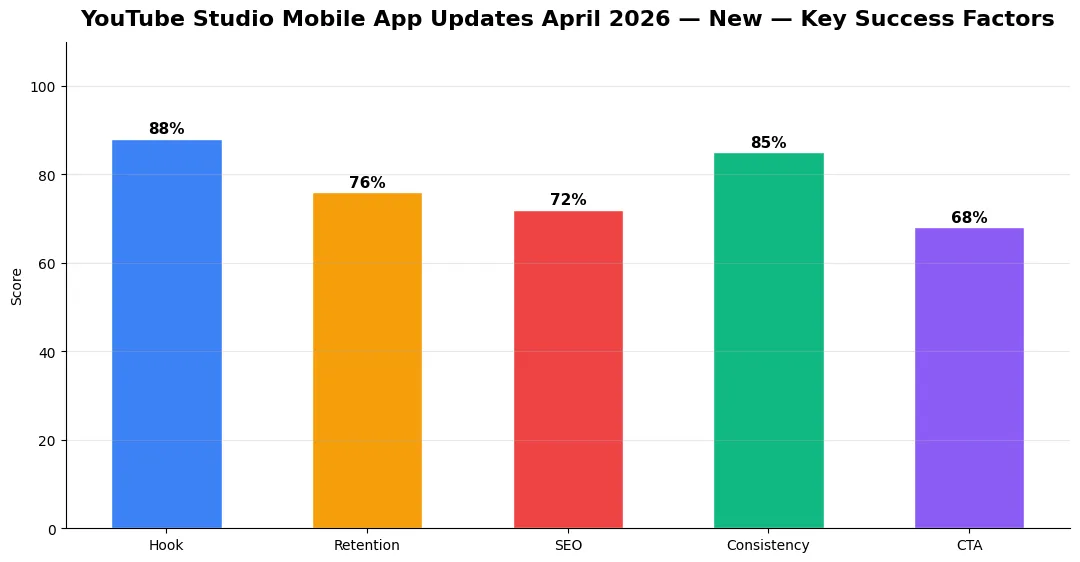
Track average view duration and audience retention before raw view count. Rising retention tells you the content matches the promise of your title and thumbnail; falling retention signals a hook or pacing problem. Monitor click-through rate separately—high CTR with low retention usually means the packaging oversold the video.
For growth channels, watch subscriber conversion per thousand views and returning viewer percentage. For monetized channels, revenue per mille and watch time from high-value geographies matter more than viral spikes from low-monetization regions. Set monthly targets for two metrics only; too many KPIs dilute focus.
Common Mistakes to Avoid in 2026
The fastest way to stall growth is copying trends without adapting them to your niche voice. Another frequent error is optimizing only for views while ignoring audience fit, which inflates vanity metrics but hurts monetization and brand deals later. Avoid posting on inconsistent schedules; algorithms and audiences both reward predictable cadence.
Do not neglect analytics review. Spend thirty minutes weekly on retention curves, traffic sources, and click-through rate on thumbnails. Small iterative fixes—tighter hooks, clearer titles, better pacing—often outperform chasing entirely new formats every week.
Tools and Resources That Save Time
Invest in lightweight tools that reduce friction: a caption workflow, a thumbnail template system, and a title/description helper so metadata stays consistent. The YT Title Description Generator app helps you draft SEO-friendly titles and descriptions quickly when you batch-upload multiple videos.
Keep a swipe file of hooks, titles, and thumbnails that performed well in your niche—not to copy, but to analyze patterns. Pair that with YouTube Studio analytics and one external keyword or trend tool so creative decisions stay grounded in data.
| Level | Strategy | Typical outcome |
|---|---|---|
| Beginner approach | Copy trends blindly | Low retention, no brand |
| Structured approach | Test hooks + analyze data | Steady growth |
| Pro approach | Series + community loop | Higher LTV audience |
Can I rely only on the YouTube Studio mobile app?
Are Shorts better edited on mobile?
Does scheduling from mobile affect performance?
Where can I read about wider YouTube product changes?
Final Verdict — Youtube Studio Mobile App Updates in 2026
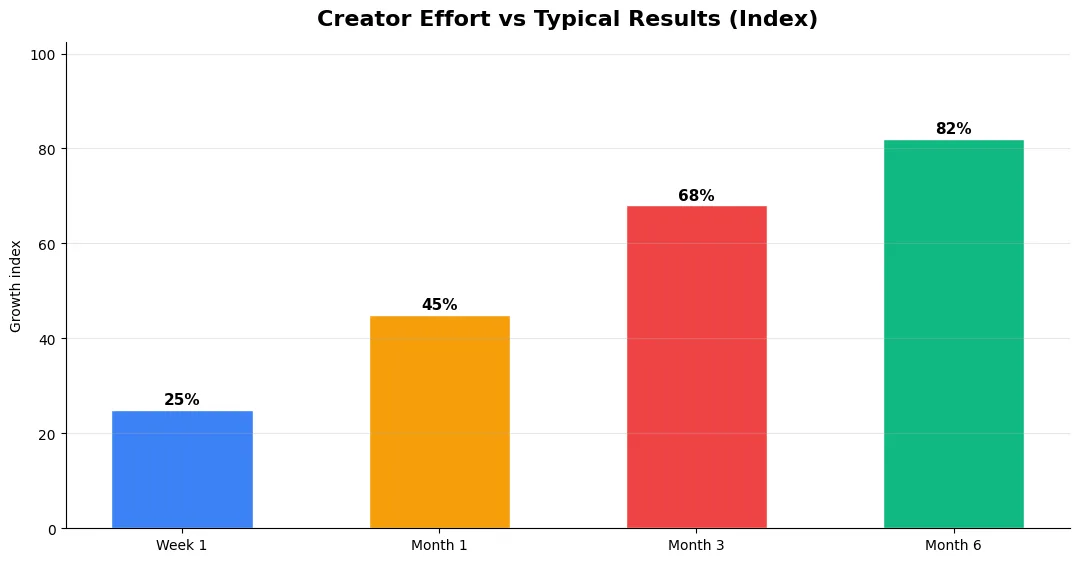
Success with youtube studio mobile app updates comes from clarity, consistency, and honest delivery on every title and thumbnail promise. Use the step-by-step workflow, avoid the common mistakes above, and measure retention before chasing viral spikes. Small weekly improvements compound into channel growth that lasts beyond a single trending moment.
Also Read: