
Micro-drama Shorts are the hottest content format on YouTube right now. These 30-60 second scripted stories — mini episodes with cliffhangers, plot twists, and emotional hooks — saw 126% year-over-year growth in viewership. If you’re a creator looking for a format that consistently goes viral and keeps viewers coming back, micro-dramas deserve your full attention.
This guide covers microdrama shorts are exploding on in plain language for creators in India, the US, the UK, and global audiences. Whether you are starting out or refining a channel that already earns views, the frameworks below help you work smarter—not just post more often. Read through the charts and comparison table, then apply one change per week so improvements stick.
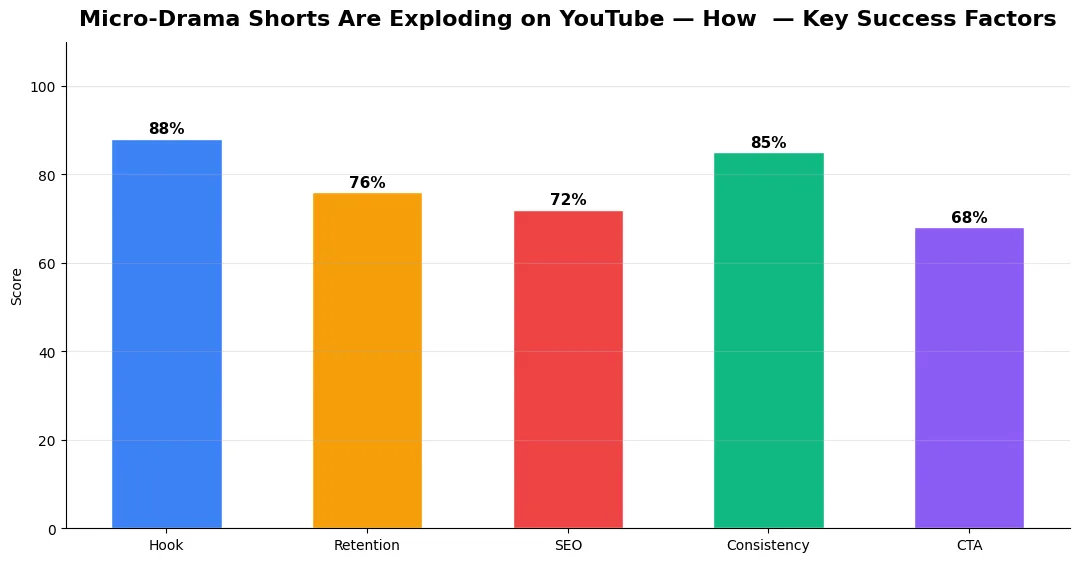
What Are Micro-Drama Shorts on YouTube?
Micro-dramas are short-form scripted videos that tell a complete story (or part of a series) in under 60 seconds. Think of them as TikTok-style storytelling meets traditional TV drama — compressed into bite-sized episodes that viewers can binge in minutes.
The format originated on Chinese short video platforms and exploded globally in 2025. By early 2026, YouTube became the preferred platform for micro-drama creators thanks to better monetization and algorithm support for serialized content. The most popular sub-genres include office revenge dramas, romance plot twists, mystery cliffhangers, and comedic misunderstandings. Creators producing micro-drama series are seeing average views of 500K-5M per episode — numbers that traditional educational or vlog content rarely hits.
Why Micro-Drama Shorts Get Massive Views
The psychology behind micro-drama virality is simple: cliffhangers create compulsive watching behavior. When a Short ends with an unresolved situation, viewers instinctively check the creator’s profile for the next episode. This drives profile visits, binge-watching sessions, and subscriber conversions at rates that other formats can’t match.
YouTube’s algorithm loves this behavior. High completion rates, repeat profile visits, and binge-watching sessions are exactly the engagement signals that trigger broader distribution. A well-crafted micro-drama series can gain 100K subscribers in weeks — a growth speed that would take months with traditional content. The YouTube Shorts trends of 2025 laid the groundwork, but micro-dramas have taken the format to a whole new level.
How to Create Your First Micro-Drama Series
You don’t need a film degree or expensive equipment. Here’s the practical playbook:
Step 1: Pick a genre. Romance and revenge stories perform best globally. Comedy misunderstandings work great for English-speaking audiences. Choose a genre that matches what you can film with available resources.
Step 2: Write a 5-10 episode arc. Each episode should be 30-45 seconds. End every episode on a cliffhanger or surprising reveal. The first episode must hook viewers within the first 3 seconds — use a dramatic opening line or a visually striking moment.
Step 3: Film efficiently. Most successful micro-drama creators batch-film an entire series in 1-2 days. You only need 2-3 actors (or just yourself playing multiple roles with costume changes), a smartphone with decent stabilization, and basic lighting. Keep settings simple — an office, a living room, a café.
Step 4: Edit for retention. Use fast cuts, dramatic music, and text overlays for dialogue emphasis. The pacing should be faster than real conversation — trim every pause and cut to the next beat immediately.
Micro-Drama Shorts vs Other YouTube Short Formats
| Format | Avg Views/Video | Sub Conversion Rate | Binge Factor | Production Effort |
|---|---|---|---|---|
| Micro-Drama Series | 500K–5M | Very High | Extremely High | Medium-High |
| Talking Head Tips | 10K–100K | Medium | Low | Low |
| Compilation/Reaction | 50K–500K | Low | Medium | Low |
| Tutorial/How-To | 20K–200K | Medium-High | Low | Medium |
| Challenge/Trend | 100K–2M | Low | Low | Low |
The numbers tell the story: micro-dramas offer the highest combination of raw views and subscriber conversion. The trade-off is higher production effort — you need scripts, acting, and tighter editing. But the ROI in channel growth makes it absolutely worth it if you’re willing to invest the time.
Final Verdict
Micro-drama Shorts are the single best growth hack on YouTube in 2026. The format rewards storytelling over production value, which means you don’t need expensive gear — just good scripts and consistent execution. Start with a 5-episode test series in a popular genre, post one episode per day, and watch how the algorithm responds. If your hooks are strong, the views will follow.
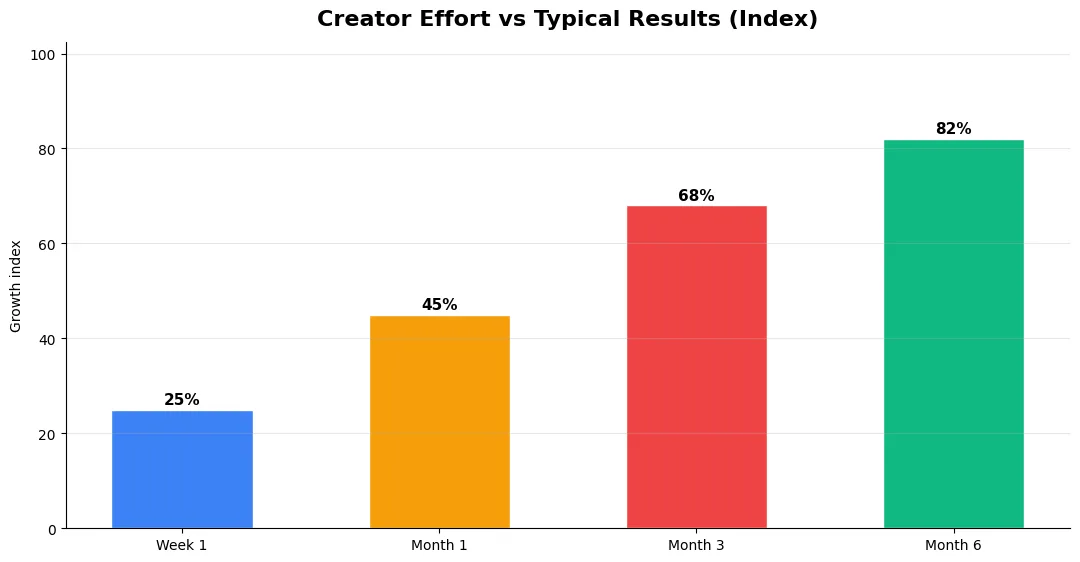
Advanced Tips for Competitive Niches
In saturated niches, specificity wins. Narrow your positioning until you can describe your ideal viewer in one sentence, then speak directly to that person in every title and hook. Collaborate with adjacent creators whose audiences overlap but are not identical—this expands reach without diluting brand identity.
Repurpose top performers into Shorts, community posts, and newsletter snippets to extract more value from proven ideas. Update evergreen videos when platforms change features; refreshed metadata and a pinned comment with the latest link can revive older assets.
Common Mistakes to Avoid in 2026
The fastest way to stall growth is copying trends without adapting them to your niche voice. Another frequent error is optimizing only for views while ignoring audience fit, which inflates vanity metrics but hurts monetization and brand deals later. Avoid posting on inconsistent schedules; algorithms and audiences both reward predictable cadence.
Do not neglect analytics review. Spend thirty minutes weekly on retention curves, traffic sources, and click-through rate on thumbnails. Small iterative fixes—tighter hooks, clearer titles, better pacing—often outperform chasing entirely new formats every week.
Step-by-Step Workflow for 2026
Start by defining one clear outcome for every piece of content you publish. Map the viewer journey from the first frame to the subscribe or click action, and remove any step that does not move that journey forward. Batch your research, scripting, and B-roll capture so you are not context-switching between creative and administrative tasks every day.
Use a simple checklist before upload: title clarity, thumbnail readability on mobile, hook strength in the first three seconds, captions accuracy, and end-screen placement. Creators who treat upload as a quality gate—not a rush job—see compounding gains in retention and discovery over 2026.
Measuring Success — Metrics That Matter
Track average view duration and audience retention before raw view count. Rising retention tells you the content matches the promise of your title and thumbnail; falling retention signals a hook or pacing problem. Monitor click-through rate separately—high CTR with low retention usually means the packaging oversold the video.
For growth channels, watch subscriber conversion per thousand views and returning viewer percentage. For monetized channels, revenue per mille and watch time from high-value geographies matter more than viral spikes from low-monetization regions. Set monthly targets for two metrics only; too many KPIs dilute focus.
| Level | Strategy | Typical outcome |
|---|---|---|
| Beginner approach | Copy trends blindly | Low retention, no brand |
| Structured approach | Test hooks + analyze data | Steady growth |
| Pro approach | Series + community loop | Higher LTV audience |
What are micro-drama Shorts on YouTube?
How many views do micro-drama Shorts get on YouTube?
Do you need actors to make micro-drama Shorts?
How often should you post micro-drama episodes on YouTube?
Final Verdict — Microdrama Shorts Are Exploding On in 2026
Success with microdrama shorts are exploding on comes from clarity, consistency, and honest delivery on every title and thumbnail promise. Use the step-by-step workflow, avoid the common mistakes above, and measure retention before chasing viral spikes. Small weekly improvements compound into channel growth that lasts beyond a single trending moment.
Also Read: