Making money on YouTube in 2026 is no longer just about ad revenue. The platform has built an entire ecosystem of revenue streams — from fan funding with Jewels to affiliate commissions through Shopping, channel memberships, brand deals, and digital products. This complete YouTube monetization guide breaks down every way creators are earning money, what each stream pays, and how to build a sustainable income.
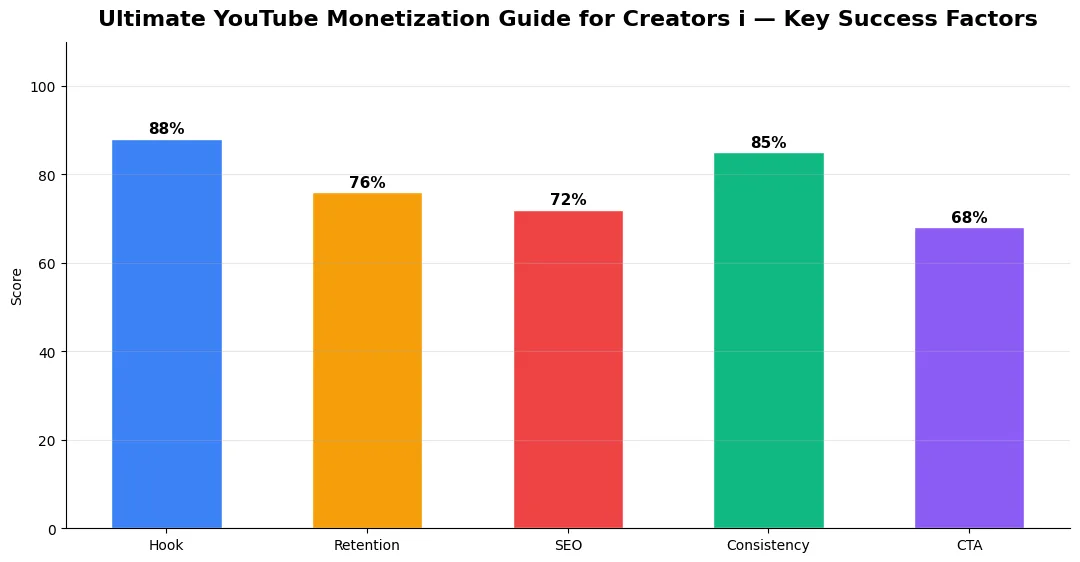
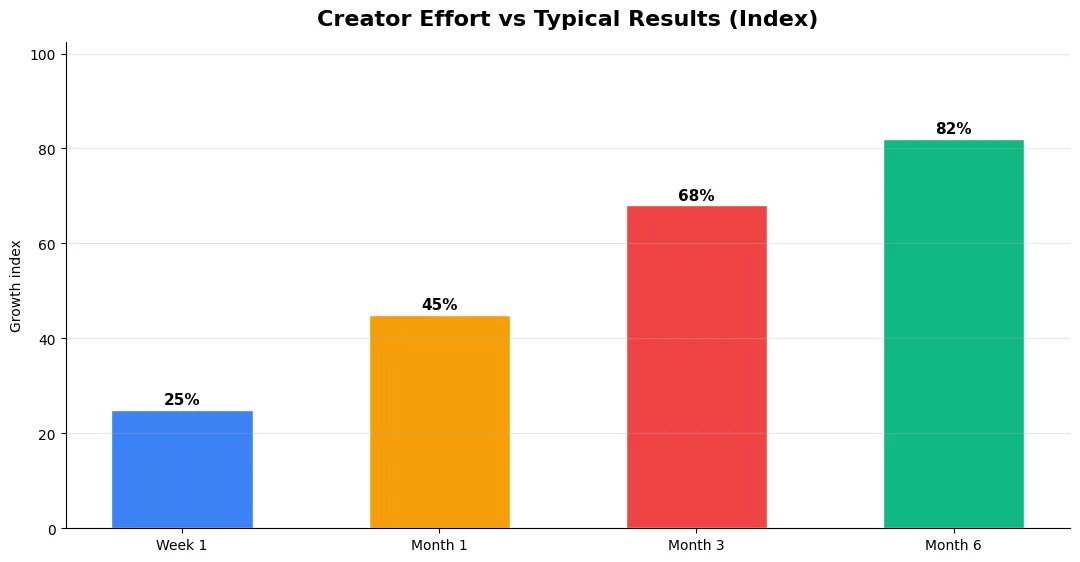
This guide covers ultimate youtube monetization guide for in plain language for creators in India, the US, the UK, and global audiences. Whether you are starting out or refining a channel that already earns views, the frameworks below help you work smarter—not just post more often. Read through the charts and comparison table, then apply one change per week so improvements stick.
YouTube Ad Revenue: The Foundation of Creator Earnings
AdSense ad revenue remains the baseline income for most creators. YouTube shares 55% of ad revenue with long-form video creators and 45% with Shorts creators (through the Shorts revenue sharing model). Your earnings depend on CPM (cost per 1000 ad impressions), which varies wildly by niche, audience geography, and time of year. Finance and tech channels see CPMs of $15-30 in the US market, while entertainment channels average $3-8. Indian audience CPMs range from ₹30-200 depending on the niche.
The key metric to watch is RPM (Revenue Per Mille) — how much you earn per 1000 views after YouTube’s cut. A healthy RPM for an Indian creator targeting a global audience is $2-5. To maximize ad revenue, focus on longer videos (8-15 minutes for mid-roll ads), audience retention over raw views, and creating content in high-CPM niches.
YouTube Monetization Through Jewels and Fan Funding
YouTube’s Jewels system replaced Super Chat and Super Thanks in 2026. Viewers buy virtual Jewels and send animated gifts during live streams, premieres, and regular video playback. Creators keep 70% of the revenue. The gamification layer — badges, leaderboards, and recognition for top gifters — creates repeat behavior that the old tipping system never achieved.
Channels with strong community engagement earn ₹50,000 to ₹5,00,000+ monthly from Jewels alone. The key is creating interactive moments: milestones, challenges, polls during live streams, and direct viewer acknowledgment. Smaller channels often earn more per viewer from Jewels than from ads because dedicated fans will spend disproportionately on their favorite creators.
YouTube Shopping and Affiliate Revenue
YouTube Shopping with in-app checkout lets viewers buy tagged products without leaving the app. Creators earn 5-15% affiliate commission on every sale, tracked automatically. Tech reviewers, beauty creators, and fitness channels are the primary beneficiaries. Early data shows in-app checkout converts 2.5x better than traditional affiliate links because the purchase happens seamlessly within the viewing experience.
Channel Memberships and Recurring Revenue
Memberships now support up to 6 tiers with expanded perks: early access, members-only Shorts, exclusive Community posts, and members-only live streams. The real money is in higher tiers — a small percentage of superfans happily pay ₹500-2,000/month. You don’t need wildly different content for members; behind-the-scenes footage, extended cuts, or casual Q&As create enough perceived value. Channels with 50K+ subscribers can realistically earn ₹1-2 lakh monthly from memberships alone.
Brand Sponsorships and Direct Deals
Sponsorships continue to be the highest-paying revenue stream for mid-to-large creators. A channel with 100K subscribers commands ₹50,000-2,00,000 per sponsored video in tech and finance niches. The 2026 shift: brands now want Shorts sponsorships alongside long-form integrations. Bundling a long-form mention plus 2-3 sponsored Shorts increases your package value while requiring less production effort per unit. YouTube’s new Brand Partnership Hub also connects creators directly with advertisers, reducing reliance on talent agencies.
YouTube Monetization Methods Compared
| Revenue Stream | Avg Monthly (50K subs) | YPP Required? | Effort | Scalability |
|---|---|---|---|---|
| Ad Revenue (AdSense) | ₹20,000–80,000 | Yes | Low (passive) | Medium |
| Jewels & Gifts | ₹10,000–1,00,000 | Yes | Medium | High |
| Shopping Affiliates | ₹5,000–50,000 | Yes | Low | High |
| Channel Memberships | ₹15,000–1,50,000 | Yes | Medium | High |
| Brand Sponsorships | ₹50,000–2,00,000 | No | High | Medium |
| Digital Products | Variable | No | Very High | Very High |
| Shorts Revenue Sharing | ₹5,000–30,000 | Yes | Low | Medium |
Digital Products and Creator Businesses
The most scalable revenue stream is selling your own digital products — courses, templates, presets, ebooks, or software. A tech tutorial creator selling a ₹2,999 course to even 1% of their audience generates massive revenue compared to ads. Creator-focused apps like the YT Title Description Generator are examples of digital products built by creators who understand their audience’s pain points. This is where YouTube income transforms from “making money from videos” to “building a business powered by video.”
Final Verdict
The most resilient YouTube creators in 2026 stack 3-4 revenue streams. Start with ads (passive baseline), add Shopping tags (low effort), build toward memberships and Jewels (community investment), and pursue sponsorships as your channel grows. Don’t rely on any single stream — diversification is the entire point. The creators earning 6-7 figures aren’t doing anything magical; they’re just combining multiple income sources on top of consistently good content.
Step-by-Step Workflow for 2026
Start by defining one clear outcome for every piece of content you publish. Map the viewer journey from the first frame to the subscribe or click action, and remove any step that does not move that journey forward. Batch your research, scripting, and B-roll capture so you are not context-switching between creative and administrative tasks every day.
Use a simple checklist before upload: title clarity, thumbnail readability on mobile, hook strength in the first three seconds, captions accuracy, and end-screen placement. Creators who treat upload as a quality gate—not a rush job—see compounding gains in retention and discovery over 2026.
Advanced Tips for Competitive Niches
In saturated niches, specificity wins. Narrow your positioning until you can describe your ideal viewer in one sentence, then speak directly to that person in every title and hook. Collaborate with adjacent creators whose audiences overlap but are not identical—this expands reach without diluting brand identity.
Repurpose top performers into Shorts, community posts, and newsletter snippets to extract more value from proven ideas. Update evergreen videos when platforms change features; refreshed metadata and a pinned comment with the latest link can revive older assets.
Tools and Resources That Save Time
Invest in lightweight tools that reduce friction: a caption workflow, a thumbnail template system, and a title/description helper so metadata stays consistent. The YT Title Description Generator app helps you draft SEO-friendly titles and descriptions quickly when you batch-upload multiple videos.
Keep a swipe file of hooks, titles, and thumbnails that performed well in your niche—not to copy, but to analyze patterns. Pair that with YouTube Studio analytics and one external keyword or trend tool so creative decisions stay grounded in data.
Measuring Success — Metrics That Matter
Track average view duration and audience retention before raw view count. Rising retention tells you the content matches the promise of your title and thumbnail; falling retention signals a hook or pacing problem. Monitor click-through rate separately—high CTR with low retention usually means the packaging oversold the video.
For growth channels, watch subscriber conversion per thousand views and returning viewer percentage. For monetized channels, revenue per mille and watch time from high-value geographies matter more than viral spikes from low-monetization regions. Set monthly targets for two metrics only; too many KPIs dilute focus.
| Level | Strategy | Typical outcome |
|---|---|---|
| Beginner approach | Copy trends blindly | Low retention, no brand |
| Structured approach | Test hooks + analyze data | Steady growth |
| Pro approach | Series + community loop | Higher LTV audience |
How much do YouTube creators earn per 1000 views in 2026?
What is the YouTube Jewels monetization system?
How much can small YouTube channels earn from sponsorships?
What are the YouTube Partner Program requirements in 2026?
Is YouTube monetization better than Twitch or TikTok?
Final Verdict — Ultimate Youtube Monetization Guide For in 2026
Success with ultimate youtube monetization guide for comes from clarity, consistency, and honest delivery on every title and thumbnail promise. Use the step-by-step workflow, avoid the common mistakes above, and measure retention before chasing viral spikes. Small weekly improvements compound into channel growth that lasts beyond a single trending moment.
Also Read: