YouTube Shopping just got its biggest upgrade yet: in-app checkout. Viewers can now buy products directly inside the YouTube app without being redirected to an external website. For creators, this means higher conversion rates, bigger affiliate commissions, and a whole new revenue stream. YouTube reports a 5x year-over-year growth in Shopping Gross Merchandise Volume — and this update is going to accelerate that even further.
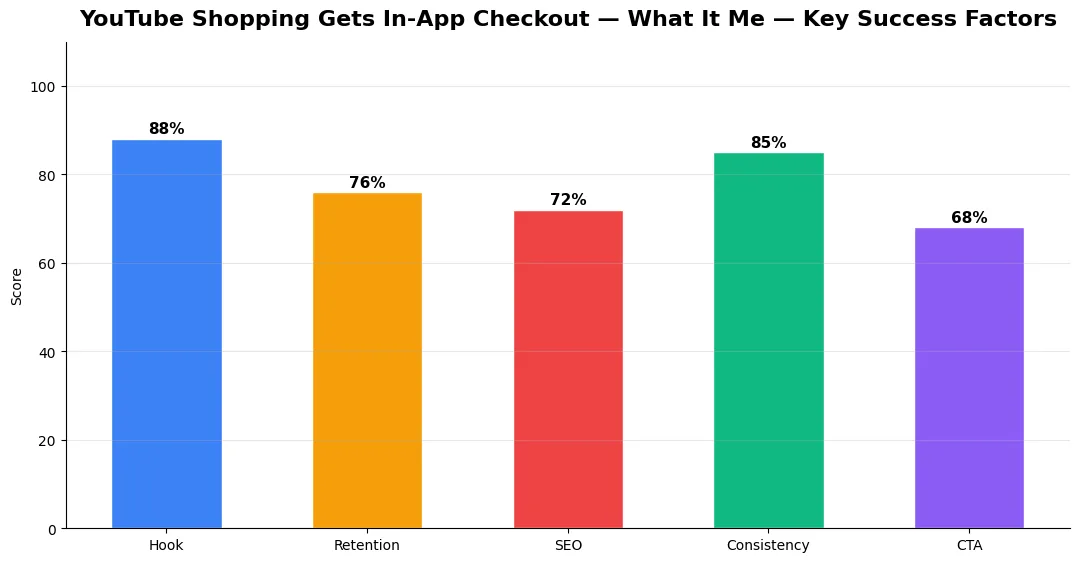
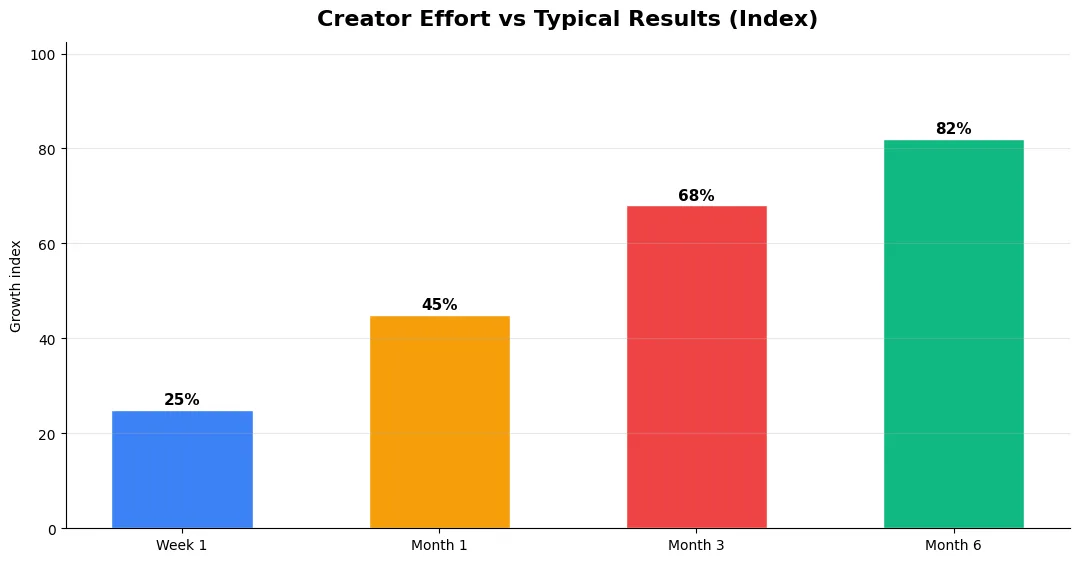
This guide covers youtube shopping gets inapp checkout in plain language for creators in India, the US, the UK, and global audiences. Whether you are starting out or refining a channel that already earns views, the frameworks below help you work smarter—not just post more often. Read through the charts and comparison table, then apply one change per week so improvements stick.
How YouTube Shopping In-App Checkout Works
The system is straightforward. Creators tag products in their videos using YouTube’s product tagging feature. When a viewer taps on a product tag, they see price, description, and reviews — all within YouTube. They can add items to a cart and complete the purchase without ever leaving the app.
YouTube handles the entire checkout flow: payment processing, order confirmation, and delivery tracking notifications. Creators earn affiliate commissions on every sale — typically 5-15% depending on the product category and the merchant’s program. The commission is tracked automatically; no affiliate links, discount codes, or manual tracking needed.
Why In-App Checkout Is a Big Deal for YouTube Creators
The biggest reason: reduced friction. Every click between “I want this” and “I bought this” loses a percentage of potential buyers. By removing the external redirect — where viewers would previously land on Amazon or a brand’s website and potentially get distracted — YouTube’s in-app checkout can double or even triple conversion rates for tagged products.
Early data from beta testers confirms this. Tech review channels report that in-app checkout conversions are running 2.5x higher than traditional affiliate link clicks. Product-focused content — reviews, comparisons, unboxings, and “best of” lists — benefits the most. If you’re already creating content that discusses products, this is essentially free additional revenue with zero extra work beyond tagging.
Which Creators Benefit Most from YouTube Shopping?
Tech reviewers, beauty and fashion creators, fitness equipment reviewers, home improvement channels, and cooking creators (kitchen gadgets) are the primary beneficiaries. Essentially, any creator who naturally discusses products they’ve used or tested.
But it’s not limited to product review channels. A travel vlogger can tag the camera they’re filming with. A music producer can tag the headphones they’re wearing. A gaming creator can tag the controller or headset visible in their setup. The key is authenticity — viewers respond to genuine recommendations, not forced product placements. The casual, organic mentions convert far better than dedicated shopping segments.
YouTube Shopping vs Other Creator Commerce Platforms
| Feature | YouTube Shopping | Amazon Affiliates | Instagram Shopping |
|---|---|---|---|
| In-App Checkout | Yes (new) | No (redirects to Amazon) | Yes |
| Commission Rate | 5-15% | 1-10% | Varies by brand |
| Integration | Native video tags | Links in description | Post tags + Stories |
| Audience Size | 2.5B+ monthly users | Huge (via search) | 2B+ monthly users |
| Content Format | Video-first (long + Shorts) | Text links | Photo + Reels |
| Tracking | Automatic (no links needed) | Cookie-based (24hr window) | Automatic |
| Product Discovery | In-video context | Description link click | Post/Story tap |
YouTube’s biggest advantage is the video context. Viewers watch a creator actually use and demonstrate a product before buying — which is far more persuasive than a photo or a link in a description box. Combined with in-app checkout, this creates a uniquely powerful conversion funnel that neither Amazon affiliates nor Instagram can fully match.
Final Verdict
YouTube Shopping’s in-app checkout is a must-enable feature for any creator who mentions products in their content. The setup takes minutes, the revenue is passive once products are tagged, and the 2.5x conversion improvement over external links makes it one of the highest-ROI features YouTube has ever launched. Start tagging products in your next video — your audience is ready to buy.
Common Mistakes to Avoid in 2026
The fastest way to stall growth is copying trends without adapting them to your niche voice. Another frequent error is optimizing only for views while ignoring audience fit, which inflates vanity metrics but hurts monetization and brand deals later. Avoid posting on inconsistent schedules; algorithms and audiences both reward predictable cadence.
Do not neglect analytics review. Spend thirty minutes weekly on retention curves, traffic sources, and click-through rate on thumbnails. Small iterative fixes—tighter hooks, clearer titles, better pacing—often outperform chasing entirely new formats every week.
Advanced Tips for Competitive Niches
In saturated niches, specificity wins. Narrow your positioning until you can describe your ideal viewer in one sentence, then speak directly to that person in every title and hook. Collaborate with adjacent creators whose audiences overlap but are not identical—this expands reach without diluting brand identity.
Repurpose top performers into Shorts, community posts, and newsletter snippets to extract more value from proven ideas. Update evergreen videos when platforms change features; refreshed metadata and a pinned comment with the latest link can revive older assets.
Measuring Success — Metrics That Matter
Track average view duration and audience retention before raw view count. Rising retention tells you the content matches the promise of your title and thumbnail; falling retention signals a hook or pacing problem. Monitor click-through rate separately—high CTR with low retention usually means the packaging oversold the video.
For growth channels, watch subscriber conversion per thousand views and returning viewer percentage. For monetized channels, revenue per mille and watch time from high-value geographies matter more than viral spikes from low-monetization regions. Set monthly targets for two metrics only; too many KPIs dilute focus.
Tools and Resources That Save Time
Invest in lightweight tools that reduce friction: a caption workflow, a thumbnail template system, and a title/description helper so metadata stays consistent. The YT Title Description Generator app helps you draft SEO-friendly titles and descriptions quickly when you batch-upload multiple videos.
Keep a swipe file of hooks, titles, and thumbnails that performed well in your niche—not to copy, but to analyze patterns. Pair that with YouTube Studio analytics and one external keyword or trend tool so creative decisions stay grounded in data.
| Level | Strategy | Typical outcome |
|---|---|---|
| Beginner approach | Copy trends blindly | Low retention, no brand |
| Structured approach | Test hooks + analyze data | Steady growth |
| Pro approach | Series + community loop | Higher LTV audience |
How does YouTube Shopping in-app checkout work?
How much commission do YouTube creators earn from Shopping?
Do I need to be in the YouTube Partner Program for Shopping?
Is YouTube Shopping better than Amazon affiliate links?
Final Verdict — Youtube Shopping Gets Inapp Checkout in 2026
Success with youtube shopping gets inapp checkout comes from clarity, consistency, and honest delivery on every title and thumbnail promise. Use the step-by-step workflow, avoid the common mistakes above, and measure retention before chasing viral spikes. Small weekly improvements compound into channel growth that lasts beyond a single trending moment.
Also Read: