A successful YouTube video involves dozens of steps between the initial idea and the final upload — scripting, filming, editing, thumbnail creation, metadata optimization, scheduling, and analytics review. This complete creator toolkit guide maps every stage of the YouTube production pipeline to the best tools available in 2026, from free options to professional-grade solutions.
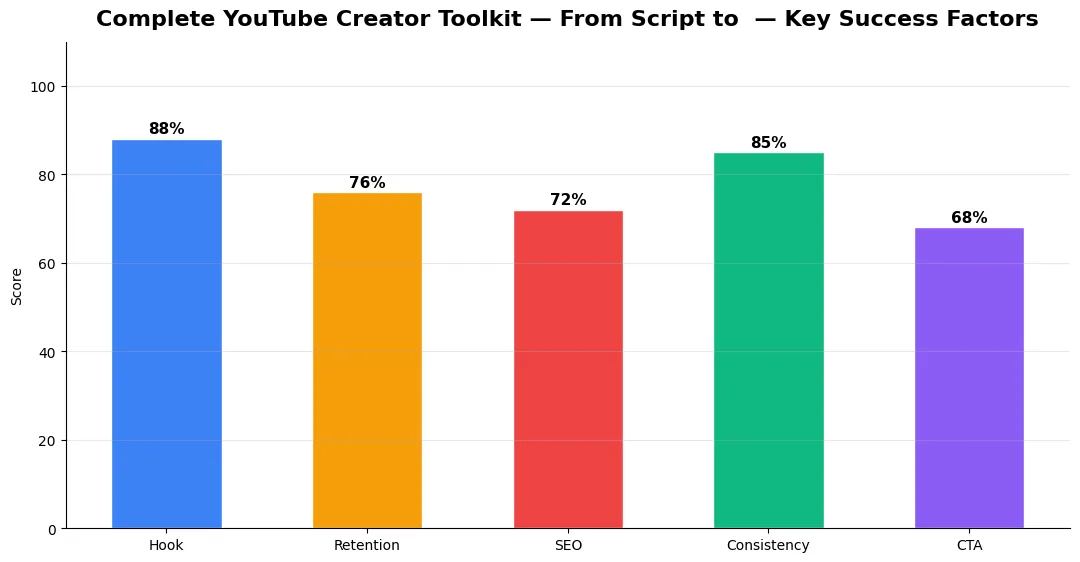
This guide covers complete youtube creator toolkit from in plain language for creators in India, the US, the UK, and global audiences. Whether you are starting out or refining a channel that already earns views, the frameworks below help you work smarter—not just post more often. Read through the charts and comparison table, then apply one change per week so improvements stick.
Stage 1: Research and Ideation Tools
Google Trends: The starting point for identifying trending topics in your niche. Compare search interest across topics and time periods to find content ideas with rising demand. vidIQ: Shows what’s performing in your niche with daily video ideas, keyword scores, and trending topic alerts. YouTube Search Suggest: Simply type your topic in YouTube’s search bar and note the autocomplete suggestions — these are real searches people are making right now. AnswerThePublic: Visualizes questions people ask about any topic, perfect for finding FAQ-style video ideas and long-tail keywords.
Stage 2: Scriptwriting and Planning Tools
ChatGPT / Claude: Generate script outlines, talking points, and full drafts. Always rewrite in your own voice — AI scripts sound generic without personalization. Notion / Google Docs: Organize your content calendar, script library, and production notes. Notion’s database features let you track video status from idea to published. Trello: Kanban-style boards for managing your video production pipeline if you work with a team. Move cards from “Idea” to “Scripted” to “Filmed” to “Edited” to “Published.”
Stage 3: Filming and Recording Tools
For camera: your smartphone (iPhone 14+ or Samsung Galaxy S24+) shoots 4K video that rivals dedicated cameras. For screen recording: OBS Studio (free, open-source) captures screen and webcam simultaneously. For audio: Audacity (free) for recording and basic editing, paired with a Boya BY-M1 lavalier mic or Blue Yeti USB mic. For lighting: Elgato Key Light or any ₹3,000-8,000 LED softbox kit. Good audio and lighting matter more than camera quality — viewers forgive lower resolution but not bad sound.
Stage 4: Video Editing Tools
DaVinci Resolve (Free): Full professional editing suite with color grading, audio mixing, and visual effects. CapCut (Free): Best for quick edits and Shorts with AI-powered auto-captions and effects. Descript ($24/month): Text-based editing — edit your video by editing the transcript. Removes filler words, creates highlights automatically. Adobe Premiere Pro ($22/month): Industry standard with the widest plugin ecosystem. For most YouTube creators, DaVinci Resolve’s free version handles everything Premiere does — no subscription needed.
Stage 5: Metadata and SEO Optimization Tools
This is where most creators lose views — uploading great content with mediocre metadata. The YT Title Description Generator solves this by generating SEO-optimized titles, descriptions, tags, and hashtags from a single topic input. It’s free, requires no login, and includes a text-to-speech preview and revenue calculator. For deeper keyword research, TubeBuddy and vidIQ offer browser extensions with keyword scores, competitor analysis, and A/B testing for titles and thumbnails.
YouTube Creator Toolkit by Production Stage
| Stage | Best Free Tool | Best Paid Tool | Time Saved |
|---|---|---|---|
| Research | Google Trends + YouTube Search | vidIQ Pro | 2-3 hours/week |
| Scriptwriting | ChatGPT Free | Claude Pro | 3-5 hours/video |
| Filming | Smartphone + OBS | Sony ZV-1 camera | N/A |
| Editing | DaVinci Resolve / CapCut | Descript | 2-4 hours/video |
| Thumbnails | Canva Free | Photoshop + Midjourney | 30-60 min/video |
| SEO / Metadata | YT Title Desc Generator | TubeBuddy Pro | 1-2 hours/video |
| Audio Enhancement | Adobe Podcast | iZotope RX | 30 min/video |
| Music | Suno AI / YouTube Audio Library | Epidemic Sound | 1 hour/video |
| Analytics | YouTube Studio | Social Blade + vidIQ | 1 hour/week |
Stage 6: Thumbnail and Graphics Tools
Canva (Free–$13/month): YouTube thumbnail templates with AI features — background removal, magic eraser, text effects. The free tier covers most needs. Photoshop ($22/month): Maximum control for creators who want pixel-perfect thumbnails. Remove.bg (Free): Instant background removal for subject isolation in thumbnails. Midjourney ($10/month): Generate unique AI illustrations for thumbnails when stock photos won’t cut it.
Final Verdict
You don’t need expensive tools to produce professional YouTube content. A complete free toolkit — ChatGPT for scripts, DaVinci Resolve for editing, YT Title Description Generator for metadata, Canva for thumbnails, Adobe Podcast for audio, and Suno AI for music — covers every production stage at zero cost. Invest in paid tools only when a specific bottleneck justifies the expense. The barrier to entry for YouTube creation has never been lower.
Advanced Tips for Competitive Niches
In saturated niches, specificity wins. Narrow your positioning until you can describe your ideal viewer in one sentence, then speak directly to that person in every title and hook. Collaborate with adjacent creators whose audiences overlap but are not identical—this expands reach without diluting brand identity.
Repurpose top performers into Shorts, community posts, and newsletter snippets to extract more value from proven ideas. Update evergreen videos when platforms change features; refreshed metadata and a pinned comment with the latest link can revive older assets.
Measuring Success — Metrics That Matter
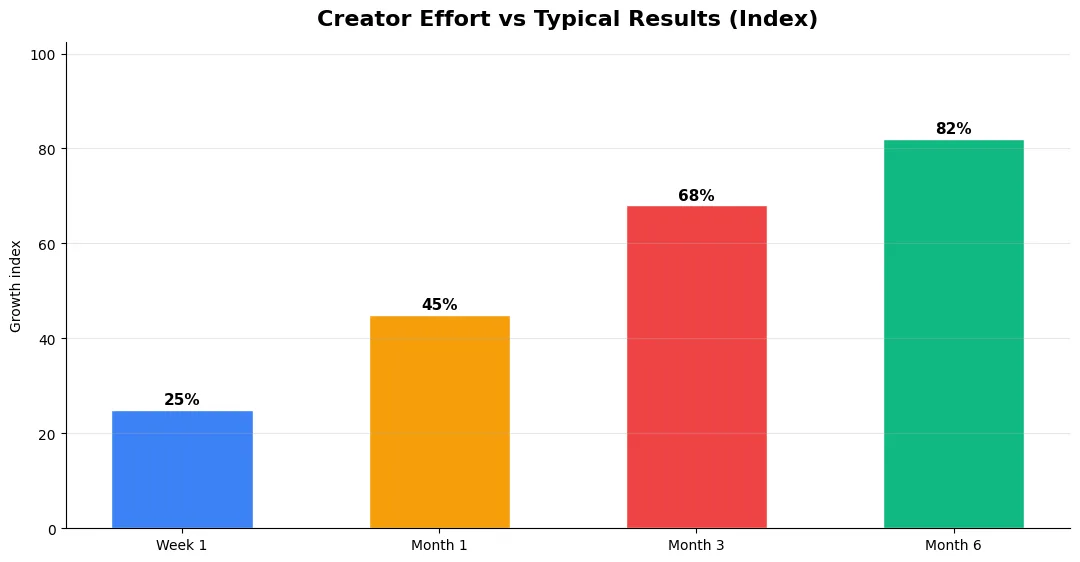
Track average view duration and audience retention before raw view count. Rising retention tells you the content matches the promise of your title and thumbnail; falling retention signals a hook or pacing problem. Monitor click-through rate separately—high CTR with low retention usually means the packaging oversold the video.
For growth channels, watch subscriber conversion per thousand views and returning viewer percentage. For monetized channels, revenue per mille and watch time from high-value geographies matter more than viral spikes from low-monetization regions. Set monthly targets for two metrics only; too many KPIs dilute focus.
Tools and Resources That Save Time
Invest in lightweight tools that reduce friction: a caption workflow, a thumbnail template system, and a title/description helper so metadata stays consistent. The YT Title Description Generator app helps you draft SEO-friendly titles and descriptions quickly when you batch-upload multiple videos.
Keep a swipe file of hooks, titles, and thumbnails that performed well in your niche—not to copy, but to analyze patterns. Pair that with YouTube Studio analytics and one external keyword or trend tool so creative decisions stay grounded in data.
Step-by-Step Workflow for 2026
Start by defining one clear outcome for every piece of content you publish. Map the viewer journey from the first frame to the subscribe or click action, and remove any step that does not move that journey forward. Batch your research, scripting, and B-roll capture so you are not context-switching between creative and administrative tasks every day.
Use a simple checklist before upload: title clarity, thumbnail readability on mobile, hook strength in the first three seconds, captions accuracy, and end-screen placement. Creators who treat upload as a quality gate—not a rush job—see compounding gains in retention and discovery over 2026.
| Level | Strategy | Typical outcome |
|---|---|---|
| Beginner approach | Copy trends blindly | Low retention, no brand |
| Structured approach | Test hooks + analyze data | Steady growth |
| Pro approach | Series + community loop | Higher LTV audience |
What is the complete YouTube creator toolkit for 2026?
What free tools do YouTube creators need?
Is DaVinci Resolve really free for YouTube editing?
How much time do AI tools save YouTube creators?
Final Verdict — Complete Youtube Creator Toolkit From in 2026
Success with complete youtube creator toolkit from comes from clarity, consistency, and honest delivery on every title and thumbnail promise. Use the step-by-step workflow, avoid the common mistakes above, and measure retention before chasing viral spikes. Small weekly improvements compound into channel growth that lasts beyond a single trending moment.
Also Read: