If you want predictable recurring income from fans, you are probably comparing YouTube Memberships vs Patreon for creators in 2026. Both sit on top of ad revenue and can pair well with the ideas in our YouTube monetization guide for creators (2026). This article breaks down fees, reach, and setup so you can pick the channel that fits your audience and workflow.
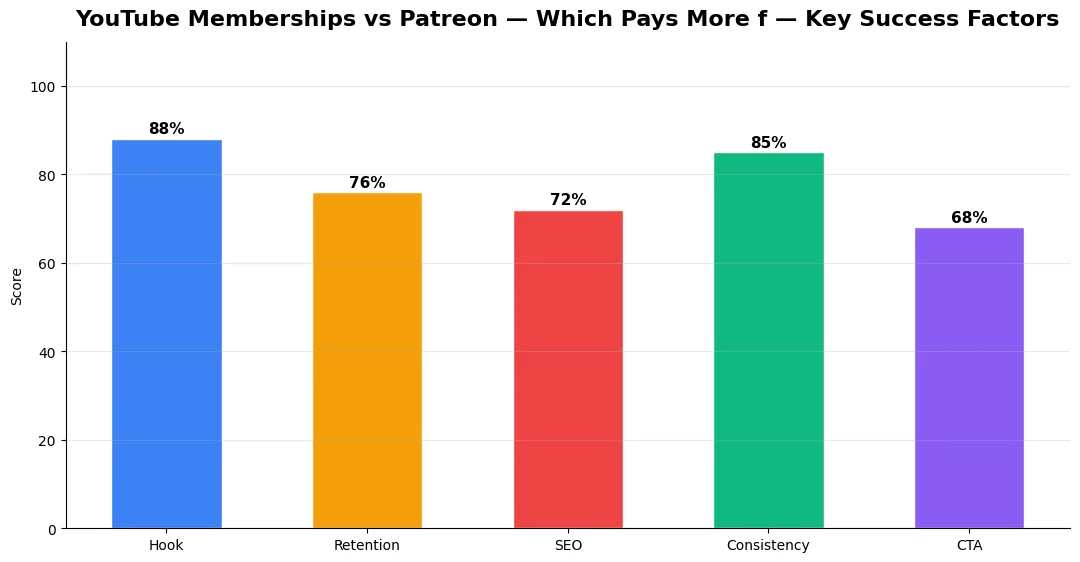
This guide covers youtube memberships vs patreon which in plain language for creators in India, the US, the UK, and global audiences. Whether you are starting out or refining a channel that already earns views, the frameworks below help you work smarter—not just post more often. Read through the charts and comparison table, then apply one change per week so improvements stick.
How features and revenue share compare
YouTube Memberships are built into your channel. Fans pay monthly tiers for badges, emotes, and members-only posts or streams. YouTube keeps a cut of membership revenue; the exact share depends on your agreement and region, so check Creator Studio for your current rate. Patreon is a separate platform: you set tiers, deliver perks, and Patreon charges platform and payment fees on what subscribers pay.
Patreon shines when you want a standalone home for long-form updates, downloads, or community tools outside the video feed. Memberships shine when most of your superfans already live in YouTube chat and want one-tap upgrades without leaving the app. For a wider picture of diversified income, see YouTube creators earning beyond ad revenue (2026).
Audience reach and discovery
Memberships ride on your existing YouTube traffic. New viewers can see the Join button on your channel page, in live chat, and in context during streams. Patreon relies more on you linking out from videos, descriptions, and social posts. If your growth is mostly on YouTube, Memberships can convert viewers who never would have clicked a third-party link. If your brand spans newsletters, podcasts, or multiple platforms, Patreon can centralize paying supporters in one place.
Ease of setup and day-to-day management
Turning on Memberships requires meeting YouTube eligibility rules and configuring perks inside YouTube. You will manage posts and live benefits there. Patreon needs its own page design, tier copy, and fulfillment workflow (shipping, Discord roles, etc.). Patreon offers more customization; YouTube offers less friction for viewers who already subscribe to your channel. Treating memberships as part of a broader business plan—as in our YouTube channel business guide—keeps perks sustainable.
Which option fits different creator types
Live-heavy creators with strong chat culture often do well with YouTube Memberships first. Educators and artists shipping files or running tight communities off-YouTube may prefer Patreon. Many mid-size creators use both: Memberships for stream perks and Patreon for deeper coursework or archives. Your analytics and comment patterns should drive the split, not generic advice.
| Factor | YouTube Memberships | Patreon |
|---|---|---|
| Primary audience | Viewers already on YouTube | Fans willing to leave YouTube to pay |
| Fees | YouTube platform share on membership revenue | Platform plus payment processing fees on pledges |
| Discovery | Join button, live prompts, channel surface | You promote links; less in-app discovery |
| Best for | Streams, chat perks, simple tiers | Downloads, courses, cross-platform community |
Bottom line: Neither platform always “pays more” in 2026; net income depends on your price, fees, conversion rate, and where fans already spend time. Test one channel first, measure churn and revenue per member for a full quarter, then add the second platform only if you can deliver perks without burning out.
Advanced Tips for Competitive Niches
In saturated niches, specificity wins. Narrow your positioning until you can describe your ideal viewer in one sentence, then speak directly to that person in every title and hook. Collaborate with adjacent creators whose audiences overlap but are not identical—this expands reach without diluting brand identity.
Repurpose top performers into Shorts, community posts, and newsletter snippets to extract more value from proven ideas. Update evergreen videos when platforms change features; refreshed metadata and a pinned comment with the latest link can revive older assets.
Common Mistakes to Avoid in 2026
The fastest way to stall growth is copying trends without adapting them to your niche voice. Another frequent error is optimizing only for views while ignoring audience fit, which inflates vanity metrics but hurts monetization and brand deals later. Avoid posting on inconsistent schedules; algorithms and audiences both reward predictable cadence.
Do not neglect analytics review. Spend thirty minutes weekly on retention curves, traffic sources, and click-through rate on thumbnails. Small iterative fixes—tighter hooks, clearer titles, better pacing—often outperform chasing entirely new formats every week.
Tools and Resources That Save Time
Invest in lightweight tools that reduce friction: a caption workflow, a thumbnail template system, and a title/description helper so metadata stays consistent. The YT Title Description Generator app helps you draft SEO-friendly titles and descriptions quickly when you batch-upload multiple videos.
Keep a swipe file of hooks, titles, and thumbnails that performed well in your niche—not to copy, but to analyze patterns. Pair that with YouTube Studio analytics and one external keyword or trend tool so creative decisions stay grounded in data.
Step-by-Step Workflow for 2026
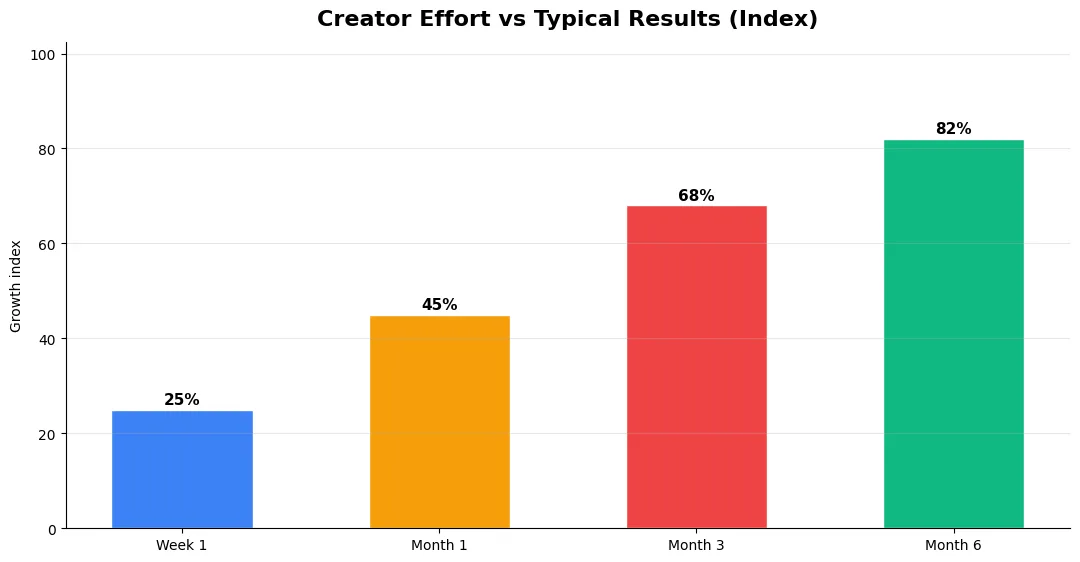
Start by defining one clear outcome for every piece of content you publish. Map the viewer journey from the first frame to the subscribe or click action, and remove any step that does not move that journey forward. Batch your research, scripting, and B-roll capture so you are not context-switching between creative and administrative tasks every day.
Use a simple checklist before upload: title clarity, thumbnail readability on mobile, hook strength in the first three seconds, captions accuracy, and end-screen placement. Creators who treat upload as a quality gate—not a rush job—see compounding gains in retention and discovery over 2026.
| Level | Strategy | Typical outcome |
|---|---|---|
| Beginner approach | Copy trends blindly | Low retention, no brand |
| Structured approach | Test hooks + analyze data | Steady growth |
| Pro approach | Series + community loop | Higher LTV audience |
Which pays more: YouTube Memberships or Patreon in 2026?
Can I use YouTube Memberships and Patreon together?
Do YouTube Memberships help with monetization beyond fan funding?
What is the main downside of Patreon for YouTube-first creators?
Final Verdict — Youtube Memberships Vs Patreon Which in 2026
Success with youtube memberships vs patreon which comes from clarity, consistency, and honest delivery on every title and thumbnail promise. Use the step-by-step workflow, avoid the common mistakes above, and measure retention before chasing viral spikes. Small weekly improvements compound into channel growth that lasts beyond a single trending moment.
Also Read: