
Product review videos YouTube audiences trust do more than describe features—they reduce decision friction and show real use. If you want reviews that convert, you need a repeatable format, honest disclosure, and proof that you actually lived with the product. This article covers structure, credibility signals, and placement of offers so viewers move from curiosity to action without feeling pushed. Strong reviews balance entertainment with utility and make the next step obvious.
This guide covers how to make product review in plain language for creators in India, the US, the UK, and global audiences. Whether you are starting out or refining a channel that already earns views, the frameworks below help you work smarter—not just post more often. Read through the charts and comparison table, then apply one change per week so improvements stick.
Choose a Review Format That Matches Buyer Intent
Match your video to where people are in the journey. First-impression unboxings attract browsers; long-term tests convince skeptics; comparison videos capture shoppers who are already weighing options. State who the product is for—and who it is not for—early. That clarity builds trust faster than hype. Mention price context when it helps viewers decide, and avoid burying the verdict behind ten minutes of specs. For channel-wide context, read every YouTube content format explained so reviews sit alongside tutorials and vlogs in a coherent plan.
Build Trust Before You Pitch
Disclose sponsorships and affiliate relationships in both speech and description. Show the product in real environments, capture limitations, and explain return or support experiences when relevant. B-roll of genuine use beats spec recitation. When you monetize through affiliates, align with the YouTube Shopping and affiliate program guide for creators so links, tagging, and policies stay compliant and viewers know what clicking costs them—in time or money.
Product Review Videos YouTube Viewers Finish and Act On
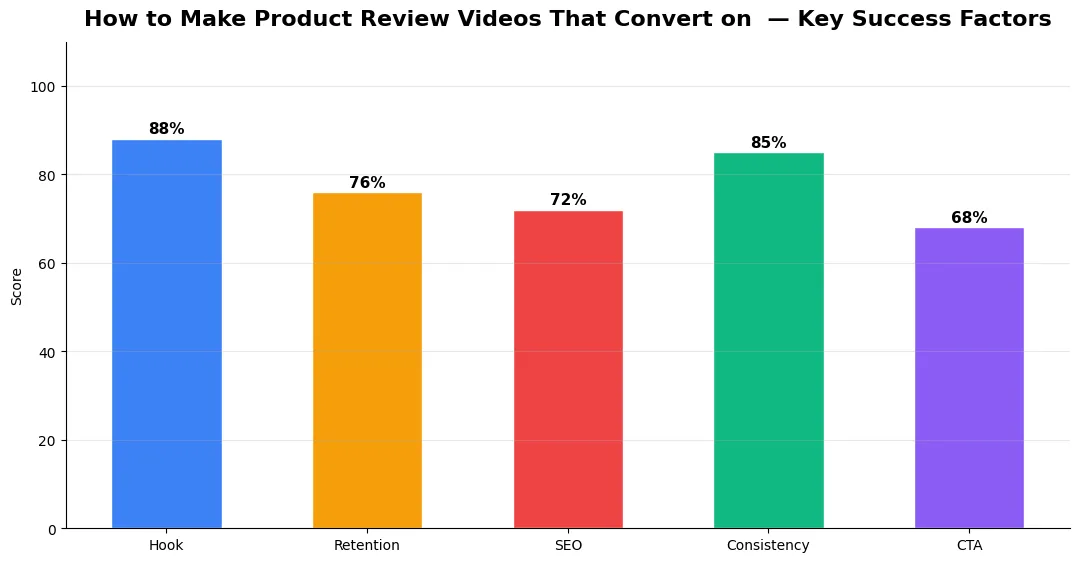
Structure helps retention: hook with the verdict tension (“Is this worth it?”), segment by use case, then summarize pros, cons, and best alternatives. Timestamps and chapter markers help busy viewers. End with one primary CTA—your top link or comparison resource—not five competing buttons. Repeat the bottom-line verdict near the end for people who skipped ahead. Tie revenue strategy to the YouTube monetization guide for creators in 2026 so ads, affiliates, and memberships support rather than distract from the review’s core promise.
Thumbnails, Titles, and Proof Elements
Titles should echo the exact question searchers type. Thumbnails that show the product, your face, and a readable tension line outperform generic pack shots. Include proof: receipts, wear marks after weeks of use, or side-by-side metrics. Refresh pinned comments with updates if firmware or pricing changes. That ongoing accuracy signals integrity and keeps conversions steady over time. Seasonal refreshes—holiday gift guides or back-to-school picks—let you reuse frameworks while keeping examples current for subscribers and search. Small metadata updates on evergreen reviews can revive impressions when specs or pricing shift.
| Review type | Viewer goal | Conversion lever |
|---|---|---|
| Unboxing / first look | Curiosity, novelty | Fast verdict + who should skip |
| Long-term test | Risk reduction | Wear, bugs, support story |
| Vs. competitor | Choice support | Clear scoring or use-case matrix |
| Budget tier roundup | Value hunting | Honorable mentions + one top pick |
Advanced Tips for Competitive Niches
In saturated niches, specificity wins. Narrow your positioning until you can describe your ideal viewer in one sentence, then speak directly to that person in every title and hook. Collaborate with adjacent creators whose audiences overlap but are not identical—this expands reach without diluting brand identity.
Repurpose top performers into Shorts, community posts, and newsletter snippets to extract more value from proven ideas. Update evergreen videos when platforms change features; refreshed metadata and a pinned comment with the latest link can revive older assets.
Step-by-Step Workflow for 2026
Start by defining one clear outcome for every piece of content you publish. Map the viewer journey from the first frame to the subscribe or click action, and remove any step that does not move that journey forward. Batch your research, scripting, and B-roll capture so you are not context-switching between creative and administrative tasks every day.
Use a simple checklist before upload: title clarity, thumbnail readability on mobile, hook strength in the first three seconds, captions accuracy, and end-screen placement. Creators who treat upload as a quality gate—not a rush job—see compounding gains in retention and discovery over 2026.
Measuring Success — Metrics That Matter
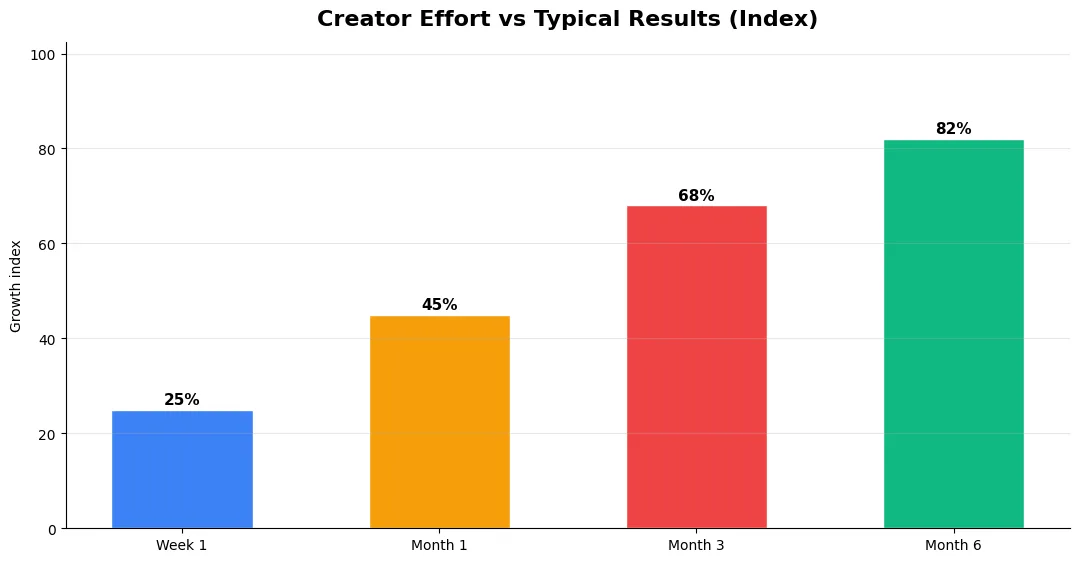
Track average view duration and audience retention before raw view count. Rising retention tells you the content matches the promise of your title and thumbnail; falling retention signals a hook or pacing problem. Monitor click-through rate separately—high CTR with low retention usually means the packaging oversold the video.
For growth channels, watch subscriber conversion per thousand views and returning viewer percentage. For monetized channels, revenue per mille and watch time from high-value geographies matter more than viral spikes from low-monetization regions. Set monthly targets for two metrics only; too many KPIs dilute focus.
| Level | Strategy | Typical outcome |
|---|---|---|
| Beginner approach | Copy trends blindly | Low retention, no brand |
| Structured approach | Test hooks + analyze data | Steady growth |
| Pro approach | Series + community loop | Higher LTV audience |
How long should a product review video be on YouTube?
Long enough to prove your claims—often eight to twenty minutes for complex gear, shorter for simple items. Prioritize proof and structure over arbitrary length.
Do product review videos YouTube channels need affiliate links?
They help when relevant, but trust comes first. Disclose relationships clearly and only recommend what you would suggest without commission.
How do I improve review conversion without feeling salesy?
Lead with problems solved, show real use, give cons, then offer one clear next step such as a comparison article or official product page.
Should I compare products in every review?
Not always. Comparisons help high-consideration purchases; single-product deep dives work when intent is already focused on one model.
Final Verdict — How To Make Product Review in 2026
Success with how to make product review comes from clarity, consistency, and honest delivery on every title and thumbnail promise. Use the step-by-step workflow, avoid the common mistakes above, and measure retention before chasing viral spikes. Small weekly improvements compound into channel growth that lasts beyond a single trending moment.
Also Read: