Brand deals often beat AdSense for mid-size channels, yet pricing stays opaque. A clear fee method, tight media kit, and calm negotiation beat guessing from subscribers alone. Here is how to set a starting rate, choose flat versus CPM-style deals, and spot bad contract terms. Context: YouTube monetization guide (2026), beyond ad revenue, and YouTube SEO (2026) for rates supported by reach.
This guide covers how to negotiate youtube sponsorship in plain language for creators in India, the US, the UK, and global audiences. Whether you are starting out or refining a channel that already earns views, the frameworks below help you work smarter—not just post more often. Read through the charts and comparison table, then apply one change per week so improvements stick.
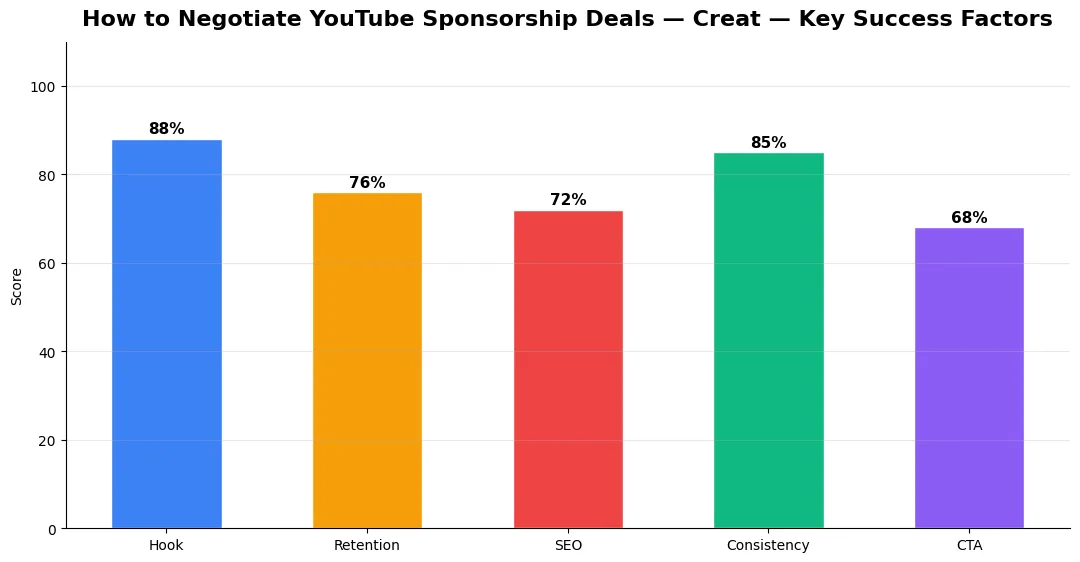
How to calculate your sponsorship starting rate
Begin with expected views, not subscribers alone. Take your last ten relevant uploads, drop outliers, and average stable views in the first 30 days. Multiply by your target CPM substitute—many creators start near what a performance marketer might pay for qualified reach, then adjust for integration depth (mention, dedicated segment, or full video). Add a premium if you must reject other sponsors in the same category or rebuild a script from scratch. If you lack history, use conservative projections and include a performance clause instead of guessing wildly. Round numbers to clean packages brands can approve fast, such as a clear fee for one 90-second integration plus two revisions.
Flat fee vs CPM-style pricing
Flat fees are simple for finance and tax planning; CPM or bonus tiers align incentives when the brand cares about scale and you expect the video to travel. Hybrid deals—base fee plus a view bonus—often satisfy both sides. Avoid unlimited revisions for a flat $200; scope deliverables in writing: one integrated 60-second segment, two story frames, one round of script edits, 30-day whitelisting, and clear usage rights. When brands ask for raw files or perpetual global rights, raise the fee or narrow the license.
Media kit essentials and negotiation tactics
Your media kit should show audience geography, age split, average view duration on sponsored versus organic videos, and three case studies with honest results. Lead with the problem you solve for advertisers—awareness in a niche, demos that convert, or trust with parents—rather than vanity metrics alone. In negotiation, anchor with a range, stay silent after you quote, and trade concessions: a lower fee for a longer payment term is a bad trade; a modest discount for a three-video commitment can be smart. Always confirm FTC or ASCI-style disclosure requirements up front.
Red flags and pricing by subscriber band (illustrative)
| Subscriber band (illustrative) | Typical integrated mention range (USD) | Watch-outs |
|---|---|---|
| 10k–50k | $200–$1,500 | High variance by niche; finance > generic vlog |
| 50k–200k | $800–$6,000 | Brands may push for exclusivity—charge for it |
| 200k–1M | $3,000–$25,000 | Demand net-30 or milestone payments |
| 1M+ | Custom quotes | Legal review for indemnity clauses |
Red flags include vague deliverables, “exposure”-only offers, automatic renewals, uncapped reshoot duties, and moral rights grabs. Walk away or counter in writing when those appear. A one-page scope attachment beats a handshake when a campaign spans multiple videos or regions.
Conclusion: Price from projected views, write scope in plain language, and charge for exclusivity and usage. Hybrid deals and an honest media kit keep 2026 brand money fair without underselling your channel. When terms feel vague, pause and rewrite—clarity protects both sides more than a rushed signature.
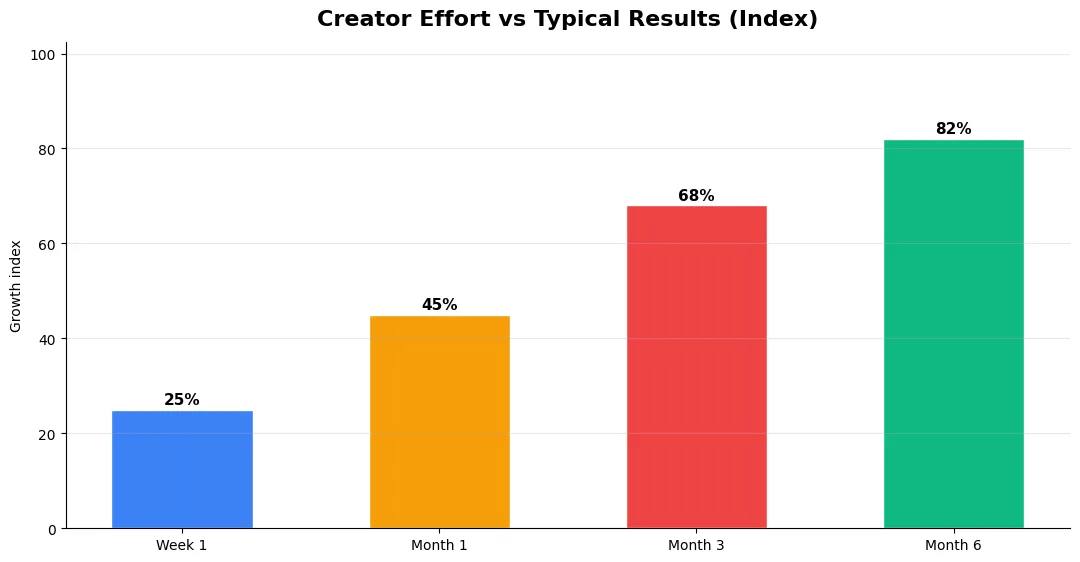
Common Mistakes to Avoid in 2026
The fastest way to stall growth is copying trends without adapting them to your niche voice. Another frequent error is optimizing only for views while ignoring audience fit, which inflates vanity metrics but hurts monetization and brand deals later. Avoid posting on inconsistent schedules; algorithms and audiences both reward predictable cadence.
Do not neglect analytics review. Spend thirty minutes weekly on retention curves, traffic sources, and click-through rate on thumbnails. Small iterative fixes—tighter hooks, clearer titles, better pacing—often outperform chasing entirely new formats every week.
Tools and Resources That Save Time
Invest in lightweight tools that reduce friction: a caption workflow, a thumbnail template system, and a title/description helper so metadata stays consistent. The YT Title Description Generator app helps you draft SEO-friendly titles and descriptions quickly when you batch-upload multiple videos.
Keep a swipe file of hooks, titles, and thumbnails that performed well in your niche—not to copy, but to analyze patterns. Pair that with YouTube Studio analytics and one external keyword or trend tool so creative decisions stay grounded in data.
Step-by-Step Workflow for 2026
Start by defining one clear outcome for every piece of content you publish. Map the viewer journey from the first frame to the subscribe or click action, and remove any step that does not move that journey forward. Batch your research, scripting, and B-roll capture so you are not context-switching between creative and administrative tasks every day.
Use a simple checklist before upload: title clarity, thumbnail readability on mobile, hook strength in the first three seconds, captions accuracy, and end-screen placement. Creators who treat upload as a quality gate—not a rush job—see compounding gains in retention and discovery over 2026.
Advanced Tips for Competitive Niches
In saturated niches, specificity wins. Narrow your positioning until you can describe your ideal viewer in one sentence, then speak directly to that person in every title and hook. Collaborate with adjacent creators whose audiences overlap but are not identical—this expands reach without diluting brand identity.
Repurpose top performers into Shorts, community posts, and newsletter snippets to extract more value from proven ideas. Update evergreen videos when platforms change features; refreshed metadata and a pinned comment with the latest link can revive older assets.
| Level | Strategy | Typical outcome |
|---|---|---|
| Beginner approach | Copy trends blindly | Low retention, no brand |
| Structured approach | Test hooks + analyze data | Steady growth |
| Pro approach | Series + community loop | Higher LTV audience |
How do I price my first YouTube sponsorship?
Is flat fee or CPM better for brand deals?
What should a YouTube media kit include?
What contract terms are red flags for creators?
Final Verdict — How To Negotiate Youtube Sponsorship in 2026
Success with how to negotiate youtube sponsorship comes from clarity, consistency, and honest delivery on every title and thumbnail promise. Use the step-by-step workflow, avoid the common mistakes above, and measure retention before chasing viral spikes. Small weekly improvements compound into channel growth that lasts beyond a single trending moment.
Also Read: