YouTube made more changes to its creator ecosystem in early 2026 than it did in all of 2024. From a fully revamped algorithm to AI-powered creation tools, new monetization features, and stricter content policies, the platform looks fundamentally different than it did 12 months ago. This is your complete guide to every major YouTube platform change affecting creators in 2026 — what happened, what it means for your channel, and how to adapt.
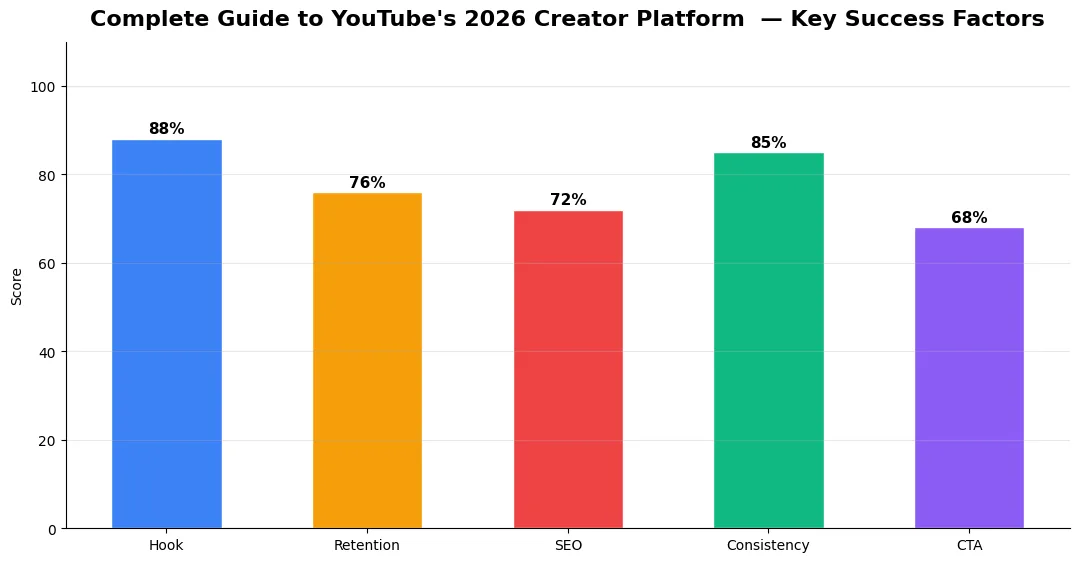
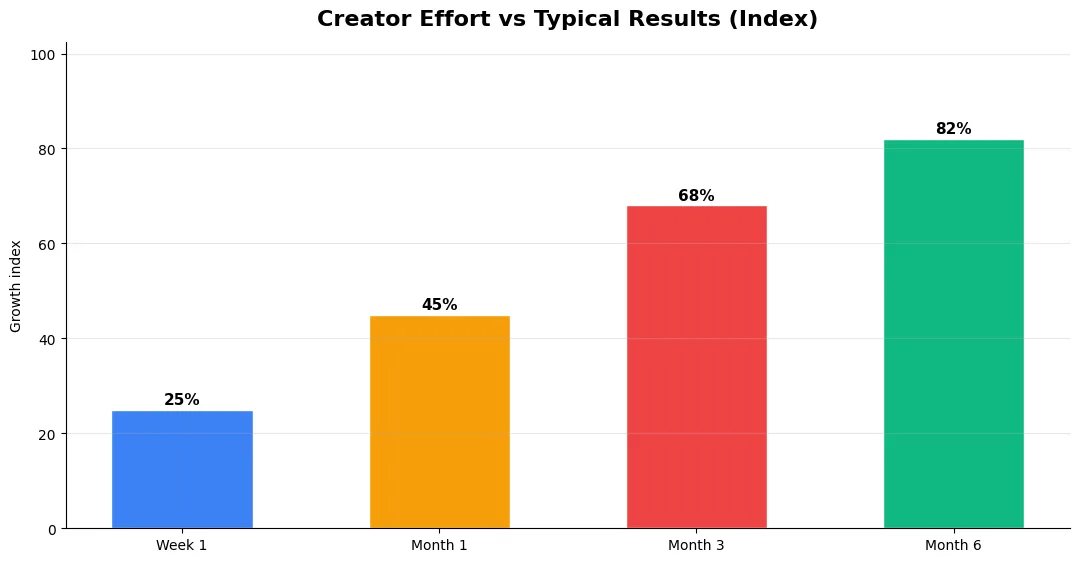
This guide covers complete guide to youtubes 2026 in plain language for creators in India, the US, the UK, and global audiences. Whether you are starting out or refining a channel that already earns views, the frameworks below help you work smarter—not just post more often. Read through the charts and comparison table, then apply one change per week so improvements stick.
YouTube’s 2026 Algorithm: Content Sequencing and Momentum
The biggest change is how YouTube evaluates your content. The algorithm no longer judges each video in isolation. Instead, it tracks how viewers move across your entire content ecosystem — Shorts, long-form videos, Community posts, and polls. When you chain content types strategically, YouTube triggers a “momentum multiplier” that pushes your next upload to a broader test audience. Creators who adopted content sequencing strategies early are reporting 30-50% more impressions. The days of posting randomly and hoping for the best are officially over.
AI Creation Tools Built Into YouTube Studio
YouTube now has AI tools baked directly into Studio. The headline feature is the AI Shorts Generator — a tool that creates Shorts using your own digital likeness from a simple text prompt. You train a model with 3-5 minutes of footage, and the AI generates 30-60 second Shorts of your digital self delivering any script you type. It’s free for YPP members with 10K+ subscribers, with broader rollout planned for Q3 2026. YouTube also introduced AI-generated music, text-to-game creation tools, and Dream Screen backgrounds for Shorts.
But there’s a catch: YouTube is simultaneously cracking down on AI slop. Channels that mass-produce low-quality AI content without adding human value face reduced visibility, demonetization, or termination. The message is clear — use AI as your assistant, not your replacement.
Monetization Expansion: Jewels, Shopping, and Beyond
YouTube replaced Super Chat and Super Thanks with a new Jewels and Gifts system that adds gamification to fan funding. Viewers earn badges for gifting, and creators keep 70% of revenue. YouTube Shopping got in-app checkout — viewers can buy tagged products without leaving the app, with creators earning 5-15% affiliate commissions. The platform reports 5x year-over-year growth in Shopping GMV. Channel memberships expanded to 6 tiers, and the new Brand Partnership Hub connects creators directly with sponsors.
Auto-Dubbing and Global Reach
The auto-dubbing feature now supports 40+ languages and is free for all YPP members. It creates an AI voice clone that translates and dubs your videos automatically. Creators report 20-40% view increases from international audiences. For Indian creators specifically, this means your English content can reach Hindi, Tamil, Telugu, Bengali, and Marathi audiences — and vice versa — without recording separate videos.
Content Format Shifts: Shorts Integration and Series Content
YouTube is pushing creators toward episodic, series-style content that competes with streaming services. The algorithm now recognizes series patterns and actively recommends next episodes. Micro-drama Shorts — scripted 30-60 second stories with cliffhangers — saw 126% YoY growth. Image posts are being integrated into the Shorts feed. YouTube Stories were officially retired, with the platform steering creators toward Shorts and Community posts instead.
2026 YouTube Platform Changes at a Glance
| Area | What Changed | Impact on Creators |
|---|---|---|
| Algorithm | Content sequencing + momentum multiplier | Rewards strategic content chaining |
| AI Tools | Shorts generator, Dream Screen, AI music | Faster content production |
| AI Policy | Slop crackdown + mandatory AI labels | Must add human value to AI content |
| Monetization | Jewels, Shopping checkout, 6-tier memberships | More diverse revenue streams |
| Dubbing | 40+ language auto-dubbing | 20-40% more views from global audiences |
| Content | Series recognition, micro-dramas, image posts | Episodic content gets algorithmic boost |
| Safety | Parental controls, supervised accounts, Shorts time limits | Family creators must adapt |
| Analytics | Engaged views metric, improved real-time data | Better performance tracking |
Policy and Safety Updates
YouTube expanded parental controls with the ability to set time limits on Shorts for supervised accounts. The platform tightened rules on reused content — channels that primarily repackage existing videos without adding significant value now face demonetization faster. Copyright claim handling got an overhaul with a more transparent dispute system. And AI-generated content must be labeled — this is mandatory and enforced through YouTube’s detection systems.
Final Verdict
YouTube’s 2026 changes reward creators who think strategically about content ecosystems rather than individual videos. The platform is pushing toward quality, authenticity, and diversified revenue. Creators who adapt to content sequencing, embrace AI as a tool (not a crutch), enable auto-dubbing, and diversify beyond ad revenue will thrive. Those who keep doing what worked in 2024 will fall behind — the platform has moved on, and your strategy needs to move with it.
Common Mistakes to Avoid in 2026
The fastest way to stall growth is copying trends without adapting them to your niche voice. Another frequent error is optimizing only for views while ignoring audience fit, which inflates vanity metrics but hurts monetization and brand deals later. Avoid posting on inconsistent schedules; algorithms and audiences both reward predictable cadence.
Do not neglect analytics review. Spend thirty minutes weekly on retention curves, traffic sources, and click-through rate on thumbnails. Small iterative fixes—tighter hooks, clearer titles, better pacing—often outperform chasing entirely new formats every week.
Tools and Resources That Save Time
Invest in lightweight tools that reduce friction: a caption workflow, a thumbnail template system, and a title/description helper so metadata stays consistent. The YT Title Description Generator app helps you draft SEO-friendly titles and descriptions quickly when you batch-upload multiple videos.
Keep a swipe file of hooks, titles, and thumbnails that performed well in your niche—not to copy, but to analyze patterns. Pair that with YouTube Studio analytics and one external keyword or trend tool so creative decisions stay grounded in data.
Step-by-Step Workflow for 2026
Start by defining one clear outcome for every piece of content you publish. Map the viewer journey from the first frame to the subscribe or click action, and remove any step that does not move that journey forward. Batch your research, scripting, and B-roll capture so you are not context-switching between creative and administrative tasks every day.
Use a simple checklist before upload: title clarity, thumbnail readability on mobile, hook strength in the first three seconds, captions accuracy, and end-screen placement. Creators who treat upload as a quality gate—not a rush job—see compounding gains in retention and discovery over 2026.
Measuring Success — Metrics That Matter
Track average view duration and audience retention before raw view count. Rising retention tells you the content matches the promise of your title and thumbnail; falling retention signals a hook or pacing problem. Monitor click-through rate separately—high CTR with low retention usually means the packaging oversold the video.
For growth channels, watch subscriber conversion per thousand views and returning viewer percentage. For monetized channels, revenue per mille and watch time from high-value geographies matter more than viral spikes from low-monetization regions. Set monthly targets for two metrics only; too many KPIs dilute focus.
| Level | Strategy | Typical outcome |
|---|---|---|
| Beginner approach | Copy trends blindly | Low retention, no brand |
| Structured approach | Test hooks + analyze data | Steady growth |
| Pro approach | Series + community loop | Higher LTV audience |
What are the biggest YouTube 2026 platform changes for creators?
Is YouTube banning AI-generated content in 2026?
How does YouTube’s content sequencing algorithm work?
Is YouTube auto-dubbing free for creators?
What happened to YouTube Stories in 2026?
Final Verdict — Complete Guide To Youtubes 2026 in 2026
Success with complete guide to youtubes 2026 comes from clarity, consistency, and honest delivery on every title and thumbnail promise. Use the step-by-step workflow, avoid the common mistakes above, and measure retention before chasing viral spikes. Small weekly improvements compound into channel growth that lasts beyond a single trending moment.
Also Read: