YouTube tags were once considered a critical ranking factor — creators would spend hours researching and stuffing dozens of tags into every upload. But the platform has evolved dramatically, and in 2026, the role of tags in YouTube’s discovery system is debated. Some creators swear by them, while others have abandoned tags entirely with no visible impact. This article examines the current state of YouTube tags, when they still provide value, and which alternatives deserve more of your attention.
This guide covers youtube tags do they still in plain language for creators in India, the US, the UK, and global audiences. Whether you are starting out or refining a channel that already earns views, the frameworks below help you work smarter—not just post more often. Read through the charts and comparison table, then apply one change per week so improvements stick.
The Original Purpose of YouTube Tags
Tags were introduced when YouTube’s algorithm relied heavily on text-based metadata to understand video content. They functioned like website meta keywords — helping the system categorize and match videos to search queries. Creators could gain an edge by including exact-match keywords and common misspellings. Over time, YouTube developed more sophisticated content understanding through natural language processing of titles and descriptions, automatic speech recognition, and visual analysis. As these technologies matured, the algorithm’s dependence on tags decreased steadily.
Do Tags Still Influence Rankings in 2026?
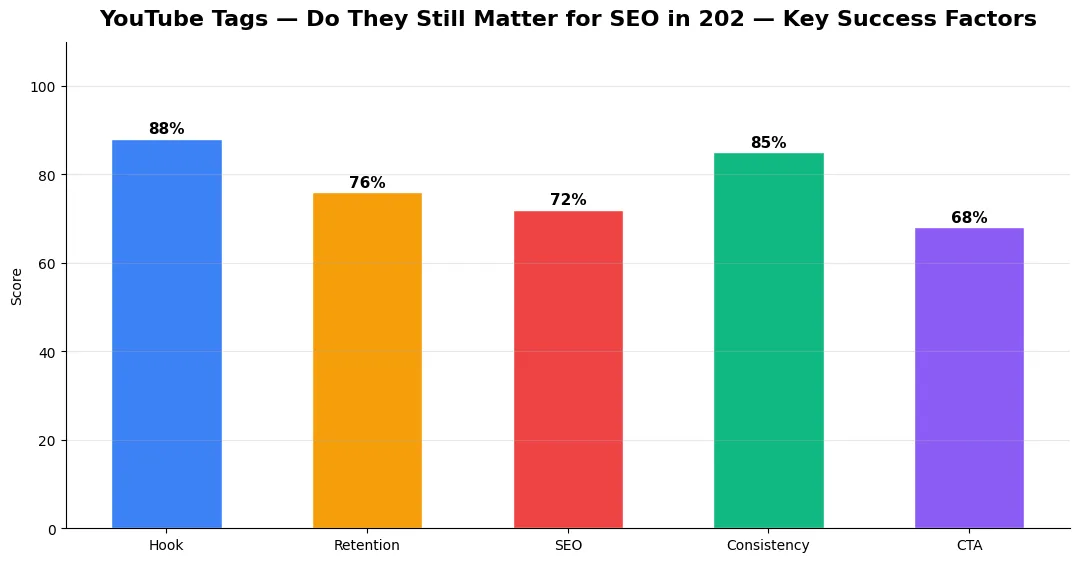
YouTube’s documentation describes tags as helpful for commonly misspelled content but acknowledges their minor role. Testing by creators and SEO analysts confirms that tags have low-to-negligible direct impact on search rankings. The algorithm now prioritizes engagement signals — watch time, CTR, and viewer satisfaction — far above metadata tags. That said, tags provide a small contextual signal for suggested video placements. For niche topics with fewer data points, tags can tip the balance. The practical advice: spend two minutes adding relevant tags but never prioritize them over titles, descriptions, or content quality.
Tags vs Other Ranking Factors — Comparison
| Factor | SEO Impact (2026) | Time Investment | Recommendation |
|---|---|---|---|
| Video title optimization | Very High | 5–10 min | Always optimize |
| Description with keywords | High | 10–15 min | Always optimize |
| Audience retention rate | Very High | Ongoing | Top priority |
| Click-through rate | Very High | 15–30 min | Always optimize |
| Tags | Low | 2–5 min | Add but don’t obsess |
| Hashtags in description | Low–Medium | 1–2 min | Use 3–5 relevant ones |
| Closed captions | Medium | 15–30 min | Worth the effort |
Smarter Alternatives to Tag Optimization
Instead of spending time on tag research, invest in strategies with a higher return. Start with thorough keyword research to identify phrases your audience actually searches for, then weave those keywords naturally into your title and description. Write descriptions of 200 words or more that provide genuine context. Use the YT Title Description Generator app to quickly produce optimized titles, descriptions, and tag sets from your phone. Focus on thumbnail design and study your analytics dashboards to understand which videos retain viewers and why. These efforts deliver far greater ranking improvements than any tag strategy. Remember, every minute you spend perfecting tags beyond the basics is a minute you could invest in higher-impact areas like content planning, audience research, or thumbnail design — all of which directly influence the engagement metrics that YouTube’s algorithm cares most about in 2026.
Measuring Success — Metrics That Matter
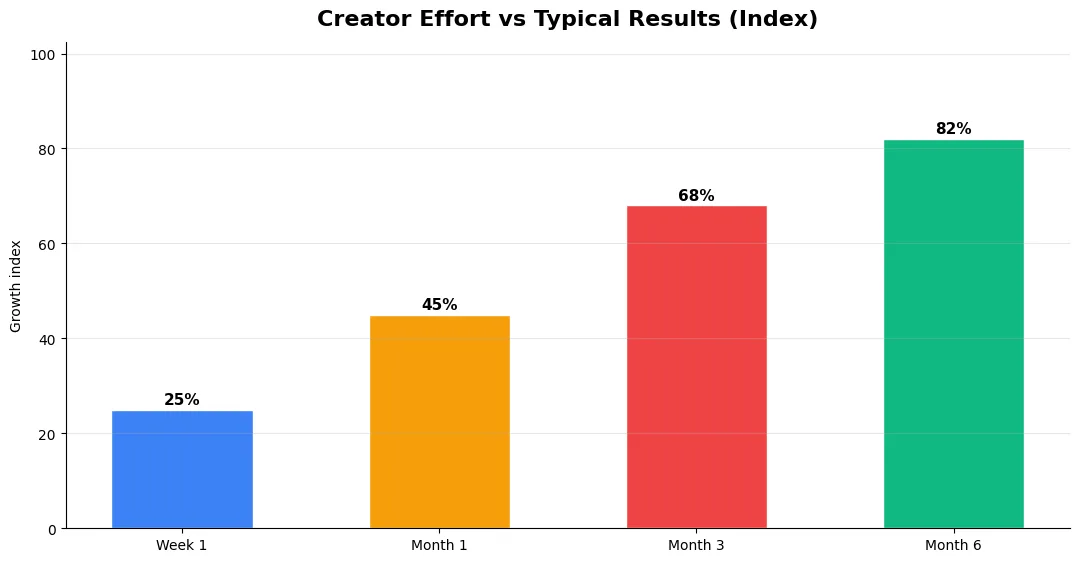
Track average view duration and audience retention before raw view count. Rising retention tells you the content matches the promise of your title and thumbnail; falling retention signals a hook or pacing problem. Monitor click-through rate separately—high CTR with low retention usually means the packaging oversold the video.
For growth channels, watch subscriber conversion per thousand views and returning viewer percentage. For monetized channels, revenue per mille and watch time from high-value geographies matter more than viral spikes from low-monetization regions. Set monthly targets for two metrics only; too many KPIs dilute focus.
Common Mistakes to Avoid in 2026
The fastest way to stall growth is copying trends without adapting them to your niche voice. Another frequent error is optimizing only for views while ignoring audience fit, which inflates vanity metrics but hurts monetization and brand deals later. Avoid posting on inconsistent schedules; algorithms and audiences both reward predictable cadence.
Do not neglect analytics review. Spend thirty minutes weekly on retention curves, traffic sources, and click-through rate on thumbnails. Small iterative fixes—tighter hooks, clearer titles, better pacing—often outperform chasing entirely new formats every week.
Advanced Tips for Competitive Niches
In saturated niches, specificity wins. Narrow your positioning until you can describe your ideal viewer in one sentence, then speak directly to that person in every title and hook. Collaborate with adjacent creators whose audiences overlap but are not identical—this expands reach without diluting brand identity.
Repurpose top performers into Shorts, community posts, and newsletter snippets to extract more value from proven ideas. Update evergreen videos when platforms change features; refreshed metadata and a pinned comment with the latest link can revive older assets.
Step-by-Step Workflow for 2026
Start by defining one clear outcome for every piece of content you publish. Map the viewer journey from the first frame to the subscribe or click action, and remove any step that does not move that journey forward. Batch your research, scripting, and B-roll capture so you are not context-switching between creative and administrative tasks every day.
Use a simple checklist before upload: title clarity, thumbnail readability on mobile, hook strength in the first three seconds, captions accuracy, and end-screen placement. Creators who treat upload as a quality gate—not a rush job—see compounding gains in retention and discovery over 2026.
| Level | Strategy | Typical outcome |
|---|---|---|
| Beginner approach | Copy trends blindly | Low retention, no brand |
| Structured approach | Test hooks + analyze data | Steady growth |
| Pro approach | Series + community loop | Higher LTV audience |
How many tags should I add to a YouTube video in 2026?
Can using wrong tags get my video penalized?
Are hashtags better than tags for YouTube SEO?
Do tags help with YouTube Shorts?
Final Verdict — Youtube Tags Do They Still in 2026
Success with youtube tags do they still comes from clarity, consistency, and honest delivery on every title and thumbnail promise. Use the step-by-step workflow, avoid the common mistakes above, and measure retention before chasing viral spikes. Small weekly improvements compound into channel growth that lasts beyond a single trending moment.
Also Read: