Family and kids creators are navigating a sharper line between fun content and platform safety in 2026. YouTube has tightened how teens watch Shorts, expanded supervised accounts, and limited some material for viewers under 18. If your audience includes parents and children, these shifts affect watch time, discovery, and how you frame topics. This guide breaks down what changed, how it compares to earlier rules, and practical steps to stay compliant while still growing your channel.
This guide covers youtubes new parental controls what in plain language for creators in India, the US, the UK, and global audiences. Whether you are starting out or refining a channel that already earns views, the frameworks below help you work smarter—not just post more often. Read through the charts and comparison table, then apply one change per week so improvements stick.
Shorts time limits and teen viewing
YouTube has introduced stricter session and daily limits for Shorts among teen accounts in several regions, aiming to reduce endless scrolling. For family creators, that means peak Shorts traffic may shift toward evenings or weekends when parents approve longer sessions. Pacing matters: hook viewers in the first second, but also consider whether your Shorts series encourages healthy viewing habits. Aligning your publishing with content sequencing strategies can help maintain reach even when individual sessions are shorter.
Supervised accounts and under-18 restrictions
Supervised accounts let parents set content filters, search limits, and now more granular controls over recommended videos. Certain categories—such as some news, mature themes, or intense challenge formats—may be hidden or down-ranked for minors even when the video is not age-restricted for adults. Family channels should review thumbnails, titles, and opening lines for accidental “adult-adjacent” signals. For a wider view of platform direction, see the YouTube 2026 creator platform changes guide, which ties policy updates to growth tactics.
Parental tools roll out at different speeds by country, so avoid assuming one global experience. Short disclaimers on challenges or outdoor activities keep caregivers informed without slowing the fun.
How family and kids channels should adapt
Double down on clarity: state your audience in the first lines, avoid clickbait that implies danger or conflict, and keep comments moderated. Consider longer-form videos for deeper storytelling when Shorts caps bite engagement. Cross-promote responsibly and document any sponsored segments so parents trust your brand. Channels that blend education and entertainment often weather policy waves better because their intent reads clearly to both algorithms and guardians.
Old policies versus 2026 controls
Previously, teen Shorts limits were lighter and supervised accounts offered fewer levers. Today, defaults skew toward shorter teen sessions, broader content gating for minors, and more parent-facing dashboards. Weak audience signals can mean lower distribution among family accounts without a formal strike.
| Area | Earlier typical approach | 2026 emphasis |
|---|---|---|
| Teen Shorts viewing | Looser daily caps; fewer nudges to stop | Stricter time limits and break reminders in more regions |
| Supervised accounts | Basic filters and whitelists | Richer parental dashboards and recommendation tuning |
| Under-18 content surfacing | Broad kids’ mix in Family Link flows | More categories filtered or deprioritized for minors |
| Creator responsibility | Title/thumbnail guidelines | Stronger alignment of packaging with true audience and tone |
Policy enforcement also overlaps with how YouTube treats repetitive or low-originality clips. If you repackage trending clips without added context, review the AI and “slop” crackdown overview so your family edits stay on the right side of quality rules.
Also read
Measuring Success — Metrics That Matter
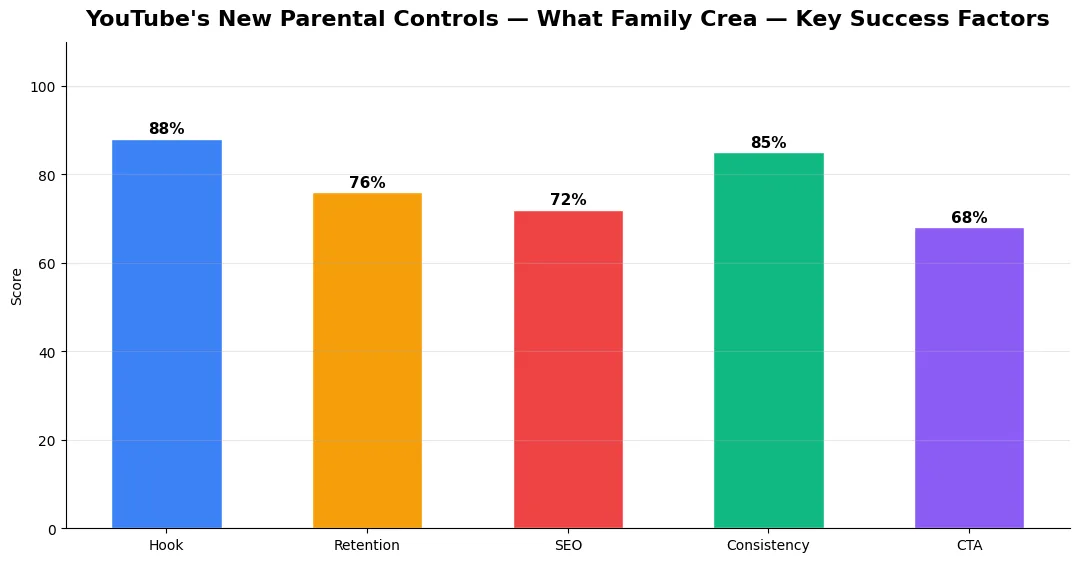
Track average view duration and audience retention before raw view count. Rising retention tells you the content matches the promise of your title and thumbnail; falling retention signals a hook or pacing problem. Monitor click-through rate separately—high CTR with low retention usually means the packaging oversold the video.
For growth channels, watch subscriber conversion per thousand views and returning viewer percentage. For monetized channels, revenue per mille and watch time from high-value geographies matter more than viral spikes from low-monetization regions. Set monthly targets for two metrics only; too many KPIs dilute focus.
Step-by-Step Workflow for 2026
Start by defining one clear outcome for every piece of content you publish. Map the viewer journey from the first frame to the subscribe or click action, and remove any step that does not move that journey forward. Batch your research, scripting, and B-roll capture so you are not context-switching between creative and administrative tasks every day.
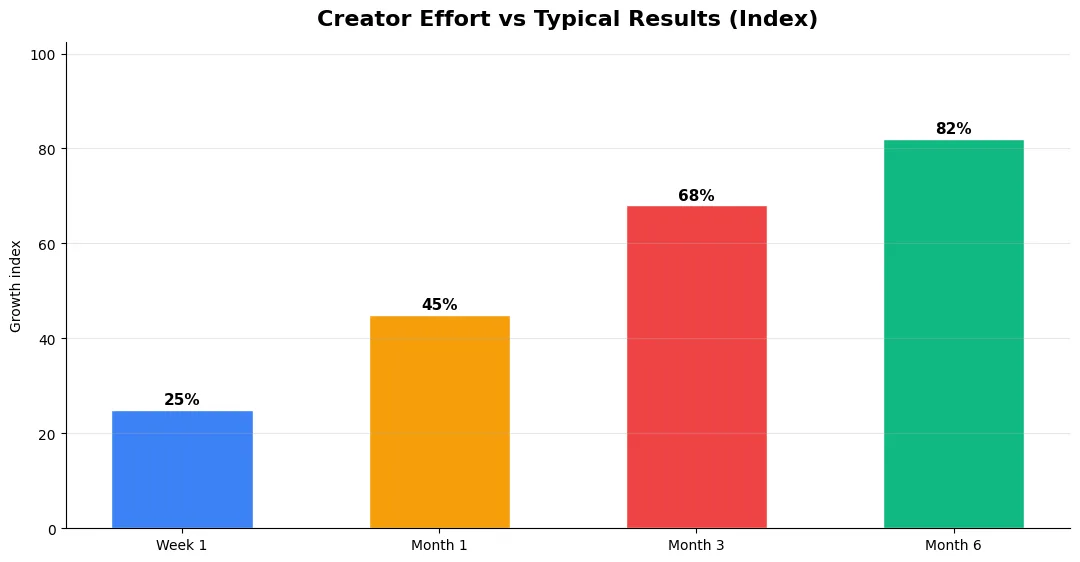
Use a simple checklist before upload: title clarity, thumbnail readability on mobile, hook strength in the first three seconds, captions accuracy, and end-screen placement. Creators who treat upload as a quality gate—not a rush job—see compounding gains in retention and discovery over 2026.
Advanced Tips for Competitive Niches
In saturated niches, specificity wins. Narrow your positioning until you can describe your ideal viewer in one sentence, then speak directly to that person in every title and hook. Collaborate with adjacent creators whose audiences overlap but are not identical—this expands reach without diluting brand identity.
Repurpose top performers into Shorts, community posts, and newsletter snippets to extract more value from proven ideas. Update evergreen videos when platforms change features; refreshed metadata and a pinned comment with the latest link can revive older assets.
Common Mistakes to Avoid in 2026
The fastest way to stall growth is copying trends without adapting them to your niche voice. Another frequent error is optimizing only for views while ignoring audience fit, which inflates vanity metrics but hurts monetization and brand deals later. Avoid posting on inconsistent schedules; algorithms and audiences both reward predictable cadence.
Do not neglect analytics review. Spend thirty minutes weekly on retention curves, traffic sources, and click-through rate on thumbnails. Small iterative fixes—tighter hooks, clearer titles, better pacing—often outperform chasing entirely new formats every week.
| Level | Strategy | Typical outcome |
|---|---|---|
| Beginner approach | Copy trends blindly | Low retention, no brand |
| Structured approach | Test hooks + analyze data | Steady growth |
| Pro approach | Series + community loop | Higher LTV audience |
Do new teen Shorts limits reduce revenue for family creators?
They can lower total watch time among teen viewers, but diversified formats—long-form, playlists, and community updates—often offset the dip. Advertisers still bid on family-safe inventory when packaging is clear.
Should I label my channel as “made for kids” if I talk to parents too?
Use YouTube’s audience setting honestly. Mixed-audience content may need careful wording; when in doubt, consult YouTube’s help center and consider legal advice for COPPA-related questions.
Will supervised accounts block my videos entirely?
Not automatically. Parents choose filters; some videos are limited for minors based on topic, metadata, and platform classifiers rather than a full channel block.
What is the fastest fix if my family content loses reach?
Audit titles, thumbnails, and first 30 seconds for unintended mature cues, refresh metadata, and lean into transparent, parent-friendly descriptions while staying inside community guidelines.
Parental controls in 2026 reward creators who communicate clearly with both kids and caregivers. Refresh your packaging, diversify beyond endless Shorts loops, and treat policy updates as a prompt to tighten trust—not panic. Small, consistent improvements usually restore momentum faster than chasing viral spikes alone.
Final Verdict — Youtubes New Parental Controls What in 2026
Success with youtubes new parental controls what comes from clarity, consistency, and honest delivery on every title and thumbnail promise. Use the step-by-step workflow, avoid the common mistakes above, and measure retention before chasing viral spikes. Small weekly improvements compound into channel growth that lasts beyond a single trending moment.
Also Read: