Growing an ASMR YouTube channel 2026 audience means competing with similar triggers and whisper tropes, yet saturation is a filter, not a wall. Winning channels lock a sensory signature, disciplined audio chain, and upload rhythm that rewards repeat listening. Below is a practical map for sub-niches, production choices, and ethical differentiation. Consistency matters: familiar room tone, mic distance, and cadence signal “your” show before the first trigger lands.
This guide covers asmr on youtube how to in plain language for creators in India, the US, the UK, and global audiences. Whether you are starting out or refining a channel that already earns views, the frameworks below help you work smarter—not just post more often. Read through the charts and comparison table, then apply one change per week so improvements stick.
Sub-Niches That Still Find Room in 2026
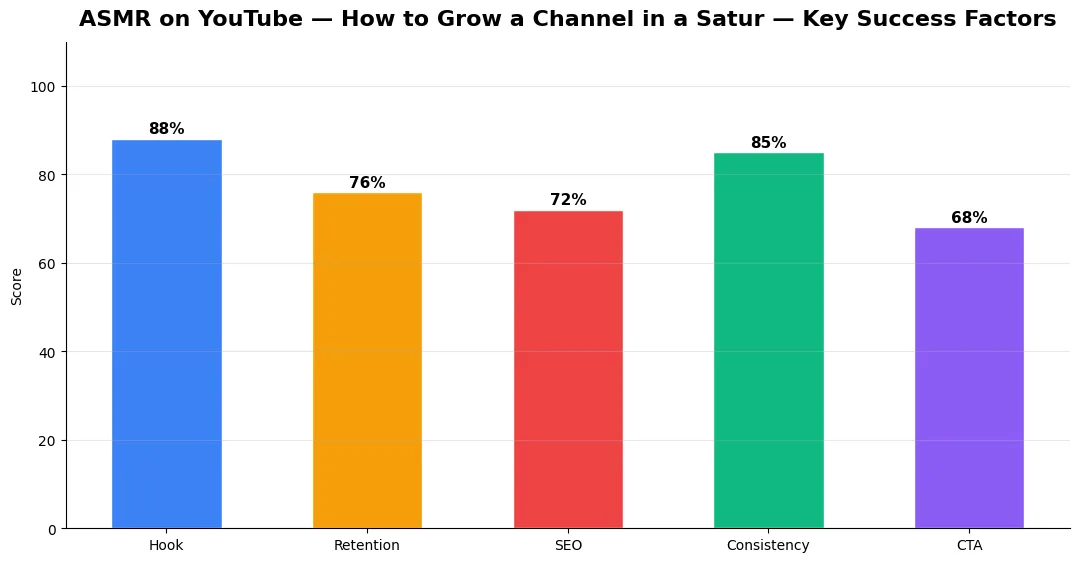
Broad “relaxation” tags overlap heavily; tighter angles—restoration roleplay, niche crafts, language learning whispers, or ultra-specific environments—give search and suggested video clearer intent. Pair your angle with a repeatable set piece so viewers know what sleep playlist they are choosing, and name that set piece in titles so fans can find the sequel. For how different formats support habit and loyalty, compare notes with every YouTube content format explained. Audio-forward formats also overlap with long conversational shows; see our YouTube podcast guide for 2026 if you blend soft-spoken interviews with traditional triggers.
Sound Chain, Room, and Trigger Design
Consistency beats novelty when listeners use you as a sleep or focus ritual. Treat noise floor, mic placement, and gain staging as part of your brand—sudden level jumps break immersion. Rotate triggers within a narrow palette so the channel feels cohesive rather than random. If you add subtle music beds or licensed ambience, plan levels so speech and object sounds stay primary; royalty-free choices are easier to manage when you plan ahead with best free music libraries for YouTube creators for any non-ASMR segments or outros.
Visual Identity Without Loud Editing
ASMR benefits from calm framing: stable camera, gentle handheld macro work, or fixed overhead rigs for craft videos. Thumbnails can still communicate texture—wood grain, brush bristles, packaging peel—without screaming saturation. Titles should name the trigger and scenario plainly; mystery titles often underperform because the click is an anxiety purchase, not a relaxation choice. Keep color grading soft and consistent so returning viewers feel the same “room” even when the prop kit changes. Avoid rapid zooms or hard cuts unless they serve the trigger; visual jarring works against the audio promise.
| Growth lever | Common mistake | Better approach |
|---|---|---|
| Positioning | “Relaxing ASMR” only | Named scenario + trigger set |
| Audio | Inconsistent levels | Master to a stable LUFS target per series |
| Upload rhythm | Random long gaps | Predictable night or weekend drops |
| Packaging | Generic faces | Texture-forward thumbs matching the sound |
ASMR YouTube Channel 2026: Standing Out Ethically
Avoid misleading medical claims; frame content as entertainment and personal experience. Disclose sponsorships gently in audio so they do not shatter the mood, and keep brand integrations aligned with calm pacing. Build community through pinned routines—weekly wind-down, study sessions—rather than aggressive calls to action. Long-term growth favors channels that respect the listener’s trust as much as their headphones. Track which sessions drive the longest average view duration versus which titles attract new listeners, then double down on the overlap so growth compounds instead of chasing one-off spikes that do not convert to playlist habits.
Step-by-Step Workflow for 2026
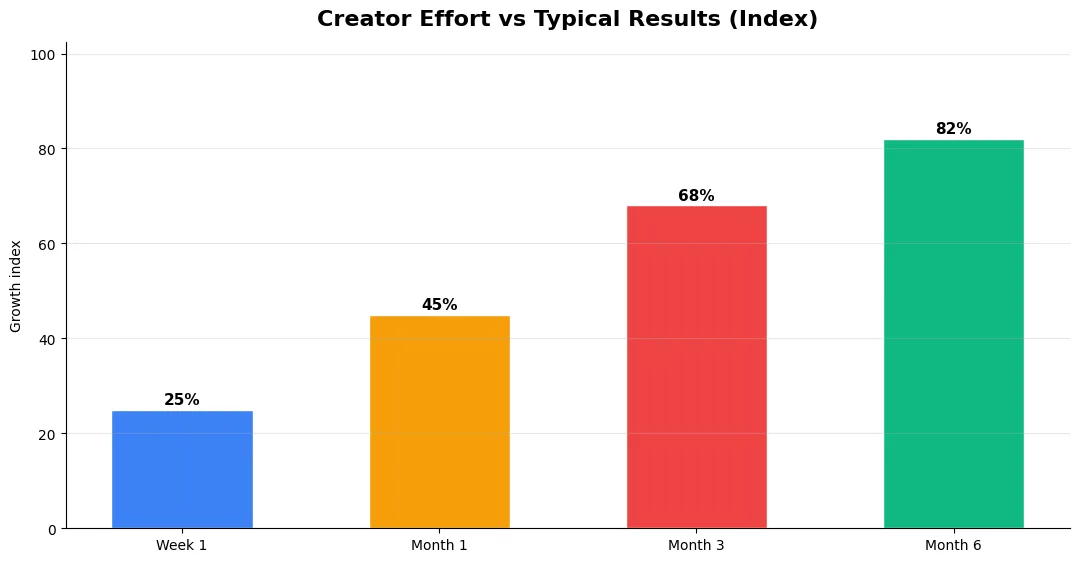
Start by defining one clear outcome for every piece of content you publish. Map the viewer journey from the first frame to the subscribe or click action, and remove any step that does not move that journey forward. Batch your research, scripting, and B-roll capture so you are not context-switching between creative and administrative tasks every day.
Use a simple checklist before upload: title clarity, thumbnail readability on mobile, hook strength in the first three seconds, captions accuracy, and end-screen placement. Creators who treat upload as a quality gate—not a rush job—see compounding gains in retention and discovery over 2026.
Common Mistakes to Avoid in 2026
The fastest way to stall growth is copying trends without adapting them to your niche voice. Another frequent error is optimizing only for views while ignoring audience fit, which inflates vanity metrics but hurts monetization and brand deals later. Avoid posting on inconsistent schedules; algorithms and audiences both reward predictable cadence.
Do not neglect analytics review. Spend thirty minutes weekly on retention curves, traffic sources, and click-through rate on thumbnails. Small iterative fixes—tighter hooks, clearer titles, better pacing—often outperform chasing entirely new formats every week.
Measuring Success — Metrics That Matter
Track average view duration and audience retention before raw view count. Rising retention tells you the content matches the promise of your title and thumbnail; falling retention signals a hook or pacing problem. Monitor click-through rate separately—high CTR with low retention usually means the packaging oversold the video.
For growth channels, watch subscriber conversion per thousand views and returning viewer percentage. For monetized channels, revenue per mille and watch time from high-value geographies matter more than viral spikes from low-monetization regions. Set monthly targets for two metrics only; too many KPIs dilute focus.
Advanced Tips for Competitive Niches
In saturated niches, specificity wins. Narrow your positioning until you can describe your ideal viewer in one sentence, then speak directly to that person in every title and hook. Collaborate with adjacent creators whose audiences overlap but are not identical—this expands reach without diluting brand identity.
Repurpose top performers into Shorts, community posts, and newsletter snippets to extract more value from proven ideas. Update evergreen videos when platforms change features; refreshed metadata and a pinned comment with the latest link can revive older assets.
| Level | Strategy | Typical outcome |
|---|---|---|
| Beginner approach | Copy trends blindly | Low retention, no brand |
| Structured approach | Test hooks + analyze data | Steady growth |
| Pro approach | Series + community loop | Higher LTV audience |
Is ASMR too saturated on YouTube in 2026?
The broad niche is crowded, but specific scenarios, crafts, languages, and hybrid formats still find audiences when audio quality and packaging are disciplined and repetitive in a good way.
What microphone setup suits an ASMR YouTube channel 2026 roadmap?
Start with a quiet room, a large-diaphragm condenser or popular binaural rig, and consistent placement. Treat foam, rugs, and door seals as part of the kit before buying more gear.
How long should ASMR videos be?
Long sleep aids often run an hour or more; focused roleplays can be twenty to forty minutes if pacing stays gentle. Match length to the promise in the title and thumbnail.
Can ASMR channels monetize well?
Yes, with brand-safe framing and consistent uploads. Some brands prefer soft integrations; others avoid the category, so diversify with memberships or aligned merchandise where appropriate.
Final Verdict — Asmr On Youtube How To in 2026
Success with asmr on youtube how to comes from clarity, consistency, and honest delivery on every title and thumbnail promise. Use the step-by-step workflow, avoid the common mistakes above, and measure retention before chasing viral spikes. Small weekly improvements compound into channel growth that lasts beyond a single trending moment.
Also Read: