Finding the right background music can make or break a YouTube video. The wrong track risks a copyright claim that demonetizes your content, while the right one elevates your storytelling and keeps viewers engaged. In this guide, we compare the best free music libraries available to YouTube creators in 2026 — covering licensing, genre variety, and ease of use — so you can score your videos without worry.
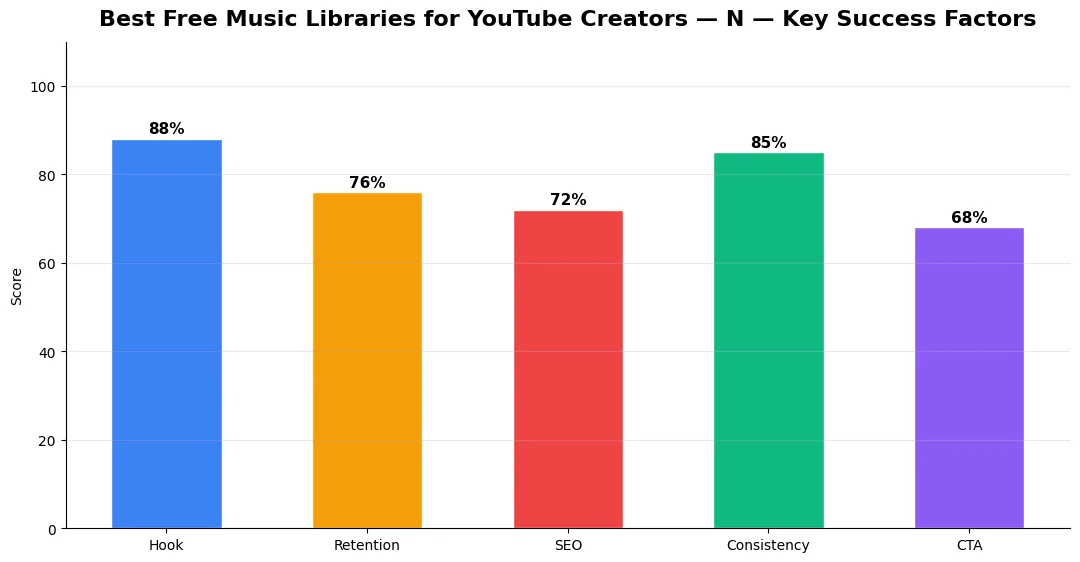
This guide covers best free music libraries for in plain language for creators in India, the US, the UK, and global audiences. Whether you are starting out or refining a channel that already earns views, the frameworks below help you work smarter—not just post more often. Read through the charts and comparison table, then apply one change per week so improvements stick.
YouTube Audio Library — The Built-In Option
YouTube’s own Audio Library remains the safest starting point. Accessible directly from YouTube Studio, it offers thousands of royalty-free tracks and sound effects. Every track is pre-cleared for YouTube use, so you will never face a copyright claim. The library is organized by genre, mood, instrument, and duration, making it easy to find what you need.
The downside is variety. While YouTube adds new music regularly, the selection can feel limited compared to dedicated platforms, especially for niche genres like lo-fi, cinematic orchestral, or upbeat electronic. Still, for creators who want zero risk and zero cost, it is hard to beat. Learn more about optimizing your full channel workflow in our script-to-upload creator toolkit guide.
NCS, Artlist Alternatives, and Epidemic Sound Free Tier
NoCopyrightSounds (NCS) is a favorite among gaming and vlog creators. All NCS tracks are free to use with proper credit in your video description. The catalog leans heavily toward electronic, EDM, and bass-heavy genres — perfect for energetic content but less suited for calm tutorials or storytelling videos.
Epidemic Sound introduced a limited free tier that lets creators use select tracks on YouTube with attribution. The full catalog requires a paid subscription, but the free selection is surprisingly good for short-form content. Artlist alternatives like Uppbeat and Mixkit offer generous free plans with high-quality tracks across multiple genres. Uppbeat gives you 10 free downloads per month, while Mixkit provides unlimited free downloads with a simple license.
Choosing the right library depends on your channel’s niche. If you create content around AI tools and tech reviews, you likely need modern, clean background music — Uppbeat and Epidemic Sound excel here.
Comparison — Free Music Libraries for YouTube Creators
| Library | Cost | Genre Variety | License Type | Best For |
|---|---|---|---|---|
| YouTube Audio Library | Free | Moderate | Royalty-free (no credit needed) | All creators |
| NCS | Free | Limited (electronic focus) | Free with credit | Gaming, vlogs |
| Epidemic Sound (free tier) | Free / Paid | Excellent | Attribution on free tier | Short-form, professional |
| Uppbeat | Free (10/month) / Paid | Good | Free with credit | Tech, lifestyle |
| Mixkit | Free | Good | Royalty-free | Tutorials, explainers |
Tips to Avoid Copyright Claims
Even with free libraries, mistakes happen. Always double-check the license terms before using any track. Some libraries require attribution in the video description — missing this step can trigger a claim. Download music directly from official sources rather than reuploaded versions on third-party sites. Keep a simple spreadsheet logging every track you use, its source, and license type so you have proof if a dispute arises.
If you are optimizing your videos for search alongside your music choices, our YouTube SEO complete guide covers everything from titles to tags.
Conclusion
Free music libraries have never been better for YouTube creators. Start with the YouTube Audio Library for safety, explore NCS and Uppbeat for variety, and always verify licensing terms before publishing. The right soundtrack keeps viewers watching longer and makes your content feel professional — without costing a rupee.
👉 Best Free AI Tools for YouTube Titles, Descriptions & Tags 2026
👉 YouTube 2026 Creator Platform Changes — Complete Guide
Advanced Tips for Competitive Niches
In saturated niches, specificity wins. Narrow your positioning until you can describe your ideal viewer in one sentence, then speak directly to that person in every title and hook. Collaborate with adjacent creators whose audiences overlap but are not identical—this expands reach without diluting brand identity.
Repurpose top performers into Shorts, community posts, and newsletter snippets to extract more value from proven ideas. Update evergreen videos when platforms change features; refreshed metadata and a pinned comment with the latest link can revive older assets.
Measuring Success — Metrics That Matter
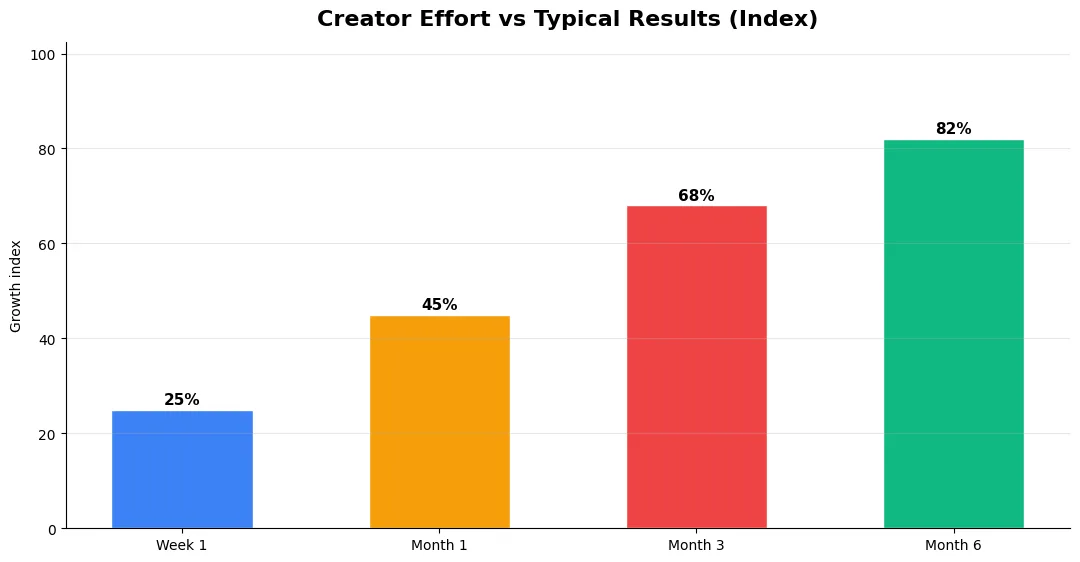
Track average view duration and audience retention before raw view count. Rising retention tells you the content matches the promise of your title and thumbnail; falling retention signals a hook or pacing problem. Monitor click-through rate separately—high CTR with low retention usually means the packaging oversold the video.
For growth channels, watch subscriber conversion per thousand views and returning viewer percentage. For monetized channels, revenue per mille and watch time from high-value geographies matter more than viral spikes from low-monetization regions. Set monthly targets for two metrics only; too many KPIs dilute focus.
Common Mistakes to Avoid in 2026
The fastest way to stall growth is copying trends without adapting them to your niche voice. Another frequent error is optimizing only for views while ignoring audience fit, which inflates vanity metrics but hurts monetization and brand deals later. Avoid posting on inconsistent schedules; algorithms and audiences both reward predictable cadence.
Do not neglect analytics review. Spend thirty minutes weekly on retention curves, traffic sources, and click-through rate on thumbnails. Small iterative fixes—tighter hooks, clearer titles, better pacing—often outperform chasing entirely new formats every week.
Step-by-Step Workflow for 2026
Start by defining one clear outcome for every piece of content you publish. Map the viewer journey from the first frame to the subscribe or click action, and remove any step that does not move that journey forward. Batch your research, scripting, and B-roll capture so you are not context-switching between creative and administrative tasks every day.
Use a simple checklist before upload: title clarity, thumbnail readability on mobile, hook strength in the first three seconds, captions accuracy, and end-screen placement. Creators who treat upload as a quality gate—not a rush job—see compounding gains in retention and discovery over 2026.
| Level | Strategy | Typical outcome |
|---|---|---|
| Beginner approach | Copy trends blindly | Low retention, no brand |
| Structured approach | Test hooks + analyze data | Steady growth |
| Pro approach | Series + community loop | Higher LTV audience |
Can I use NCS music on YouTube without getting a copyright claim?
Is the YouTube Audio Library really copyright-free?
What is the best free music library for YouTube tutorial creators?
Final Verdict — Best Free Music Libraries For in 2026
Success with best free music libraries for comes from clarity, consistency, and honest delivery on every title and thumbnail promise. Use the step-by-step workflow, avoid the common mistakes above, and measure retention before chasing viral spikes. Small weekly improvements compound into channel growth that lasts beyond a single trending moment.
Also Read: