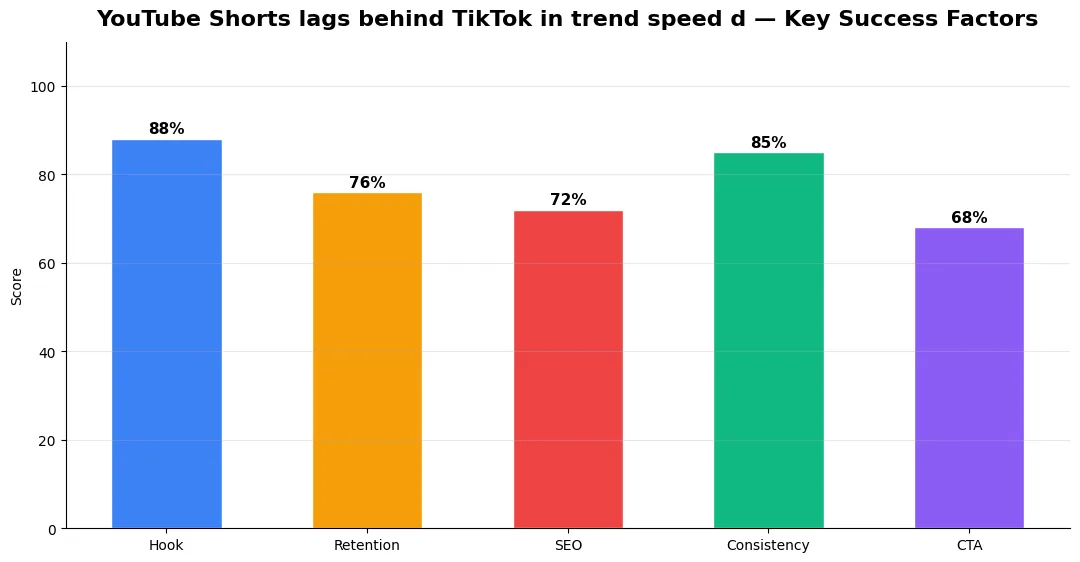
This guide covers youtube shorts lags behind tiktok in plain language for creators in India, the US, the UK, and global audiences. Whether you are starting out or refining a channel that already earns views, the frameworks below help you work smarter—not just post more often. Read through the charts and comparison table, then apply one change per week so improvements stick.
Written by Rajib Das
Short-form video is the king of social media right now. TikTok has undeniably led the charge, capturing the attention of billions with its addictive feed of quick, snappy content. YouTube, not wanting to be left behind, launched YouTube Shorts. While Shorts boasts impressive numbers and is integrated directly into the YouTube platform, many creators find themselves asking: Why does it feel like trends on TikTok explode so much faster than on Shorts? The answer lies in the subtle but crucial differences in their algorithms, how they prioritize content, and what kind of engagement they’re looking for. We’ll delve into these distinctions and provide practical insights for YouTube creators aiming to maximize their reach in the world of Shorts.
Understanding the Algorithm: A Tale of Two Platforms
Both TikTok and YouTube Shorts operate using complex algorithms, but their priorities differ significantly. These differences impact how quickly trends spread and how easily creators can capitalize on them.
TikTok’s Trend-Driven Approach
TikTok’s algorithm is designed to rapidly surface trending sounds, hashtags, and challenges. It prioritizes showing users content that is currently popular, even if it’s from creators they don’t follow. This makes it incredibly easy for a trend to go viral almost overnight. New users are often exposed to the same popular content, fostering a sense of collective participation and rapid adoption of trends.
The key components of TikTok’s trend acceleration are:
- High Focus on Discovery: TikTok aggressively pushes new content to users, even from accounts with few followers.
- Sound and Hashtag Emphasis: Trending sounds and hashtags are heavily weighted, amplifying the visibility of videos using them.
- Engagement as a Primary Signal: High engagement (likes, comments, shares, saves) quickly boosts a video’s reach.
YouTube Shorts: Quality and Engagement over Raw Speed
YouTube Shorts, on the other hand, takes a slightly different approach. While it also considers trends, its algorithm places a greater emphasis on the overall quality and long-term engagement of the video. YouTube, known for its longer-form content, seems to have instilled a desire for more “valuable” short videos than TikTok. This can mean better video quality, editing, and unique concepts.
The YouTube Shorts algorithm appears to prioritize:
- Audience Retention: How long viewers watch the video is a critical factor. A short video that keeps people watching until the end is more likely to be promoted.
- Watch Time: The total amount of time viewers spend watching your Shorts contributes to its overall performance.
- Channel Authority: Established YouTube channels with a history of successful videos tend to get a boost in visibility.
- Relevance to User Interests: YouTube’s recommendation system draws on a user’s viewing history across the entire platform, tailoring the Shorts feed to their preferences.
Why Shorts Trends Lag: A Deeper Dive
The differences in algorithmic priorities explain why trends take longer to gain traction on YouTube Shorts:
- Emphasis on Quality: Because Shorts prioritizes quality, creators need to invest more time and effort into producing engaging content. This contrasts with TikTok’s often more spontaneous and unpolished style, allowing creators to jump on trends quickly.
- Slower Discovery: The more discerning algorithm means that trending sounds or challenges may not immediately appear on everyone’s feed, leading to a slower spread.
- Established Channel Advantage: New creators may find it harder to break through the noise on Shorts compared to TikTok, where a single viral video can catapult an unknown user to fame.
The Silver Lining: Early Adopters Can Still Go Viral
Despite the slower trend adoption, YouTube Shorts offers unique opportunities for creators who are willing to be proactive and innovative.
Capitalizing on Emerging Trends
While trends may not explode as quickly on Shorts, they do eventually arrive. By being an early adopter of a TikTok trend and adapting it for a YouTube audience, creators can gain a significant advantage. Consider creating a “spin” on the trend that makes it unique, and tailored to your existing audience.
Creating Evergreen Content
Unlike TikTok, where trends are fleeting, YouTube has a history of rewarding evergreen content – videos that remain relevant and watchable over time. Creating Shorts that provide lasting value, such as tutorials, tips, or entertaining stories, can lead to sustained growth on the platform.
Leveraging the YouTube Ecosystem
YouTube Shorts integrates seamlessly with the rest of the YouTube platform. Creators can use Shorts to drive traffic to their longer-form videos and vice versa. This cross-promotion can lead to increased watch time, subscriber growth, and overall channel success.
Practical Insights for YouTube Creators
Here are some actionable tips for maximizing your success on YouTube Shorts:
- Stay Updated on TikTok Trends: Monitor TikTok to identify emerging trends and sounds that could be adapted for Shorts.
- Add your own Spin: Don’t just copy trends; put your own unique spin on them to make your Shorts stand out.
- Focus on Quality: Invest in good lighting, sound, and editing to create visually appealing and engaging Shorts.
- Optimize for Retention: Create short, snappy videos that keep viewers hooked until the end. Consider using editing techniques like jump cuts and quick transitions.
- Use Relevant Hashtags: Include relevant hashtags in your Shorts descriptions to improve their discoverability. Don’t just blindly use trending hashtags, make sure they are relevant!
- Cross-Promote Your Content: Promote your Shorts on your other social media channels and within your longer-form YouTube videos.
- Engage with Your Audience: Respond to comments and messages to build a community around your Shorts.
- Analyze Your Data: Pay attention to YouTube Analytics to understand what’s working and what’s not. Experiment with different content formats and strategies.
The Future of Short-Form Video
The battle for short-form video supremacy is far from over. Both TikTok and YouTube Shorts will continue to evolve, and their algorithms will likely adapt to changing user behaviors and content trends. The key for creators is to stay informed, experiment with different strategies, and focus on creating high-quality content that resonates with their target audience. While TikTok may be the king of rapid trend adoption, YouTube Shorts offers a valuable opportunity for creators to build a sustainable presence on the world’s largest video platform.
In conclusion, while YouTube Shorts might lag behind TikTok in trend speed due to its focus on quality and sustained engagement, it provides a strong platform for creators to establish a lasting presence. By understanding the nuanced differences between the platforms, adapting content creatively, and focusing on high-quality, engaging material, creators can harness the power of YouTube Shorts and carve out their space in the ever-evolving world of short-form video.
Common Mistakes to Avoid in 2026
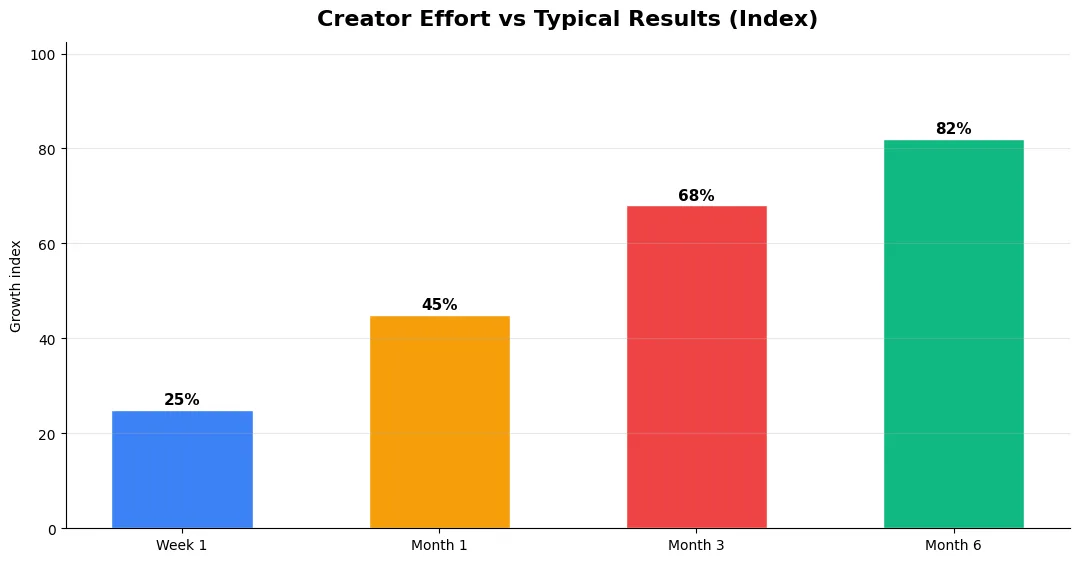
The fastest way to stall growth is copying trends without adapting them to your niche voice. Another frequent error is optimizing only for views while ignoring audience fit, which inflates vanity metrics but hurts monetization and brand deals later. Avoid posting on inconsistent schedules; algorithms and audiences both reward predictable cadence.
Do not neglect analytics review. Spend thirty minutes weekly on retention curves, traffic sources, and click-through rate on thumbnails. Small iterative fixes—tighter hooks, clearer titles, better pacing—often outperform chasing entirely new formats every week.
Step-by-Step Workflow for 2026
Start by defining one clear outcome for every piece of content you publish. Map the viewer journey from the first frame to the subscribe or click action, and remove any step that does not move that journey forward. Batch your research, scripting, and B-roll capture so you are not context-switching between creative and administrative tasks every day.
Use a simple checklist before upload: title clarity, thumbnail readability on mobile, hook strength in the first three seconds, captions accuracy, and end-screen placement. Creators who treat upload as a quality gate—not a rush job—see compounding gains in retention and discovery over 2026.
Tools and Resources That Save Time
Invest in lightweight tools that reduce friction: a caption workflow, a thumbnail template system, and a title/description helper so metadata stays consistent. The YT Title Description Generator app helps you draft SEO-friendly titles and descriptions quickly when you batch-upload multiple videos.
Keep a swipe file of hooks, titles, and thumbnails that performed well in your niche—not to copy, but to analyze patterns. Pair that with YouTube Studio analytics and one external keyword or trend tool so creative decisions stay grounded in data.
Advanced Tips for Competitive Niches
In saturated niches, specificity wins. Narrow your positioning until you can describe your ideal viewer in one sentence, then speak directly to that person in every title and hook. Collaborate with adjacent creators whose audiences overlap but are not identical—this expands reach without diluting brand identity.
Repurpose top performers into Shorts, community posts, and newsletter snippets to extract more value from proven ideas. Update evergreen videos when platforms change features; refreshed metadata and a pinned comment with the latest link can revive older assets.
| Level | Strategy | Typical outcome |
|---|---|---|
| Beginner approach | Copy trends blindly | Low retention, no brand |
| Structured approach | Test hooks + analyze data | Steady growth |
| Pro approach | Series + community loop | Higher LTV audience |
Final Verdict — Youtube Shorts Lags Behind Tiktok in 2026
Success with youtube shorts lags behind tiktok comes from clarity, consistency, and honest delivery on every title and thumbnail promise. Use the step-by-step workflow, avoid the common mistakes above, and measure retention before chasing viral spikes. Small weekly improvements compound into channel growth that lasts beyond a single trending moment.
Also Read:
- YouTube Monetization Guide for Creators in 2026
- How to Go Viral on YouTube Shorts in 2026
- Claude Opus 4.6 vs 4.7 vs 4.8 — AI Tools for Creators
What is YouTube Shorts lags behind TikTok in trend speed due to algorithm differences pr?
Youtube Shorts Lags Behind Tiktok In Trend Speed Due To Algorithm Differences Pr covers the key topic explained in this guide — definitions, practical steps, and tips you can apply immediately.
Why does YouTube Shorts lags behind TikTok in trend speed due to algorithm differences pr matter in 2026?
Platforms and audiences change fast; understanding YouTube Shorts lags behind TikTok in trend speed due to algorithm differences pr helps you stay competitive, improve results, and avoid common mistakes.
How do I get started with YouTube Shorts lags behind TikTok in trend speed due to algorithm differences pr?
Start with one clear goal, follow the step-by-step workflow in this article, track one or two metrics weekly, and iterate based on data.
What are common mistakes with YouTube Shorts lags behind TikTok in trend speed due to algorithm differences pr?
Copying trends without adapting to your niche, skipping analytics review, and inconsistent publishing are the most frequent errors.
Where can I learn more about YouTube Shorts lags behind TikTok in trend speed due to algorithm differences pr?
Use the Also Read links at the end of this article for related guides on Tech Bichar, and bookmark this page for future reference.