YouTube end screens and cards are two of the most underutilized tools available to creators. These interactive elements direct viewers to other content, playlists, or subscription prompts — yet most creators either ignore them or use them without strategy. In 2026, mastering end screens and cards can meaningfully improve your channel’s click-through rate, session time, and subscriber growth. This guide covers everything you need to use these elements effectively.
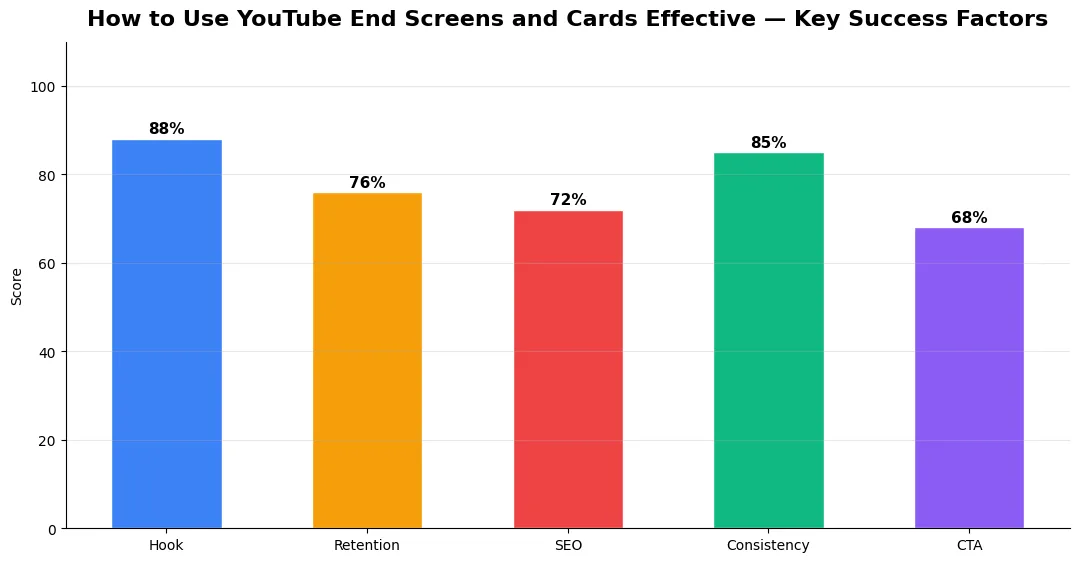
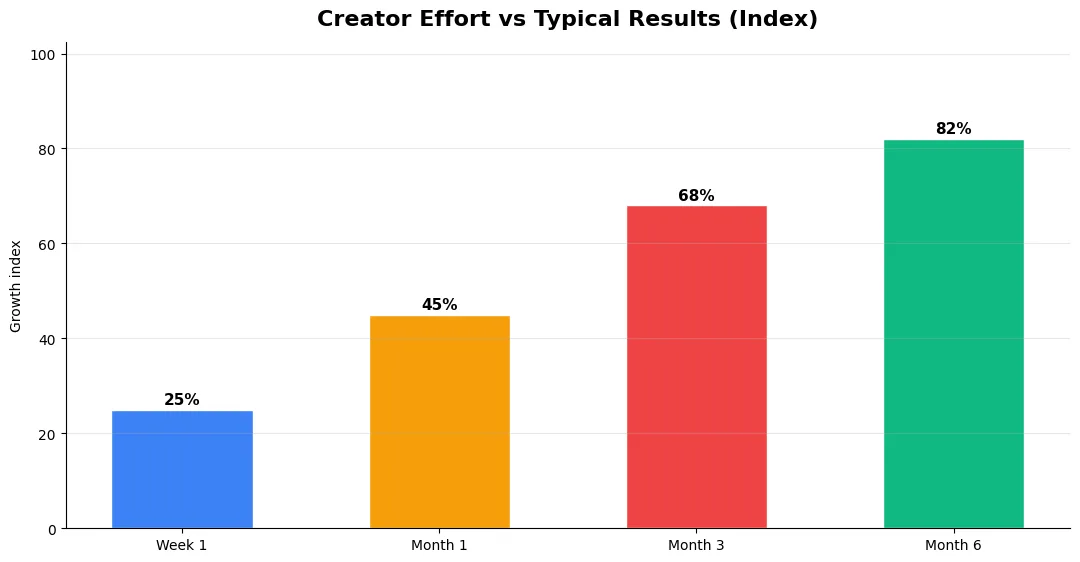
This guide covers how to use youtube end in plain language for creators in India, the US, the UK, and global audiences. Whether you are starting out or refining a channel that already earns views, the frameworks below help you work smarter—not just post more often. Read through the charts and comparison table, then apply one change per week so improvements stick.
Understanding End Screens and Cards — What They Do
End screens appear during the last 5 to 20 seconds of a video and can promote other videos, playlists, channels, or display a subscribe button. Cards are small notifications that appear at any point during a video, linking to videos, playlists, or approved external websites. Both tools keep viewers engaged with your content instead of leaving. The 2026 watch page redesign has given end screens more visual prominence, making them even more effective at capturing attention during those final seconds.
End Screen Element Types and Their Effectiveness
| Element Type | Average CTR | Best Use Case | Placement Tip |
|---|---|---|---|
| Video Element (specific video) | 4 – 8% | Directing to related content | Place on right side, match with verbal CTA |
| Video Element (best for viewer) | 3 – 6% | Personalized recommendations | Use when no single next video fits |
| Playlist Element | 2 – 5% | Increasing session watch time | Pair with series or topic clusters |
| Subscribe Element | 1 – 3% | Converting non-subscribers | Place prominently for new-audience content |
| Channel Element | 0.5 – 2% | Cross-promoting collaborator channels | Use sparingly, only for collabs |
| Info Card (video link) | 1 – 4% | Mid-video redirects to related content | Trigger when mentioning related topic |
| Info Card (playlist link) | 1 – 3% | Funneling into playlist sessions | Best at natural topic transition points |
Best Practices for Maximizing End Screen Performance
The most critical factor for end screen success is the verbal call-to-action. End screens paired with a spoken prompt — such as “watch this video next” — achieve two to three times higher click-through rates than silent end screens. Leave clean visual space in the final 15 to 20 seconds where elements can appear without overlapping content. Choose the “specific video” element over “best for viewer” when you have a clear next video in mind, as this gives you control over the viewer journey. For designing attractive end screen templates, check out this Canva guide for end screens.
Strategic Card Placement for Higher Engagement
Cards work best when they appear at the exact moment you reference related content. If you mention a topic covered in another video, trigger a card at that second. This context-driven approach achieves significantly higher click rates than random placement. Limit yourself to two or three cards per video — too many creates notification fatigue. Use YouTube Analytics to track which cards get clicked most and refine your strategy. The recommendation engine updates in 2026 factor in how effectively end screens and cards retain viewers, making these tools part of your broader algorithmic performance. For the complete picture on optimization, explore the YouTube SEO Complete Guide 2026 and the 0 to 100K Subscribers Roadmap.
Also Read
- YouTube Watch Page Redesign 2026 — How It Impacts Your CTR
- Canva for YouTube — Thumbnails and End Screens Free Guide
Advanced Tips for Competitive Niches
In saturated niches, specificity wins. Narrow your positioning until you can describe your ideal viewer in one sentence, then speak directly to that person in every title and hook. Collaborate with adjacent creators whose audiences overlap but are not identical—this expands reach without diluting brand identity.
Repurpose top performers into Shorts, community posts, and newsletter snippets to extract more value from proven ideas. Update evergreen videos when platforms change features; refreshed metadata and a pinned comment with the latest link can revive older assets.
Tools and Resources That Save Time
Invest in lightweight tools that reduce friction: a caption workflow, a thumbnail template system, and a title/description helper so metadata stays consistent. The YT Title Description Generator app helps you draft SEO-friendly titles and descriptions quickly when you batch-upload multiple videos.
Keep a swipe file of hooks, titles, and thumbnails that performed well in your niche—not to copy, but to analyze patterns. Pair that with YouTube Studio analytics and one external keyword or trend tool so creative decisions stay grounded in data.
Measuring Success — Metrics That Matter
Track average view duration and audience retention before raw view count. Rising retention tells you the content matches the promise of your title and thumbnail; falling retention signals a hook or pacing problem. Monitor click-through rate separately—high CTR with low retention usually means the packaging oversold the video.
For growth channels, watch subscriber conversion per thousand views and returning viewer percentage. For monetized channels, revenue per mille and watch time from high-value geographies matter more than viral spikes from low-monetization regions. Set monthly targets for two metrics only; too many KPIs dilute focus.
Common Mistakes to Avoid in 2026
The fastest way to stall growth is copying trends without adapting them to your niche voice. Another frequent error is optimizing only for views while ignoring audience fit, which inflates vanity metrics but hurts monetization and brand deals later. Avoid posting on inconsistent schedules; algorithms and audiences both reward predictable cadence.
Do not neglect analytics review. Spend thirty minutes weekly on retention curves, traffic sources, and click-through rate on thumbnails. Small iterative fixes—tighter hooks, clearer titles, better pacing—often outperform chasing entirely new formats every week.
| Level | Strategy | Typical outcome |
|---|---|---|
| Beginner approach | Copy trends blindly | Low retention, no brand |
| Structured approach | Test hooks + analyze data | Steady growth |
| Pro approach | Series + community loop | Higher LTV audience |
What are YouTube end screens and how do they work?
End screens are interactive elements that appear during the last 5 to 20 seconds of a YouTube video. They can link to other videos, playlists, channels, or display a subscribe button to keep viewers engaged with your content.
What is a good click-through rate for YouTube end screens?
A good end screen CTR ranges from 4% to 8% for specific video elements. Pairing end screen visuals with a verbal call-to-action significantly improves click rates compared to using end screens without any spoken prompt.
How many cards should I add to a YouTube video?
Two to three cards per video is the optimal range. Using too many cards creates notification fatigue and causes viewers to ignore them entirely. Place each card at a contextually relevant moment.
Do end screens affect YouTube algorithm performance?
Yes, end screens that successfully keep viewers watching more content on your channel increase session time, which is a key signal the YouTube algorithm uses to recommend your videos more broadly.
Should I use the best for viewer or specific video end screen element?
Use the specific video element when you have a clear next video that logically follows. The best for viewer option works when there is no single obvious follow-up, letting YouTube’s algorithm choose personalized content.
Final Verdict — How To Use Youtube End in 2026
Success with how to use youtube end comes from clarity, consistency, and honest delivery on every title and thumbnail promise. Use the step-by-step workflow, avoid the common mistakes above, and measure retention before chasing viral spikes. Small weekly improvements compound into channel growth that lasts beyond a single trending moment.
Also Read: