
Every creator fears it — you log into YouTube Studio and the numbers tell a grim story. Views have plummeted, subscribers have stopped growing, and your latest uploads barely crack double-digit views. Your channel feels dead. But here is the truth most people will not tell you: dead YouTube channels get revived every day in 2026. It takes a strategic approach, honest self-assessment, and a willingness to reinvent your content. This guide walks you through the exact revival framework that has helped thousands of creators bounce back stronger than before.
This guide covers how to recover a dead in plain language for creators in India, the US, the UK, and global audiences. Whether you are starting out or refining a channel that already earns views, the frameworks below help you work smarter—not just post more often. Read through the charts and comparison table, then apply one change per week so improvements stick.
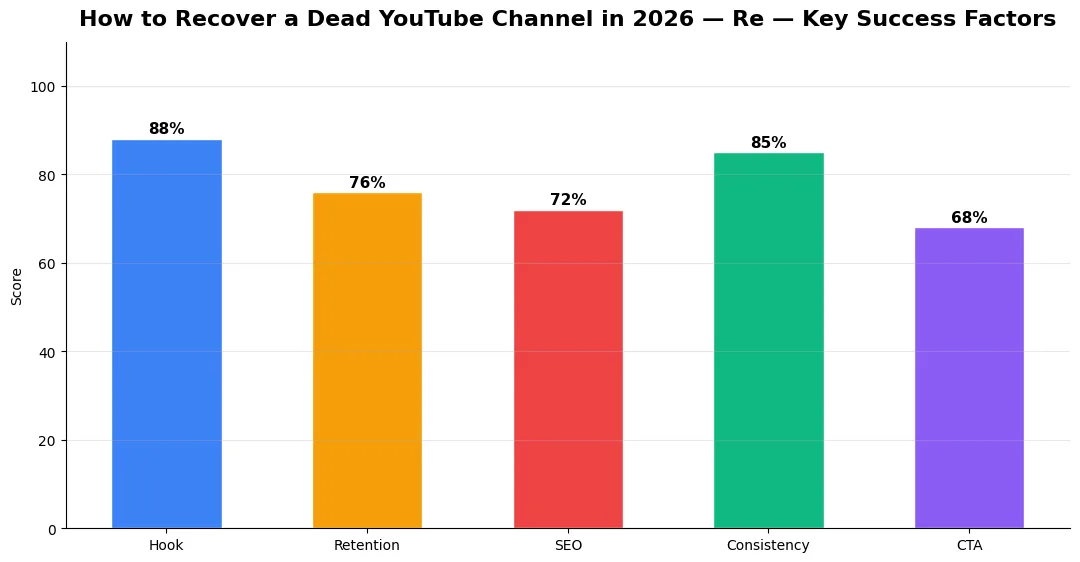
Step 1 — Diagnose Why Your Channel Died
Before you can fix anything, you need to understand what went wrong. Open YouTube Analytics and examine the last 90 days compared to your peak performance period. Look for the exact point where views started declining. Common causes include inconsistent uploads, a shift in content that confused your audience, algorithm changes, or simply failing to evolve with your niche.
Check your click-through rate and average view duration trends. A declining CTR means your titles and thumbnails stopped resonating. Dropping retention suggests your content quality slipped or your audience’s expectations changed. Understanding the current YouTube algorithm priorities is critical for diagnosing algorithmic suppression versus genuine audience loss.
Step 2 — Perform a Ruthless Content Audit
Sort your videos by views over the last 12 months. Identify your top 10 performers and your bottom 10. Look for patterns — what topics, formats, lengths, and thumbnails worked? What failed? This data tells you exactly what your current audience wants, not what you think they want.
Consider unlisting or deleting videos that have extremely poor performance and high bounce rates. These videos actively hurt your channel’s algorithmic profile by signaling low audience satisfaction. Focus on doubling down on the formats that still attract viewers. Many creators who successfully revive their channels follow the growth strategies outlined in the 0 to 100K Subscribers Roadmap.
Revival Strategies and Expected Timelines
Not every revival strategy works at the same speed. Some tactics produce quick wins while others require patience. Here is a realistic overview of common revival approaches and how long each typically takes to show measurable results.
| Revival Strategy | Difficulty | Timeline to Results | Effectiveness |
|---|---|---|---|
| Reoptimize existing top videos (titles, thumbnails, descriptions) | Easy | 1–2 weeks | High |
| Launch a new content series with trending topics | Medium | 4–6 weeks | Very High |
| YouTube Shorts reactivation campaign | Easy | 2–4 weeks | Medium-High |
| Collaborate with active creators in your niche | Medium | 2–4 weeks | High |
| Complete channel rebrand and niche pivot | Hard | 8–12 weeks | Variable |
Step 3 — Relaunch with Optimized Content
Your relaunch needs to feel intentional, not desperate. Plan a batch of five to eight videos that align with your audit findings. Focus on topics with proven search demand and create thumbnails that dramatically stand out from your old content. This visual break signals to both the algorithm and returning subscribers that something has changed.
When relaunching, your titles and descriptions matter more than ever. Tools like the YT Title Description Generator app can help you craft SEO-optimized titles and compelling descriptions that maximize click-through rates for your revival content. Pair every new upload with a strong YouTube SEO strategy to give each video the best chance of gaining traction in search and suggested feeds.
Re-engage your existing audience through Community Tab posts announcing your return. Be transparent — tell them you took a step back, learned from the data, and are coming back with better content. Authenticity drives loyalty, and loyal viewers are the foundation of any channel revival. Creators who also explore multiple monetization paths during their revival often sustain motivation longer because income diversification reduces the pressure of view counts alone.
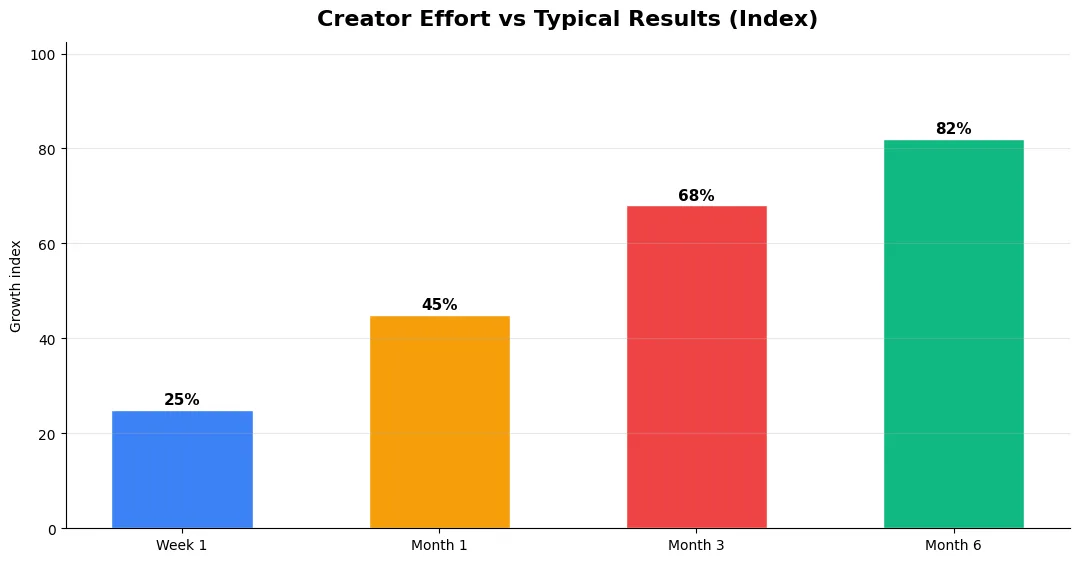
Common Mistakes to Avoid in 2026
The fastest way to stall growth is copying trends without adapting them to your niche voice. Another frequent error is optimizing only for views while ignoring audience fit, which inflates vanity metrics but hurts monetization and brand deals later. Avoid posting on inconsistent schedules; algorithms and audiences both reward predictable cadence.
Do not neglect analytics review. Spend thirty minutes weekly on retention curves, traffic sources, and click-through rate on thumbnails. Small iterative fixes—tighter hooks, clearer titles, better pacing—often outperform chasing entirely new formats every week.
Measuring Success — Metrics That Matter
Track average view duration and audience retention before raw view count. Rising retention tells you the content matches the promise of your title and thumbnail; falling retention signals a hook or pacing problem. Monitor click-through rate separately—high CTR with low retention usually means the packaging oversold the video.
For growth channels, watch subscriber conversion per thousand views and returning viewer percentage. For monetized channels, revenue per mille and watch time from high-value geographies matter more than viral spikes from low-monetization regions. Set monthly targets for two metrics only; too many KPIs dilute focus.
Step-by-Step Workflow for 2026
Start by defining one clear outcome for every piece of content you publish. Map the viewer journey from the first frame to the subscribe or click action, and remove any step that does not move that journey forward. Batch your research, scripting, and B-roll capture so you are not context-switching between creative and administrative tasks every day.
Use a simple checklist before upload: title clarity, thumbnail readability on mobile, hook strength in the first three seconds, captions accuracy, and end-screen placement. Creators who treat upload as a quality gate—not a rush job—see compounding gains in retention and discovery over 2026.
Advanced Tips for Competitive Niches
In saturated niches, specificity wins. Narrow your positioning until you can describe your ideal viewer in one sentence, then speak directly to that person in every title and hook. Collaborate with adjacent creators whose audiences overlap but are not identical—this expands reach without diluting brand identity.
Repurpose top performers into Shorts, community posts, and newsletter snippets to extract more value from proven ideas. Update evergreen videos when platforms change features; refreshed metadata and a pinned comment with the latest link can revive older assets.
| Level | Strategy | Typical outcome |
|---|---|---|
| Beginner approach | Copy trends blindly | Low retention, no brand |
| Structured approach | Test hooks + analyze data | Steady growth |
| Pro approach | Series + community loop | Higher LTV audience |
Can a dead YouTube channel be revived?
How long does it take to revive a dead YouTube channel?
Should I delete old underperforming videos?
Is it better to start a new channel or revive an old one?
Do YouTube Shorts help revive a dead channel?
Final Verdict — How To Recover A Dead in 2026
Success with how to recover a dead comes from clarity, consistency, and honest delivery on every title and thumbnail promise. Use the step-by-step workflow, avoid the common mistakes above, and measure retention before chasing viral spikes. Small weekly improvements compound into channel growth that lasts beyond a single trending moment.
Also Read: