AI Video Editing Tools — Descript vs CapCut vs DaVinci Resolve for Creators
Video editing used to require expensive software and hours of manual work. In 2026, AI-powered editing tools have changed the game for YouTube creators. Descript, CapCut, and DaVinci Resolve each bring different strengths to the table — from text-based editing to automatic color correction. Choosing the right tool depends on your workflow, budget, and the type of content you create. This guide compares all three so you can pick the best fit for your channel.
This guide covers ai video editing tools descript in plain language for creators in India, the US, the UK, and global audiences. Whether you are starting out or refining a channel that already earns views, the frameworks below help you work smarter—not just post more often. Read through the charts and comparison table, then apply one change per week so improvements stick.
How AI Is Changing Video Editing
AI features in video editors now handle tasks that previously took hours of manual effort. Automatic transcription lets you edit video by editing text. Background noise removal cleans up audio in one click. AI-powered scene detection splits footage into organized clips automatically. Smart color grading analyzes your footage and applies professional-looking corrections. These features let creators focus on storytelling rather than technical tasks, which is especially valuable for solo creators managing everything from script writing to upload.
Descript vs CapCut vs DaVinci Resolve — Feature Comparison
Here’s how these three editors compare across the features that matter most to YouTube creators.
| Feature | Descript | CapCut | DaVinci Resolve |
|---|---|---|---|
| Price | Free tier / $24/mo Pro | Free / $7.99/mo Pro | Free / $295 one-time Studio |
| AI Transcription | Excellent (edit via text) | Good (auto captions) | Basic (Studio only) |
| Background Noise Removal | Yes (Studio Sound) | Yes | Yes (Fairlight AI) |
| Auto Captions | Yes | Yes (trending styles) | No (requires plugin) |
| Color Grading AI | No | Basic filters | Advanced (Magic Mask, AI color) |
| Best For | Podcast/talking head | Short-form/reels | Professional long-form |
| Learning Curve | Low | Low | High |
Which Editor Suits Your Content Style?
Descript is ideal if you create talking-head videos, podcasts, or tutorial content. Its text-based editing approach means you can delete filler words and rearrange sections just by editing a transcript. The Overdub feature even lets you correct small mistakes by typing new words in your own cloned voice.
CapCut shines for short-form content like YouTube Shorts, TikTok-style edits, and fast-paced montages. It’s completely free for most features and offers trendy auto-caption styles that keep viewers engaged. The mobile and desktop apps are both polished and easy to learn.
DaVinci Resolve is the professional choice. Its free version is surprisingly powerful, with advanced color grading, Fairlight audio tools, and Fusion for motion graphics. The learning curve is steeper, but if you’re building a serious channel with high production standards, Resolve offers capabilities that rival paid software costing hundreds more.
For creators running faceless channels with AI tools, CapCut and Descript are particularly useful since they minimize the need for on-camera presence while keeping production quality high.
Conclusion
All three editors bring genuine AI advantages to YouTube creators. Descript makes text-based editing effortless for talkers and podcasters. CapCut dominates short-form with free AI captions and effects. DaVinci Resolve delivers professional-grade results for creators ready to invest time in learning. Try the free tiers of each and match your editor to your content style. Explore more AI tools for creators in our complete 2026 guide.
👉 YouTube SEO Complete Guide — Rank Your Videos in 2026
👉 YouTube 2026 Creator Platform Changes — Complete Guide
Tools and Resources That Save Time
Invest in lightweight tools that reduce friction: a caption workflow, a thumbnail template system, and a title/description helper so metadata stays consistent. The YT Title Description Generator app helps you draft SEO-friendly titles and descriptions quickly when you batch-upload multiple videos.
Keep a swipe file of hooks, titles, and thumbnails that performed well in your niche—not to copy, but to analyze patterns. Pair that with YouTube Studio analytics and one external keyword or trend tool so creative decisions stay grounded in data.
Measuring Success — Metrics That Matter
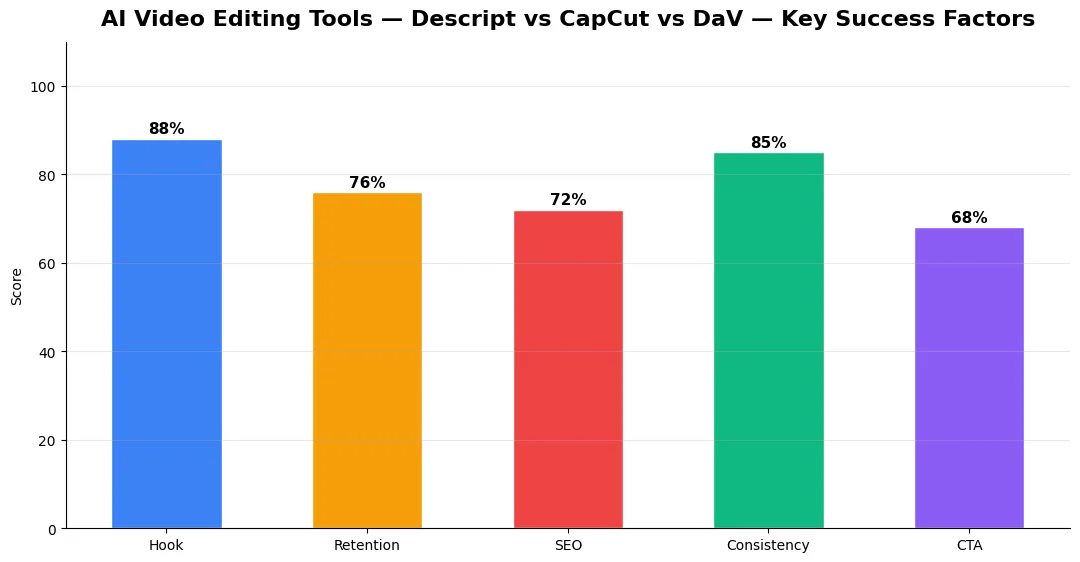
Track average view duration and audience retention before raw view count. Rising retention tells you the content matches the promise of your title and thumbnail; falling retention signals a hook or pacing problem. Monitor click-through rate separately—high CTR with low retention usually means the packaging oversold the video.
For growth channels, watch subscriber conversion per thousand views and returning viewer percentage. For monetized channels, revenue per mille and watch time from high-value geographies matter more than viral spikes from low-monetization regions. Set monthly targets for two metrics only; too many KPIs dilute focus.
Common Mistakes to Avoid in 2026
The fastest way to stall growth is copying trends without adapting them to your niche voice. Another frequent error is optimizing only for views while ignoring audience fit, which inflates vanity metrics but hurts monetization and brand deals later. Avoid posting on inconsistent schedules; algorithms and audiences both reward predictable cadence.
Do not neglect analytics review. Spend thirty minutes weekly on retention curves, traffic sources, and click-through rate on thumbnails. Small iterative fixes—tighter hooks, clearer titles, better pacing—often outperform chasing entirely new formats every week.
Advanced Tips for Competitive Niches
In saturated niches, specificity wins. Narrow your positioning until you can describe your ideal viewer in one sentence, then speak directly to that person in every title and hook. Collaborate with adjacent creators whose audiences overlap but are not identical—this expands reach without diluting brand identity.
Repurpose top performers into Shorts, community posts, and newsletter snippets to extract more value from proven ideas. Update evergreen videos when platforms change features; refreshed metadata and a pinned comment with the latest link can revive older assets.
| Level | Strategy | Typical outcome |
|---|---|---|
| Beginner approach | Copy trends blindly | Low retention, no brand |
| Structured approach | Test hooks + analyze data | Steady growth |
| Pro approach | Series + community loop | Higher LTV audience |
Is DaVinci Resolve really free for YouTube editing?
Which AI video editor is best for beginners?
Can Descript edit video using just text?
Is CapCut good enough for long YouTube videos?
Final Verdict — Ai Video Editing Tools Descript in 2026
Success with ai video editing tools descript comes from clarity, consistency, and honest delivery on every title and thumbnail promise. Use the step-by-step workflow, avoid the common mistakes above, and measure retention before chasing viral spikes. Small weekly improvements compound into channel growth that lasts beyond a single trending moment.
Also Read: