If you publish on YouTube in 2026, small layout changes on the watch page can quietly shift how many people click your thumbnails next. The watch page redesign puts suggested videos and related rows in sharper focus, with larger preview images and cleaner spacing. This article explains what changed, how the related-video experience behaves now, and what you can do to protect or improve click-through rate (CTR) without chasing every rumor.
This guide covers youtube watch page redesign 2026 in plain language for creators in India, the US, the UK, and global audiences. Whether you are starting out or refining a channel that already earns views, the frameworks below help you work smarter—not just post more often. Read through the charts and comparison table, then apply one change per week so improvements stick.
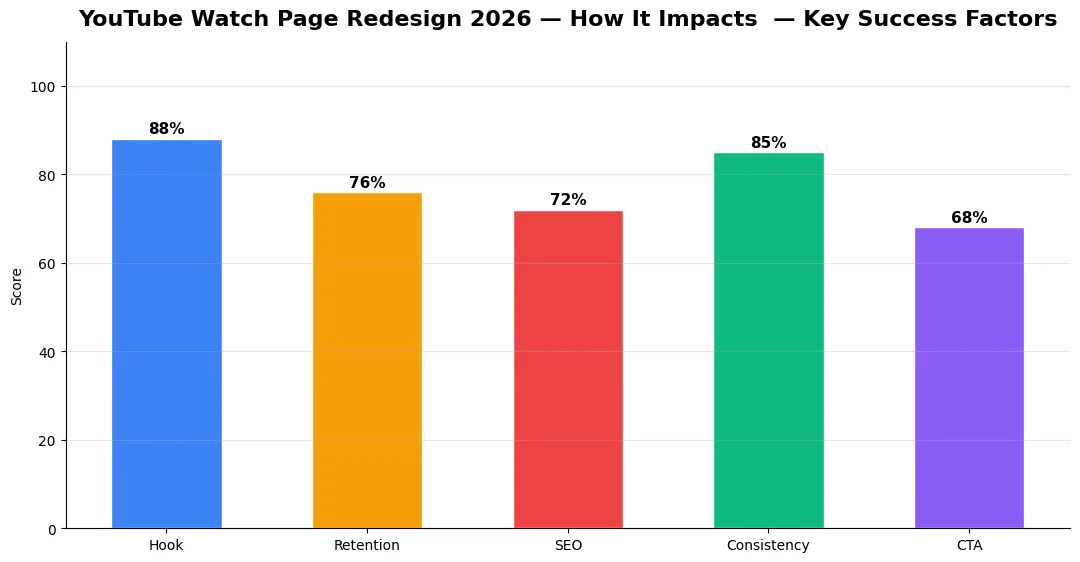
What changed on the 2026 watch page layout
The updated watch page emphasizes the right-hand suggested column and “up next” style rows on many devices. Thumbnails appear bigger relative to text, and titles may truncate differently depending on language and screen width. End screens and cards still matter, but the first impression in suggested and related rails often happens before a viewer scrolls far. That means your thumbnail and title pair competes in a more visual, less text-heavy grid. For a full picture of platform shifts this year, see our YouTube 2026 creator platform changes — complete guide.
Suggested and related surfaces, CTR, and packaging
Click-through rate measures how often people who see your thumbnail actually open the video. When thumbnails are larger, contrast, readable faces or objects, and a clear focal point tend to win more taps. If your CTR drops after the redesign, check whether impressions moved to surfaces where your packaging was weak—for example, suggested on watch versus browse home. Pair layout awareness with how sequencing and session behavior affect reach; our YouTube 2026 algorithm and content sequencing piece walks through practical sequencing ideas.
Related and suggested surfaces still aim to keep viewers watching, but creators often report that strong packaging matters more when several similar videos sit side by side. Your topic cluster, title clarity, and first-frame clarity help YouTube match you to the right sessions—and help humans choose you over neighbors. Avoid clickbait that spikes CTR then hurts satisfaction; sustainable CTR comes from honest promises on the thumbnail. If you are tightening quality for policy and audience trust, read YouTube AI slop crackdown — what creators should know in 2026 alongside packaging tests.
Old watch page vs. 2026 layout (quick comparison)
| Area | Earlier typical layout | 2026-style emphasis |
|---|---|---|
| Suggested column | Smaller thumbs, denser rows | Larger thumbs, more visual weight |
| Title visibility | More characters visible on some widths | Stronger need for short, clear titles |
| CTR drivers | Title + thumb balanced | Thumb salience often higher at first glance |
| Creator focus | General packaging | High-contrast thumb, safe title on crop |
Use Studio analytics to compare CTR before and after the redesign on the same video types; segment by traffic source when possible. Refresh thumbnails on evergreen winners if impressions rise but CTR falls. Keep testing one change at a time so you know what worked.
Conclusion
The 2026 watch page redesign rewards clear, legible thumbnails and honest titles in suggested and related placements. Track CTR by surface, test packaging calmly, and align with stronger sequencing and quality signals. Small, measured updates beat frantic overhauls when the layout shifts under your feet.
Common Mistakes to Avoid in 2026
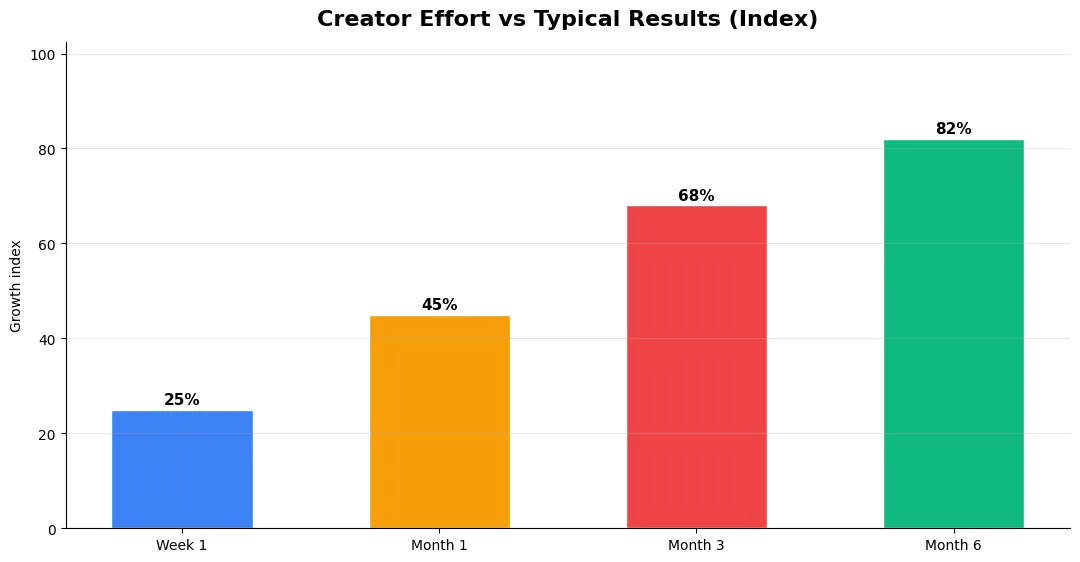
The fastest way to stall growth is copying trends without adapting them to your niche voice. Another frequent error is optimizing only for views while ignoring audience fit, which inflates vanity metrics but hurts monetization and brand deals later. Avoid posting on inconsistent schedules; algorithms and audiences both reward predictable cadence.
Do not neglect analytics review. Spend thirty minutes weekly on retention curves, traffic sources, and click-through rate on thumbnails. Small iterative fixes—tighter hooks, clearer titles, better pacing—often outperform chasing entirely new formats every week.
Measuring Success — Metrics That Matter
Track average view duration and audience retention before raw view count. Rising retention tells you the content matches the promise of your title and thumbnail; falling retention signals a hook or pacing problem. Monitor click-through rate separately—high CTR with low retention usually means the packaging oversold the video.
For growth channels, watch subscriber conversion per thousand views and returning viewer percentage. For monetized channels, revenue per mille and watch time from high-value geographies matter more than viral spikes from low-monetization regions. Set monthly targets for two metrics only; too many KPIs dilute focus.
Advanced Tips for Competitive Niches
In saturated niches, specificity wins. Narrow your positioning until you can describe your ideal viewer in one sentence, then speak directly to that person in every title and hook. Collaborate with adjacent creators whose audiences overlap but are not identical—this expands reach without diluting brand identity.
Repurpose top performers into Shorts, community posts, and newsletter snippets to extract more value from proven ideas. Update evergreen videos when platforms change features; refreshed metadata and a pinned comment with the latest link can revive older assets.
Tools and Resources That Save Time
Invest in lightweight tools that reduce friction: a caption workflow, a thumbnail template system, and a title/description helper so metadata stays consistent. The YT Title Description Generator app helps you draft SEO-friendly titles and descriptions quickly when you batch-upload multiple videos.
Keep a swipe file of hooks, titles, and thumbnails that performed well in your niche—not to copy, but to analyze patterns. Pair that with YouTube Studio analytics and one external keyword or trend tool so creative decisions stay grounded in data.
| Level | Strategy | Typical outcome |
|---|---|---|
| Beginner approach | Copy trends blindly | Low retention, no brand |
| Structured approach | Test hooks + analyze data | Steady growth |
| Pro approach | Series + community loop | Higher LTV audience |
Did the YouTube watch page redesign lower CTR for everyone?
No. Effects vary by niche, device, and how strong your thumbnails already were. Some channels see little change; others see CTR move when impressions shift to more visual surfaces.
What should I optimize first after the redesign?
Start with thumbnail contrast and readability at small sizes, then tighten titles for truncation. Check analytics by traffic source before changing content strategy.
Does a bigger suggested thumbnail change the related video algorithm?
Layout changes how people choose videos; the system still ranks candidates from many signals. Packaging affects clicks and downstream engagement, which can feed back into recommendations.
How do I know if CTR dropped because of the layout?
Compare similar date ranges and video types, and segment by suggested versus browse. If impressions rose but CTR fell, packaging or competition on the page is a likely factor.
Final Verdict — Youtube Watch Page Redesign 2026 in 2026
Success with youtube watch page redesign 2026 comes from clarity, consistency, and honest delivery on every title and thumbnail promise. Use the step-by-step workflow, avoid the common mistakes above, and measure retention before chasing viral spikes. Small weekly improvements compound into channel growth that lasts beyond a single trending moment.
Also Read: