Compilation clips, reaction frames, and AI-assembled montages are under tighter scrutiny in 2026. YouTube’s reused-content policies focus on whether a video offers original value beyond republishing someone else’s work. Creators who rely on third-party footage—especially without commentary, editing, or new context—risk demonetization, limited distribution, or removal when enforcement escalates. This article defines reused content, outlines enforcement trends, and compares platform rules with fair-use concepts creators often misunderstand.
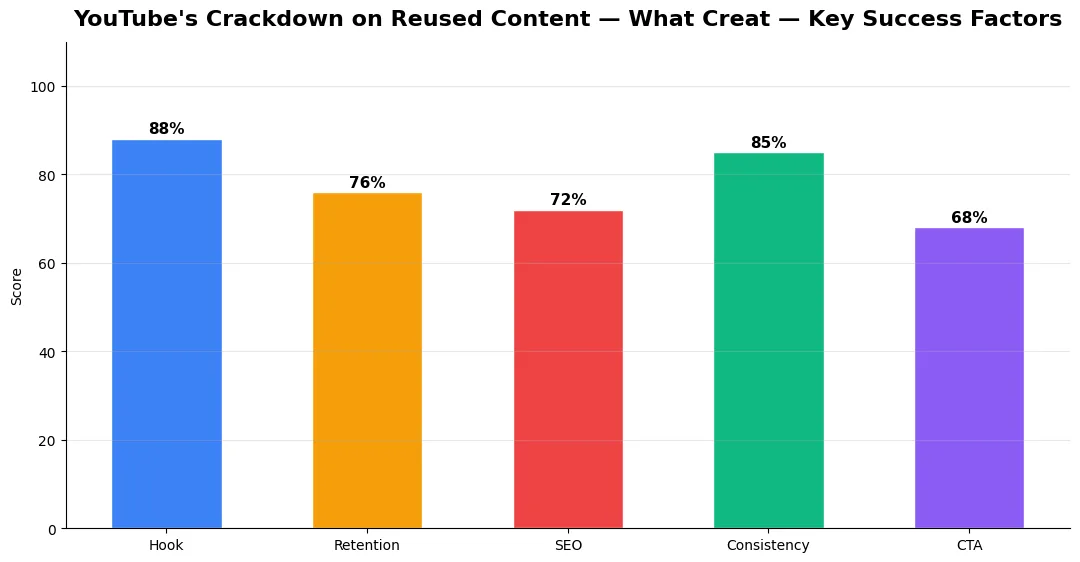
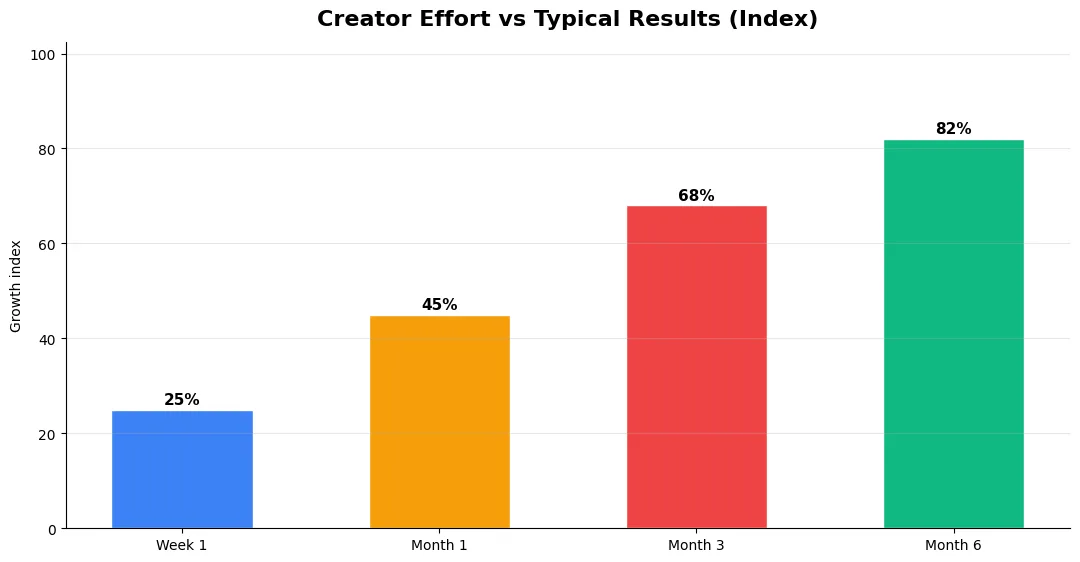
This guide covers youtubes crackdown on reused content in plain language for creators in India, the US, the UK, and global audiences. Whether you are starting out or refining a channel that already earns views, the frameworks below help you work smarter—not just post more often. Read through the charts and comparison table, then apply one change per week so improvements stick.
What counts as reused content
Reused content includes long stretches of unmodified third-party video, song loops with a static image, duplicate uploads across channels you control, or templated clips where only the intro changes. Short, transformative segments—clear commentary, critique, new narrative, or substantial editing—are more likely to pass policy reviews when they are obvious to a human reviewer. Automation that stitches trending files without new insight is a frequent failure mode this year.
Keep a simple paper trail: scripts, shot lists, and licensing PDFs live in one folder so appeals move faster. If you collaborate with editors, agree on minimum commentary length per minute of borrowed footage so everyone ships the same standard.
Enforcement and policy pressure in 2026
YouTube increasingly pairs automated detection with human checks for channels flagged for repetition or “factory” output. Strikes may follow community guidelines breaches, while monetization reviews often cite reused content before a full takedown. Creators should read Studio notifications literally and appeal with timestamps proving added value. For parallel quality signals, review the AI slop crackdown briefing—low-effort spam and reused libraries are being squeezed together.
Impact on compilation and reaction channels
Pure highlight reels without licenses struggle most. Reaction formats survive when reactions are continuous, specific, and proportional—not silent staring during full episodes. Add chapter markers, pause-and-analysis beats, and on-screen graphics that teach something new. Compilation creators should seek rights or use royalty-cleared sources, then layer scripting that reframes why each clip matters today.
Adding value versus fair use misunderstandings
“Fair use” under copyright law is not the same as YouTube’s partner program policies. You can still be policy-noncompliant even if you believe a use is legally defensible, because monetization eligibility is a separate business decision. Aim for both: meaningful transformation for viewers and respect for rights holders. Faceless workflows still need editorial judgment; see faceless channel AI tooling for ways to scale without cloning sources.
| Topic | YouTube reused-content policy lens | Common fair-use discussion (not identical) |
|---|---|---|
| Purpose | Rewards new context for viewers and advertiser safety | Weighs transformative purpose under copyright law |
| Amount used | Discourages long, unmodified third-party blocks | Considers proportionality to the new work |
| Commercial use | Monetization may be denied even if video stays public | Commerciality is one factor, not the only test |
| Disputes | Appeals via Studio; separate from copyright claims flow | Courts or licensing may ultimately decide copyright issues |
Stay current on product-wide shifts via the YouTube 2026 creator platform changes guide so policy, monetization, and format bets stay aligned.
Also read
Step-by-Step Workflow for 2026
Start by defining one clear outcome for every piece of content you publish. Map the viewer journey from the first frame to the subscribe or click action, and remove any step that does not move that journey forward. Batch your research, scripting, and B-roll capture so you are not context-switching between creative and administrative tasks every day.
Use a simple checklist before upload: title clarity, thumbnail readability on mobile, hook strength in the first three seconds, captions accuracy, and end-screen placement. Creators who treat upload as a quality gate—not a rush job—see compounding gains in retention and discovery over 2026.
Advanced Tips for Competitive Niches
In saturated niches, specificity wins. Narrow your positioning until you can describe your ideal viewer in one sentence, then speak directly to that person in every title and hook. Collaborate with adjacent creators whose audiences overlap but are not identical—this expands reach without diluting brand identity.
Repurpose top performers into Shorts, community posts, and newsletter snippets to extract more value from proven ideas. Update evergreen videos when platforms change features; refreshed metadata and a pinned comment with the latest link can revive older assets.
Tools and Resources That Save Time
Invest in lightweight tools that reduce friction: a caption workflow, a thumbnail template system, and a title/description helper so metadata stays consistent. The YT Title Description Generator app helps you draft SEO-friendly titles and descriptions quickly when you batch-upload multiple videos.
Keep a swipe file of hooks, titles, and thumbnails that performed well in your niche—not to copy, but to analyze patterns. Pair that with YouTube Studio analytics and one external keyword or trend tool so creative decisions stay grounded in data.
Measuring Success — Metrics That Matter
Track average view duration and audience retention before raw view count. Rising retention tells you the content matches the promise of your title and thumbnail; falling retention signals a hook or pacing problem. Monitor click-through rate separately—high CTR with low retention usually means the packaging oversold the video.
For growth channels, watch subscriber conversion per thousand views and returning viewer percentage. For monetized channels, revenue per mille and watch time from high-value geographies matter more than viral spikes from low-monetization regions. Set monthly targets for two metrics only; too many KPIs dilute focus.
| Level | Strategy | Typical outcome |
|---|---|---|
| Beginner approach | Copy trends blindly | Low retention, no brand |
| Structured approach | Test hooks + analyze data | Steady growth |
| Pro approach | Series + community loop | Higher LTV audience |
Can I monetize reaction videos in 2026?
Yes, when reactions are substantial, continuous, and the borrowed material is limited and clearly contextualized. Silent or minimal commentary remains high risk.
Does royalty-free music eliminate reused-content risk?
It helps with copyright strikes but not automatically with partner program reviews if the visuals are still repetitive or unoriginal.
What should I include in an appeal?
Provide timestamps showing transformation—script, editing choices, new insights—and links to licensed assets when applicable.
Is reposting my own TikToks to Shorts safe?
Duplicate cross-posts can still be flagged if they are bulk duplicated without new value; add YouTube-specific context or edits when possible.
Surviving the reused-content crackdown means leading with originality: teach, analyze, and edit so viewers see your fingerprint on every frame. Separate copyright questions from monetization eligibility, document your process, and pivot formats before warnings stack. Channels that invest in voice—literal or editorial—keep both audiences and advertisers comfortable.
Final Verdict — Youtubes Crackdown On Reused Content in 2026
Success with youtubes crackdown on reused content comes from clarity, consistency, and honest delivery on every title and thumbnail promise. Use the step-by-step workflow, avoid the common mistakes above, and measure retention before chasing viral spikes. Small weekly improvements compound into channel growth that lasts beyond a single trending moment.
Also Read: