Landing sponsors in 2026 is less about cold emails alone and more about showing up where brands already shop for creators. YouTube’s Brand Partnership Hub is designed to connect advertisers with channels that match campaign goals, budgets, and audience safety needs. Understanding how the hub works—and how it differs from old-school middlemen—helps you pitch sharper, price fairly, and close deals faster. This article explains the hub, eligibility, profile tips, and how it stacks up against MCNs and agencies.
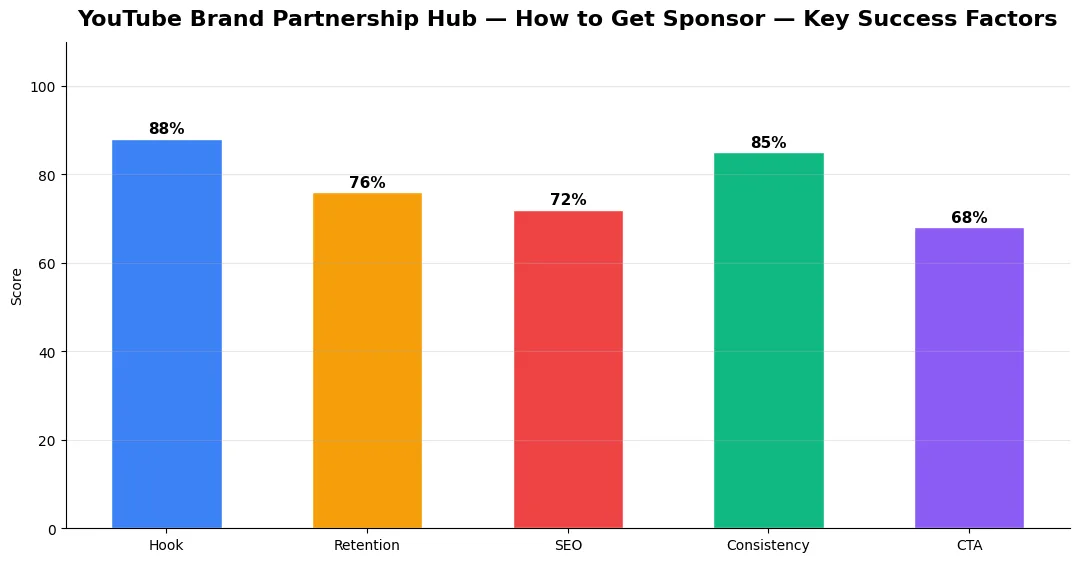
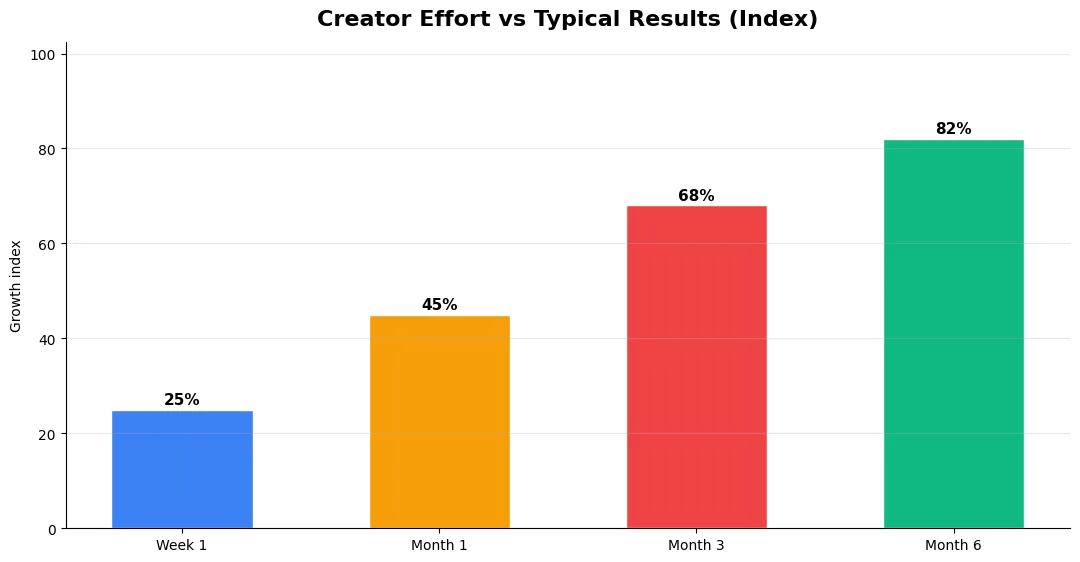
This guide covers youtube brand partnership hub how in plain language for creators in India, the US, the UK, and global audiences. Whether you are starting out or refining a channel that already earns views, the frameworks below help you work smarter—not just post more often. Read through the charts and comparison table, then apply one change per week so improvements stick.
What the Brand Partnership Hub is
The hub is a matchmaking layer inside YouTube’s creator ecosystem where brands can discover channels, review media kits, and sometimes run campaigns with clearer workflow than scattered DMs. It emphasizes transparency around deliverables, timelines, and compliance with ad disclosure rules. For creators, it is both a storefront and a credibility signal: completed profiles show you understand professional partnerships.
How brands and creators connect
Brands filter by niche, geography, audience size, and content safety. Strong performance data, consistent uploads, and obvious brand alignment increase inbound interest. When you respond, treat each brief like a mini contract: deliverables, usage rights, exclusivity windows, and revision counts should be explicit. If you are also growing through organic tactics, align sponsor beats with content sequencing so sponsored segments feel native, not bolted on.
Eligibility and building a strong profile
Eligibility typically hinges on policy compliance, authentic engagement, and monetization-related standing; exact thresholds evolve, so check Studio for your account status. Your profile should showcase recent analytics screenshots, case studies, and past integrations. Highlight audience demographics honestly—buyers verify. Pair hub presence with diversified income literacy from earning beyond ad revenue so you negotiate bundles that include Shorts, live streams, and off-platform assets when allowed.
Brand Partnership Hub versus MCNs and agencies
MCNs and talent agencies still offer hands-on sales, legal support, and cross-platform packaging. The hub reduces friction for direct deals but expects creators to manage contracts and creative execution unless a manager is involved. Choose based on bandwidth: solo creators may love the hub’s efficiency; scaling teams may blend hub leads with agency negotiation for premium retainers.
| Option | Strengths | Trade-offs |
|---|---|---|
| Brand Partnership Hub | Discovery inside YouTube, structured briefs, platform-native trust signals | Less hand-holding; you own pricing discipline and paperwork |
| Traditional MCN | Sales teams, sometimes music or resource perks | Revenue share or contract lock-in; vet terms carefully |
| Talent agency | Negotiation leverage, multi-platform deals | Commission costs; fit matters more at smaller sizes |
| Direct outreach | Full control, custom pitches | Slower scaling without CRM and case studies |
Platform-wide changes continue to reshape deals and formats; bookmark the YouTube 2026 creator platform changes guide for policy and product updates that affect sponsored content.
Also read
Common Mistakes to Avoid in 2026
The fastest way to stall growth is copying trends without adapting them to your niche voice. Another frequent error is optimizing only for views while ignoring audience fit, which inflates vanity metrics but hurts monetization and brand deals later. Avoid posting on inconsistent schedules; algorithms and audiences both reward predictable cadence.
Do not neglect analytics review. Spend thirty minutes weekly on retention curves, traffic sources, and click-through rate on thumbnails. Small iterative fixes—tighter hooks, clearer titles, better pacing—often outperform chasing entirely new formats every week.
Measuring Success — Metrics That Matter
Track average view duration and audience retention before raw view count. Rising retention tells you the content matches the promise of your title and thumbnail; falling retention signals a hook or pacing problem. Monitor click-through rate separately—high CTR with low retention usually means the packaging oversold the video.
For growth channels, watch subscriber conversion per thousand views and returning viewer percentage. For monetized channels, revenue per mille and watch time from high-value geographies matter more than viral spikes from low-monetization regions. Set monthly targets for two metrics only; too many KPIs dilute focus.
Advanced Tips for Competitive Niches
In saturated niches, specificity wins. Narrow your positioning until you can describe your ideal viewer in one sentence, then speak directly to that person in every title and hook. Collaborate with adjacent creators whose audiences overlap but are not identical—this expands reach without diluting brand identity.
Repurpose top performers into Shorts, community posts, and newsletter snippets to extract more value from proven ideas. Update evergreen videos when platforms change features; refreshed metadata and a pinned comment with the latest link can revive older assets.
Step-by-Step Workflow for 2026
Start by defining one clear outcome for every piece of content you publish. Map the viewer journey from the first frame to the subscribe or click action, and remove any step that does not move that journey forward. Batch your research, scripting, and B-roll capture so you are not context-switching between creative and administrative tasks every day.
Use a simple checklist before upload: title clarity, thumbnail readability on mobile, hook strength in the first three seconds, captions accuracy, and end-screen placement. Creators who treat upload as a quality gate—not a rush job—see compounding gains in retention and discovery over 2026.
| Level | Strategy | Typical outcome |
|---|---|---|
| Beginner approach | Copy trends blindly | Low retention, no brand |
| Structured approach | Test hooks + analyze data | Steady growth |
| Pro approach | Series + community loop | Higher LTV audience |
Does the Brand Partnership Hub guarantee sponsorships?
No. It improves discovery, but brands still choose creators based on fit, performance, and pricing. A polished profile and responsive communication tip the odds.
What should I include in my rate card?
List formats (integrated mid-roll, dedicated video, Shorts, live read), revision limits, usage rights, and turnaround times so buyers can compare apples to apples.
How do I stay compliant with ad disclosures?
Use YouTube’s paid promotion tools, verbal and on-screen disclosures, and follow local advertising guidelines; when unsure, mirror examples in YouTube’s creator policies.
Should I drop my MCN to use the hub?
Not automatically. Compare contract terms, services, and net earnings. Many creators use both hub leads and representation without conflict if contracts allow.
The Brand Partnership Hub rewards creators who treat sponsorships like a product: clear offers, honest data, and reliable delivery. Invest in your profile, stay disclosure-safe, and compare hub deals with other representation options. Consistency turns first-time sponsors into repeat buyers.
Final Verdict — Youtube Brand Partnership Hub How in 2026
Success with youtube brand partnership hub how comes from clarity, consistency, and honest delivery on every title and thumbnail promise. Use the step-by-step workflow, avoid the common mistakes above, and measure retention before chasing viral spikes. Small weekly improvements compound into channel growth that lasts beyond a single trending moment.
Also Read: