YouTube Shorts storytelling techniques have become the difference between clips that stall and clips that compound views in 2026. Audiences scroll fast, so your narrative must feel complete in under a minute while still delivering a satisfying arc. Strong Shorts rely on a clear promise in the first frame, a middle that escalates tension or curiosity, and an ending that rewards the click. Pair that structure with tight editing and you align with how discovery surfaces repeatable, high-retention clips.
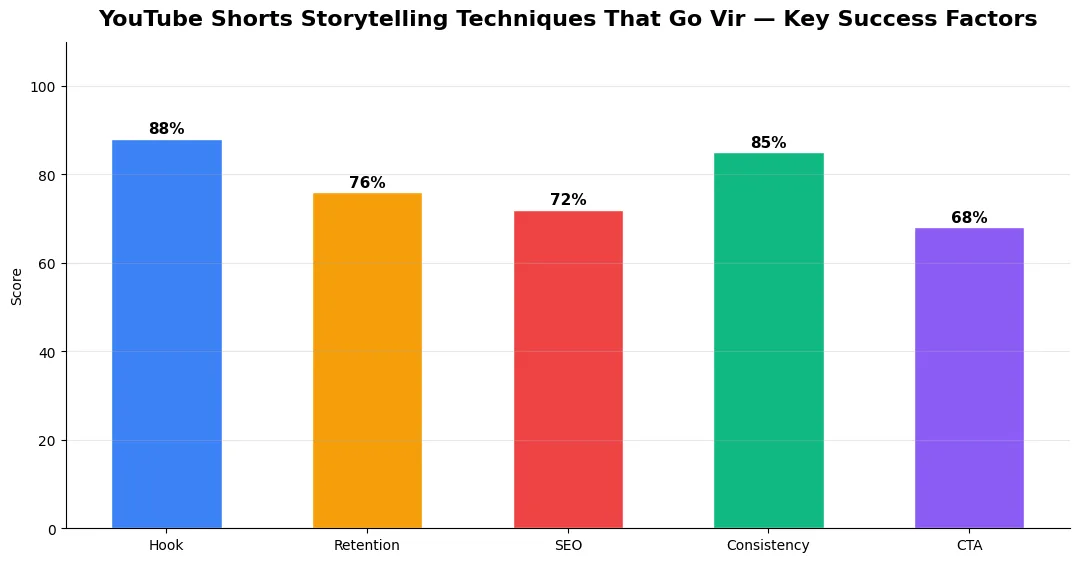
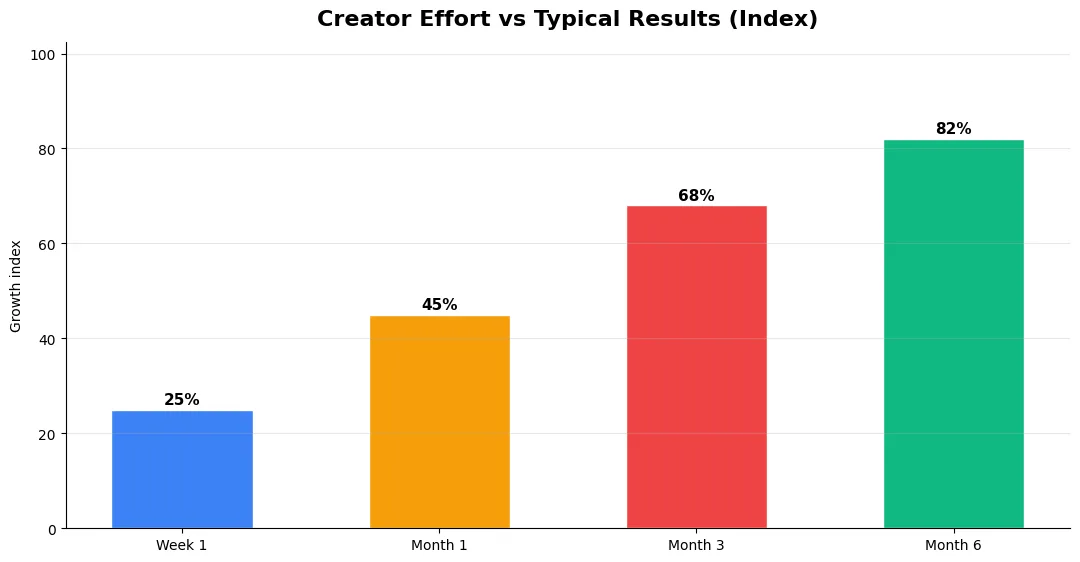
This guide covers youtube shorts storytelling techniques that in plain language for creators in India, the US, the UK, and global audiences. Whether you are starting out or refining a channel that already earns views, the frameworks below help you work smarter—not just post more often. Read through the charts and comparison table, then apply one change per week so improvements stick.
Open With a Promise, Not a Preamble
Your opening line or on-screen text should answer “why watch now?” before viewers have a chance to scroll. State the outcome, the mistake you fixed, or the twist you will reveal. This mirrors what we cover in our go viral YouTube Shorts 2026 strategies hub: the first second is a contract with the viewer. Skip long introductions; show the end state in a quick cut or caption, then rewind or explain how you got there. That loop structure keeps people watching for the payoff.
YouTube Shorts Storytelling Techniques for the Middle Beat
Once the hook lands, each beat should raise stakes or add a new piece of information. Use jump cuts on breaths, match cuts between related actions, and B-roll that reinforces emotion rather than filler. If you teach, show the problem visually before the solution. For story-driven Shorts, a single obstacle and resolution often outperform multi-thread plots. Understanding how the YouTube Shorts algorithm works in 2026 helps you prioritize watch time and replays, which reward clear escalation in the middle of the video.
Endings That Earn Shares and Follows
Close with a punchline, a before-and-after reveal, or a single sentence that reframes everything viewers just saw. Avoid trailing off; ambiguity rarely helps Shorts unless it is intentional and commented on. A strong CTA can be visual—pointing to a playlist or long-form video—without breaking immersion. For broader format context, see every YouTube content format explained so your Shorts connect to a coherent channel strategy rather than one-off spikes.
Pacing and Sound Design in 2026
Tempo should match genre: comedy benefits from snappy cuts; tutorials may slow slightly on critical steps. Use captions for clarity because many viewers watch muted initially. Music and sfx should support the beat changes, not compete with the main line. When in doubt, cut earlier than feels comfortable; Shorts reward density over polish alone. Review your timeline with sound off once more before publishing—if the story still reads, you have done the hard work of visual literacy.
| Story approach | Best for | Main risk |
|---|---|---|
| Hook → twist ending | Entertainment, skits | Twist feels unearned if middle is thin |
| Problem → fix | How-to, product demos | Feels salesy without proof or demo |
| Before → after | Makeovers, results | Needs honest framing and clear timeline |
| Loop / open question | Series, community | Can frustrate if never resolved on-channel |
Common Mistakes to Avoid in 2026
The fastest way to stall growth is copying trends without adapting them to your niche voice. Another frequent error is optimizing only for views while ignoring audience fit, which inflates vanity metrics but hurts monetization and brand deals later. Avoid posting on inconsistent schedules; algorithms and audiences both reward predictable cadence.
Do not neglect analytics review. Spend thirty minutes weekly on retention curves, traffic sources, and click-through rate on thumbnails. Small iterative fixes—tighter hooks, clearer titles, better pacing—often outperform chasing entirely new formats every week.
Tools and Resources That Save Time
Invest in lightweight tools that reduce friction: a caption workflow, a thumbnail template system, and a title/description helper so metadata stays consistent. The YT Title Description Generator app helps you draft SEO-friendly titles and descriptions quickly when you batch-upload multiple videos.
Keep a swipe file of hooks, titles, and thumbnails that performed well in your niche—not to copy, but to analyze patterns. Pair that with YouTube Studio analytics and one external keyword or trend tool so creative decisions stay grounded in data.
Measuring Success — Metrics That Matter
Track average view duration and audience retention before raw view count. Rising retention tells you the content matches the promise of your title and thumbnail; falling retention signals a hook or pacing problem. Monitor click-through rate separately—high CTR with low retention usually means the packaging oversold the video.
For growth channels, watch subscriber conversion per thousand views and returning viewer percentage. For monetized channels, revenue per mille and watch time from high-value geographies matter more than viral spikes from low-monetization regions. Set monthly targets for two metrics only; too many KPIs dilute focus.
| Level | Strategy | Typical outcome |
|---|---|---|
| Beginner approach | Copy trends blindly | Low retention, no brand |
| Structured approach | Test hooks + analyze data | Steady growth |
| Pro approach | Series + community loop | Higher LTV audience |
What are the most effective YouTube Shorts storytelling techniques in 2026?
Lead with a clear promise, escalate with tight beats and visuals, and close with a satisfying payoff or reframing line. Match pacing to genre, use captions, and design for replays.
How long should a Shorts story arc be?
Often one minute or less. One central conflict or idea with three to five strong beats usually outperforms cramming multiple plots into a single Short.
Do I need voiceover for storytelling Shorts?
No. Strong visual storytelling, on-screen text, and music can work. If you use voice, keep lines short and purposeful so cuts stay energetic.
Should Shorts tease long-form videos?
Yes, when the Short delivers standalone value first. A quick payoff plus a subtle pointer to a related long video helps convert curious viewers without feeling like a pure trailer.
Final Verdict — Youtube Shorts Storytelling Techniques That in 2026
Success with youtube shorts storytelling techniques that comes from clarity, consistency, and honest delivery on every title and thumbnail promise. Use the step-by-step workflow, avoid the common mistakes above, and measure retention before chasing viral spikes. Small weekly improvements compound into channel growth that lasts beyond a single trending moment.
Also Read: