
Creators who want educational content YouTube millions views outcomes in 2026 cannot rely on information alone; distribution, packaging, and lesson design matter as much as expertise. The most successful explainers behave like entertainment first—clear stakes, crisp pacing, and proof that the viewer will leave with a usable outcome. This article covers how to structure lessons, retain viewers through the middle, and compound growth without sacrificing accuracy.
This guide covers how to create educational content in plain language for creators in India, the US, the UK, and global audiences. Whether you are starting out or refining a channel that already earns views, the frameworks below help you work smarter—not just post more often. Read through the charts and comparison table, then apply one change per week so improvements stick.
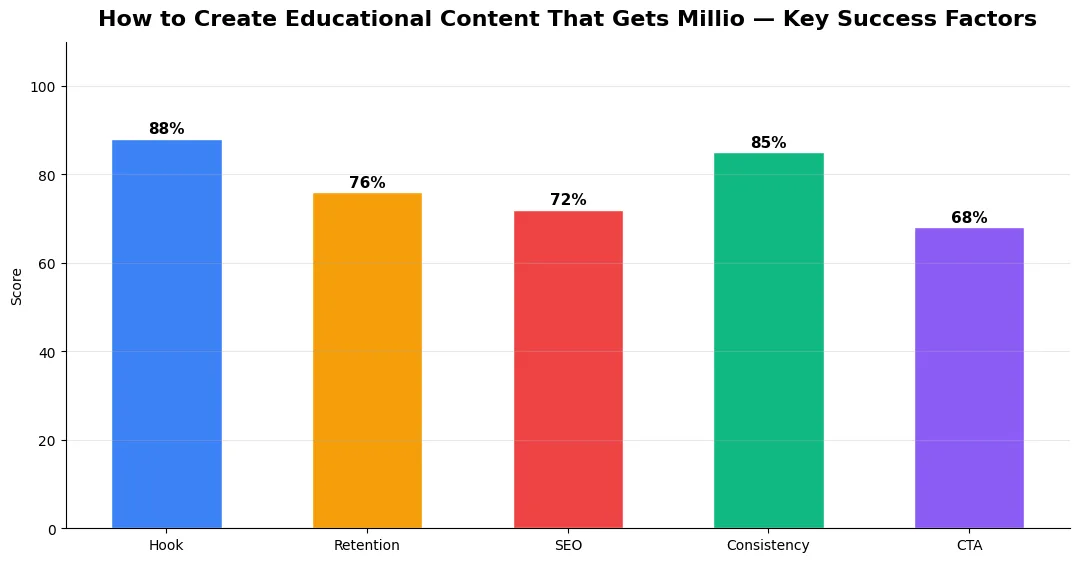
Start With an Outcome, Not a Topic
Lead with the transformation: what the viewer can do, decide, or fix after watching. Name the skill level and time cost in the opening thirty seconds so the right audience self-selects, and state what they should have ready—software version, account type, or hardware—before step one. Tie your series logic to bingeable YouTube series strategy so each episode resolves one job while teasing the next logical lesson. For format context across uploads, bookmark every YouTube content format explained and align tutorials with the hub’s guidance on how long-form teaching fits browse and search demand.
Lesson Architecture That Holds Attention
Break the video into three acts: context, procedure, and verification. Use pattern interrupts every two to three minutes—on-screen summaries, quick quizzes, or a contrasting mistake—to prevent passive watching. Demonstrate on camera when possible; when you must use slides, animate reveals instead of static walls of text. If you record software walkthroughs, pair the lesson with practical tooling advice from best screen recording tools for YouTube tutorial creators so capture quality matches the clarity of your teaching. Name files and layers on screen so viewers can follow along without guessing which button you pressed.
Titles, Thumbnails, and Proof for Educational Content YouTube Millions Views
Promise specificity: numbers, time saved, errors avoided, or certifications unlocked. Thumbnails should show the artifact—worksheet, dashboard, before-and-after—not just a face and a logo. Reinforce credibility with dated examples, citations in the description, and pinned comments that link resources. Refresh evergreen hits when interfaces change; updated chapters signal relevance to both viewers and discovery systems. Match title casing and thumbnail text to the exact outcome phrase people search, then deliver that outcome before the midpoint so earned watch time actually compounds.
| Element | Weak pattern | Strong pattern |
|---|---|---|
| Opening | Long biography | Outcome + who it is for |
| Middle | Unbroken monologue | Steps + micro-summaries |
| Proof | Abstract claims | On-screen results and files |
| End screen | Generic subscribe ask | Next lesson with same toolchain |
Growth Loops Beyond a Single Viral Hit
Cluster videos into playlists that solve one job end to end—onboarding, troubleshooting, or certification prep—and link between related episodes in cards and descriptions. Encourage comments that surface misconceptions you can answer in shorts or follow-up long-form. Measure retention per chapter, not just total views, and rewrite weak segments rather than chasing new topics alone. Consistency of framing often outlasts one-off spikes. Publish a “mistakes I fixed” follow-up when software or APIs change; those updates signal expertise, earn renewed search traffic, and give loyal subscribers a reason to return without starting from zero on a new niche.
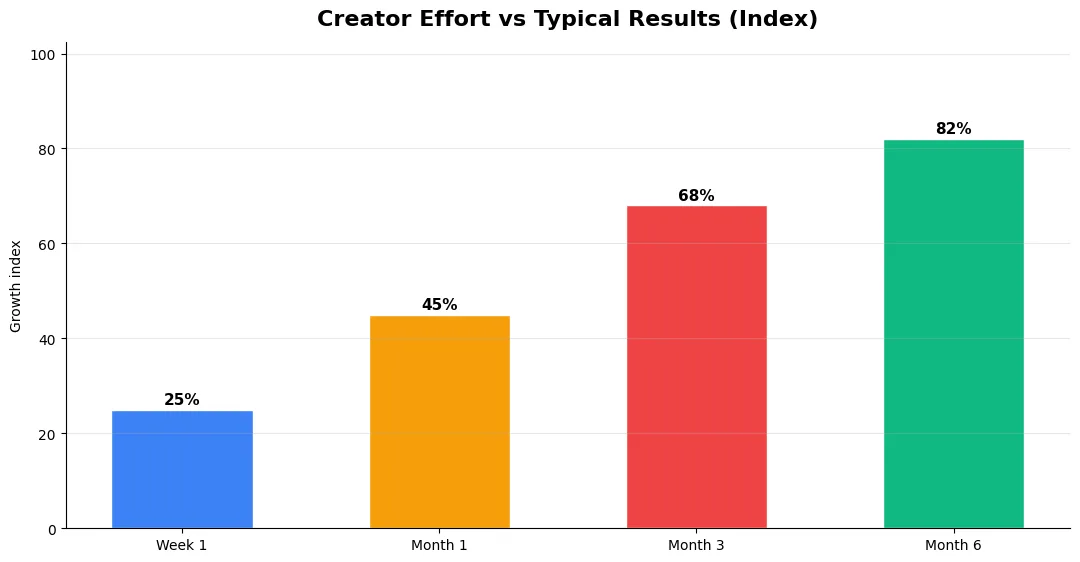
Advanced Tips for Competitive Niches
In saturated niches, specificity wins. Narrow your positioning until you can describe your ideal viewer in one sentence, then speak directly to that person in every title and hook. Collaborate with adjacent creators whose audiences overlap but are not identical—this expands reach without diluting brand identity.
Repurpose top performers into Shorts, community posts, and newsletter snippets to extract more value from proven ideas. Update evergreen videos when platforms change features; refreshed metadata and a pinned comment with the latest link can revive older assets.
Measuring Success — Metrics That Matter
Track average view duration and audience retention before raw view count. Rising retention tells you the content matches the promise of your title and thumbnail; falling retention signals a hook or pacing problem. Monitor click-through rate separately—high CTR with low retention usually means the packaging oversold the video.
For growth channels, watch subscriber conversion per thousand views and returning viewer percentage. For monetized channels, revenue per mille and watch time from high-value geographies matter more than viral spikes from low-monetization regions. Set monthly targets for two metrics only; too many KPIs dilute focus.
Step-by-Step Workflow for 2026
Start by defining one clear outcome for every piece of content you publish. Map the viewer journey from the first frame to the subscribe or click action, and remove any step that does not move that journey forward. Batch your research, scripting, and B-roll capture so you are not context-switching between creative and administrative tasks every day.
Use a simple checklist before upload: title clarity, thumbnail readability on mobile, hook strength in the first three seconds, captions accuracy, and end-screen placement. Creators who treat upload as a quality gate—not a rush job—see compounding gains in retention and discovery over 2026.
Tools and Resources That Save Time
Invest in lightweight tools that reduce friction: a caption workflow, a thumbnail template system, and a title/description helper so metadata stays consistent. The YT Title Description Generator app helps you draft SEO-friendly titles and descriptions quickly when you batch-upload multiple videos.
Keep a swipe file of hooks, titles, and thumbnails that performed well in your niche—not to copy, but to analyze patterns. Pair that with YouTube Studio analytics and one external keyword or trend tool so creative decisions stay grounded in data.
| Level | Strategy | Typical outcome |
|---|---|---|
| Beginner approach | Copy trends blindly | Low retention, no brand |
| Structured approach | Test hooks + analyze data | Steady growth |
| Pro approach | Series + community loop | Higher LTV audience |
What makes educational content YouTube millions views possible?
A specific promised outcome, visible proof, tight pacing with pattern interrupts, and packaging that matches search and browse intent. Series structure and playlists compound discovery after a strong opener.
How long should educational videos be?
Match length to the job: quick fixes can be ten to fifteen minutes, while deep courses may run longer if each chapter delivers a completed sub-task. Use chapters so viewers can skim without abandoning.
Do I need expensive gear for tutorial channels?
Clear audio and readable screen capture matter more than cinematic cameras. Good lighting for talking segments and crisp UI recording settings usually outperform flashy production without substance.
How do I keep viewers through the middle of a lesson?
Preview what comes next, show partial wins early, and alternate explanation with demonstration. On-screen checklists and quick recap slides reduce drop-off during dense sections.
Should I use Shorts for education?
Yes, for hooks, common mistakes, and one-step tips, then route viewers to long-form for full walkthroughs. Keep terminology consistent so the funnel feels intentional.
Final Verdict — How To Create Educational Content in 2026
Success with how to create educational content comes from clarity, consistency, and honest delivery on every title and thumbnail promise. Use the step-by-step workflow, avoid the common mistakes above, and measure retention before chasing viral spikes. Small weekly improvements compound into channel growth that lasts beyond a single trending moment.
Also Read: