Your YouTube video description is one of the most underutilized SEO assets available to creators. While most people write a sentence or two and drop in some links, a well-crafted description can significantly boost your visibility in both YouTube and Google search results. In 2026, YouTube’s natural language processing models read your description deeply to understand context, match search queries, and determine topical relevance. This guide covers the exact structure, keyword strategies, and writing techniques that turn descriptions into powerful ranking tools.
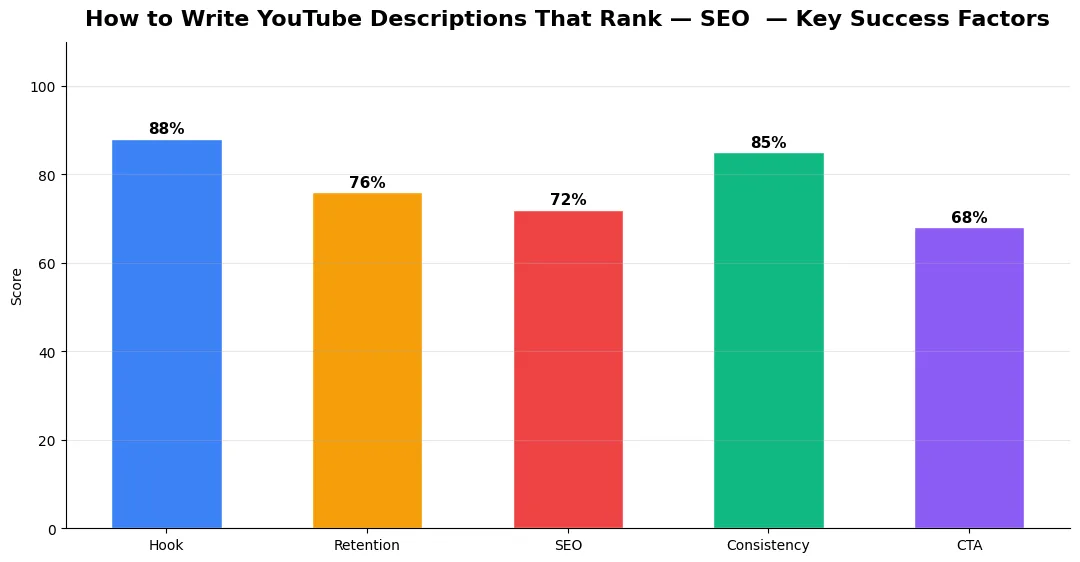
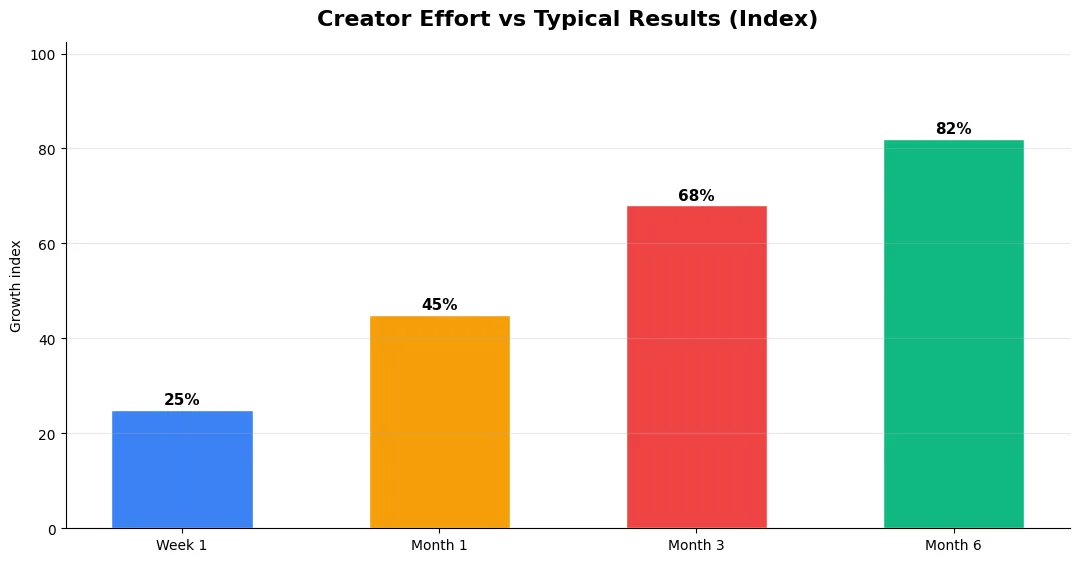
This guide covers how to write youtube descriptions in plain language for creators in India, the US, the UK, and global audiences. Whether you are starting out or refining a channel that already earns views, the frameworks below help you work smarter—not just post more often. Read through the charts and comparison table, then apply one change per week so improvements stick.
Why YouTube Descriptions Matter More Than Ever
Unlike tags, which provide isolated keyword signals, descriptions offer the algorithm a rich contextual understanding of your content. The first 150 characters appear in search results and notifications, making them critical for both SEO and CTR. Beyond that, YouTube scans the full description to identify secondary keywords and topical themes. Videos with detailed, keyword-rich descriptions consistently outperform those with minimal text. Google also indexes YouTube descriptions, meaning a strong description drives traffic from two of the world’s largest search engines simultaneously.
The Ideal Description Structure
A high-performing description follows a three-part structure. The opening two to three sentences should include your primary keyword naturally and compel the reader to watch — this appears as the preview snippet. The body section expands on video content in 150–200 words, incorporating secondary keywords. Include timestamps for key sections, which YouTube uses to generate chapter markers and Google may display as key moments. The third section contains links, social media handles, and disclosures. The YT Title Description Generator app streamlines this process, producing structured descriptions with keyword suggestions you can customize directly from your phone.
Description Elements and Their SEO Impact
| Description Element | SEO Impact | Best Practice |
|---|---|---|
| First 150 characters | Very High | Include primary keyword, write a compelling hook |
| Body text (150–200 words) | High | Use secondary keywords naturally, summarize content |
| Timestamps / chapters | High | Add 4–8 timestamps with descriptive labels |
| Hashtags (3–5) | Low–Medium | Place at the end, use relevant topic hashtags |
| Links to related videos | Low | Encourages session watch time |
| Call to action text | Indirect | Boosts engagement which feeds ranking signals |
Keyword Placement Strategies That Work
Place your exact primary keyword once within the first sentence — this is the highest-value position. Sprinkle two to three secondary keywords throughout the body where they fit naturally. Avoid stuffing, which YouTube can detect as spam. Use keyword research tools to find phrases your audience actually types, and mirror that language. Include question-based keywords like “how to” or “what is” since these align with growing voice search queries. Pair your description with strong titles and eye-catching thumbnails for a complete metadata package.
Common Description Mistakes to Avoid
Writing fewer than 50 words leaves the algorithm with insufficient context. Copying the same generic description across videos creates duplicate content signals and wastes ranking opportunities. Placing all links above the fold pushes keyword-rich text below the “show more” line. Another common mistake is ignoring descriptions after uploading — revisiting and updating descriptions on older videos with current keywords is one of the easiest ways to revive underperforming content. Study top-ranking channels using advanced analytics tools and adapt their strategies.
Advanced Tips for Competitive Niches
In saturated niches, specificity wins. Narrow your positioning until you can describe your ideal viewer in one sentence, then speak directly to that person in every title and hook. Collaborate with adjacent creators whose audiences overlap but are not identical—this expands reach without diluting brand identity.
Repurpose top performers into Shorts, community posts, and newsletter snippets to extract more value from proven ideas. Update evergreen videos when platforms change features; refreshed metadata and a pinned comment with the latest link can revive older assets.
Step-by-Step Workflow for 2026
Start by defining one clear outcome for every piece of content you publish. Map the viewer journey from the first frame to the subscribe or click action, and remove any step that does not move that journey forward. Batch your research, scripting, and B-roll capture so you are not context-switching between creative and administrative tasks every day.
Use a simple checklist before upload: title clarity, thumbnail readability on mobile, hook strength in the first three seconds, captions accuracy, and end-screen placement. Creators who treat upload as a quality gate—not a rush job—see compounding gains in retention and discovery over 2026.
Tools and Resources That Save Time
Invest in lightweight tools that reduce friction: a caption workflow, a thumbnail template system, and a title/description helper so metadata stays consistent. The YT Title Description Generator app helps you draft SEO-friendly titles and descriptions quickly when you batch-upload multiple videos.
Keep a swipe file of hooks, titles, and thumbnails that performed well in your niche—not to copy, but to analyze patterns. Pair that with YouTube Studio analytics and one external keyword or trend tool so creative decisions stay grounded in data.
Measuring Success — Metrics That Matter
Track average view duration and audience retention before raw view count. Rising retention tells you the content matches the promise of your title and thumbnail; falling retention signals a hook or pacing problem. Monitor click-through rate separately—high CTR with low retention usually means the packaging oversold the video.
For growth channels, watch subscriber conversion per thousand views and returning viewer percentage. For monetized channels, revenue per mille and watch time from high-value geographies matter more than viral spikes from low-monetization regions. Set monthly targets for two metrics only; too many KPIs dilute focus.
| Level | Strategy | Typical outcome |
|---|---|---|
| Beginner approach | Copy trends blindly | Low retention, no brand |
| Structured approach | Test hooks + analyze data | Steady growth |
| Pro approach | Series + community loop | Higher LTV audience |
What is the ideal word count for a YouTube description?
Should I repeat my target keyword multiple times?
Do timestamps in descriptions help with SEO?
Can I update descriptions on older videos to improve rankings?
Final Verdict — How To Write Youtube Descriptions in 2026
Success with how to write youtube descriptions comes from clarity, consistency, and honest delivery on every title and thumbnail promise. Use the step-by-step workflow, avoid the common mistakes above, and measure retention before chasing viral spikes. Small weekly improvements compound into channel growth that lasts beyond a single trending moment.
Also Read: