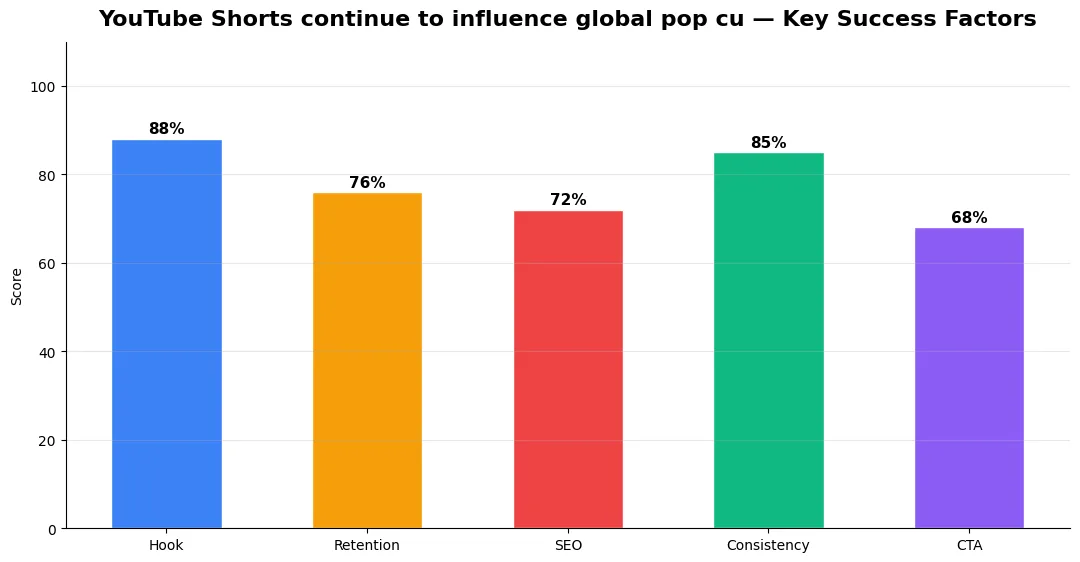
This guide covers youtube shorts continue to influence in plain language for creators in India, the US, the UK, and global audiences. Whether you are starting out or refining a channel that already earns views, the frameworks below help you work smarter—not just post more often. Read through the charts and comparison table, then apply one change per week so improvements stick.
Written by Rajib Das
YouTube Shorts, the platform’s answer to TikTok’s viral video dominance, has undoubtedly carved out a significant space in the digital landscape. Its impact on global pop culture is undeniable, driving trends in music, dance, and even fashion. Yet, a closer look reveals that YouTube Shorts often lags behind TikTok in setting these trends, facing delays in adoption and dissemination. This article delves into the reasons behind this discrepancy, exploring the differences in algorithms, content production ecosystems, and overall user behavior on both platforms. Understanding these nuances is crucial for anyone looking to leverage the power of short-form video to reach a wider audience and stay ahead of the curve.
The Algorithm: A Tale of Two Feeds
The core of any social media platform’s success lies in its algorithm, the mysterious code that determines what content users see. TikTok’s algorithm is famously efficient at identifying and promoting trending content, quickly catapulting videos to viral status. This rapid spread allows trends to gain momentum faster, reaching a global audience in a matter of days, if not hours. TikTok prioritizes showcasing content to users based on their previous interactions, even if they don’t follow the creator. This “For You” page (FYP) drives organic discovery and exposes users to a diverse range of videos.
YouTube Shorts, while also algorithmically driven, operates differently. While YouTube’s algorithm is incredibly sophisticated across its entire platform, its implementation within Shorts appears to be evolving. Some argue that it doesn’t yet possess the same level of precision in identifying and promoting emerging trends as TikTok. YouTube, historically, has focused more on channels and subscriptions, which can sometimes limit the reach of individual Shorts. The algorithm often considers a broader range of factors, including viewer history across the entire YouTube platform, rather than solely focusing on short-form video interactions. This can lead to a slower, more gradual rise of trends on Shorts compared to the rapid fire virality seen on TikTok.
Algorithm Implications for Creators
Understanding these algorithmic differences is essential for content creators. Here’s what you need to consider:
- TikTok: Focus on participating in existing trends early and often. Use trending sounds and hashtags to increase your chances of appearing on the FYP.
- YouTube Shorts: While participating in trends is still beneficial, building a consistent and engaged subscriber base can be just as, if not more, important. Create Shorts that complement your existing YouTube content and encourage viewers to subscribe.
- Cross-Platform Promotion: Actively promote your YouTube Shorts on other platforms, including TikTok, to drive traffic and build awareness.
Content Creation Ecosystems: Simplicity vs. Integration
TikTok’s strength lies in its incredibly user-friendly content creation tools. The platform makes it easy for anyone to record, edit, and share videos directly from their mobile device. The abundance of built-in effects, filters, and sound options encourages creativity and allows users to participate in trends with minimal effort. This low barrier to entry fosters a culture of experimentation and fuels the rapid dissemination of viral content.
YouTube Shorts, while improving rapidly, presents a slightly different landscape. While the creation tools are becoming more robust, YouTube still benefits from its legacy as a platform for longer-form video. This means that many creators utilize more advanced editing software and techniques when creating content for YouTube, including Shorts. This can result in higher production value, but also a slower turnaround time for content creation. The integration with the broader YouTube ecosystem, including features like end screens and cards, can be both an advantage and a disadvantage. While it allows creators to drive viewers to their other content, it can also divert attention away from the Shorts themselves.
Practical Insights for YouTube Creators
Here are some practical tips to enhance your YouTube Shorts content and increase visibility:
- Optimize for Mobile Viewing: Ensure your Shorts are visually appealing and easy to understand on small screens. Use clear visuals, concise text, and engaging editing.
- Hook Viewers Early: Grab attention within the first few seconds. Use a compelling opening shot, a question, or a surprising visual to keep viewers engaged.
- Utilize YouTube Analytics: Track your Shorts’ performance to understand what resonates with your audience. Pay attention to metrics like watch time, audience retention, and traffic sources.
- Experiment with Different Formats: Don’t be afraid to try new things. Test different types of content, editing styles, and call-to-actions to see what works best.
- Engage with Your Audience: Respond to comments, ask questions, and encourage viewers to participate in your content. Build a community around your Shorts.
User Behavior and Cultural Impact
TikTok’s user base is known for its active participation in trends and challenges. The platform’s culture encourages users to create and share content, fostering a sense of community and collective creativity. The focus on short, easily digestible videos makes it ideal for discovering and participating in viral trends.
YouTube, with its wider range of content and user demographics, has a more diverse culture. While Shorts have undoubtedly attracted a younger audience, the platform also caters to viewers who prefer longer-form content, tutorials, and vlogs. This difference in user behavior can contribute to the slower adoption of trends on YouTube Shorts. Users may be more inclined to passively consume content on YouTube, rather than actively participating in creating and sharing it.
Looking Ahead: The Future of Short-Form Video
Despite the current differences, YouTube Shorts is continually evolving. YouTube is actively investing in improving the platform, refining its algorithm, and adding new features to empower creators. As the platform matures, it’s likely that we’ll see a narrowing of the gap between YouTube Shorts and TikTok in terms of trend adoption speed. However, YouTube Shorts’ unique integration with the broader YouTube ecosystem offers distinct advantages, particularly for creators looking to build a long-term presence and monetize their content.
In conclusion, while YouTube Shorts continues to be a powerful force in global pop culture, its lag in trend adoption compared to TikTok stems from differences in algorithms, content production ecosystems, and user behavior. Understanding these nuances is crucial for creators seeking to effectively leverage short-form video. By focusing on creating engaging content, optimizing for mobile viewing, and actively engaging with their audience, YouTube creators can harness the potential of Shorts to reach a wider audience and stay ahead of the ever-evolving digital landscape. The key is to adapt, experiment, and understand the unique strengths of the YouTube platform.
Tools and Resources That Save Time
Invest in lightweight tools that reduce friction: a caption workflow, a thumbnail template system, and a title/description helper so metadata stays consistent. The YT Title Description Generator app helps you draft SEO-friendly titles and descriptions quickly when you batch-upload multiple videos.
Keep a swipe file of hooks, titles, and thumbnails that performed well in your niche—not to copy, but to analyze patterns. Pair that with YouTube Studio analytics and one external keyword or trend tool so creative decisions stay grounded in data.
Common Mistakes to Avoid in 2026
The fastest way to stall growth is copying trends without adapting them to your niche voice. Another frequent error is optimizing only for views while ignoring audience fit, which inflates vanity metrics but hurts monetization and brand deals later. Avoid posting on inconsistent schedules; algorithms and audiences both reward predictable cadence.
Do not neglect analytics review. Spend thirty minutes weekly on retention curves, traffic sources, and click-through rate on thumbnails. Small iterative fixes—tighter hooks, clearer titles, better pacing—often outperform chasing entirely new formats every week.
Step-by-Step Workflow for 2026
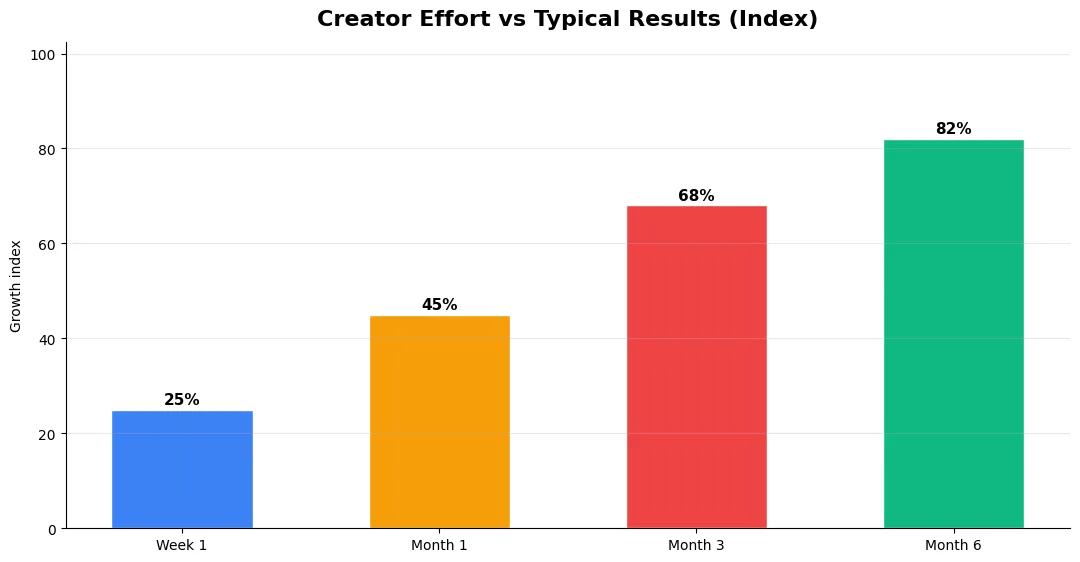
Start by defining one clear outcome for every piece of content you publish. Map the viewer journey from the first frame to the subscribe or click action, and remove any step that does not move that journey forward. Batch your research, scripting, and B-roll capture so you are not context-switching between creative and administrative tasks every day.
Use a simple checklist before upload: title clarity, thumbnail readability on mobile, hook strength in the first three seconds, captions accuracy, and end-screen placement. Creators who treat upload as a quality gate—not a rush job—see compounding gains in retention and discovery over 2026.
Measuring Success — Metrics That Matter
Track average view duration and audience retention before raw view count. Rising retention tells you the content matches the promise of your title and thumbnail; falling retention signals a hook or pacing problem. Monitor click-through rate separately—high CTR with low retention usually means the packaging oversold the video.
For growth channels, watch subscriber conversion per thousand views and returning viewer percentage. For monetized channels, revenue per mille and watch time from high-value geographies matter more than viral spikes from low-monetization regions. Set monthly targets for two metrics only; too many KPIs dilute focus.
| Level | Strategy | Typical outcome |
|---|---|---|
| Beginner approach | Copy trends blindly | Low retention, no brand |
| Structured approach | Test hooks + analyze data | Steady growth |
| Pro approach | Series + community loop | Higher LTV audience |
Final Verdict — Youtube Shorts Continue To Influence in 2026
Success with youtube shorts continue to influence comes from clarity, consistency, and honest delivery on every title and thumbnail promise. Use the step-by-step workflow, avoid the common mistakes above, and measure retention before chasing viral spikes. Small weekly improvements compound into channel growth that lasts beyond a single trending moment.
Also Read:
- YouTube Monetization Guide for Creators in 2026
- How to Go Viral on YouTube Shorts in 2026
- Claude Opus 4.6 vs 4.7 vs 4.8 — AI Tools for Creators
What is YouTube Shorts continue to influence global pop culture but face delays in trend?
Youtube Shorts Continue To Influence Global Pop Culture But Face Delays In Trend covers the key topic explained in this guide — definitions, practical steps, and tips you can apply immediately.
Why does YouTube Shorts continue to influence global pop culture but face delays in trend matter in 2026?
Platforms and audiences change fast; understanding YouTube Shorts continue to influence global pop culture but face delays in trend helps you stay competitive, improve results, and avoid common mistakes.
How do I get started with YouTube Shorts continue to influence global pop culture but face delays in trend?
Start with one clear goal, follow the step-by-step workflow in this article, track one or two metrics weekly, and iterate based on data.
What are common mistakes with YouTube Shorts continue to influence global pop culture but face delays in trend?
Copying trends without adapting to your niche, skipping analytics review, and inconsistent publishing are the most frequent errors.
Where can I learn more about YouTube Shorts continue to influence global pop culture but face delays in trend?
Use the Also Read links at the end of this article for related guides on Tech Bichar, and bookmark this page for future reference.