This guide covers youtube expands aipowered multilingual dubbing in plain language for creators in India, the US, the UK, and global audiences. Whether you are starting out or refining a channel that already earns views, the frameworks below help you work smarter—not just post more often. Read through the charts and comparison table, then apply one change per week so improvements stick.
Written by Rajib Das
Imagine your favorite podcast, normally only available in English, suddenly speaking fluent Spanish, French, or even Japanese. And not just the audio – the speaker’s lips move in perfect sync with the new language. This isn’t science fiction anymore; it’s the rapidly evolving reality of YouTube’s AI-powered multilingual dubbing feature. This groundbreaking technology is transforming how creators share their content and how audiences consume it, breaking down language barriers and opening up new avenues for connection and growth. It’s more than just translation; it’s accessibility on a global scale, and it’s poised to revolutionize the platform.
Breaking Down Language Barriers: YouTube’s AI Dubbing Revolution
YouTube’s investment in AI-driven multilingual dubbing is a game-changer. For years, content creators looking to reach international audiences faced significant hurdles: the cost and time involved in professional translation and dubbing. This often limited global reach to large organizations with substantial budgets. Now, YouTube is democratizing access to a global audience through accessible AI tools.
How Does It Work? The Magic Behind the Scenes
The AI dubbing process is a complex, multi-stage operation, but YouTube is simplifying it for creators. Here’s a breakdown of the core components:
- Transcription: The original audio is transcribed into text, providing a foundation for translation.
- Translation: Advanced machine translation models convert the transcribed text into the desired target languages.
- Voice Synthesis: AI-powered voice synthesis generates audio in the new language, mimicking the tone and style of the original speaker. In some cases, the creator’s voice can even be cloned.
- Lip Syncing: This is where the magic truly happens. The AI analyzes the visual elements of the video, specifically the speaker’s mouth movements, and adjusts the translated audio to precisely match those movements. This creates a remarkably realistic and engaging viewing experience.
Podcast Potential: A Perfect Match for AI Dubbing
Podcasts are a natural fit for YouTube’s AI dubbing capabilities. Many podcasts are now recorded with video, either as a primary format or to create clips for social media promotion. This visual element makes them ideal candidates for lip-synced translations.
Reaching New Listeners, Expanding Your Audience
For podcast creators, the implications are immense. Imagine a podcast discussing technology, originally aimed at an English-speaking audience. By utilizing AI dubbing, the creator can instantly offer versions in Spanish, Mandarin, German, and more. This opens doors to millions of potential new listeners who previously couldn’t access the content due to language barriers. The benefits are clear:
- Increased discoverability: Reaching audiences searching for content in their native language.
- Higher engagement: Viewers are more likely to engage with content they understand fluently.
- Growth in subscribers: A broader audience translates to more subscribers and a stronger online presence.
- Potential monetization opportunities: Larger audience means bigger ad revenue or more sales.
Practical Insights for YouTube Creators
So, how can you, as a YouTube creator, leverage this powerful technology?
Getting Started with AI Dubbing
While the AI dubbing features are still rolling out and may not be available to all creators yet, here are some steps you can take to prepare:
- Check YouTube Studio: Keep an eye on your YouTube Studio dashboard for updates and access to the AI dubbing tools. YouTube provides clear indications when new features become available to specific channels.
- Optimize Your Videos: Clear audio and video quality are essential for the AI to work effectively. Ensure your videos are well-lit and the audio is crisp and clear.
- Experiment with Languages: Consider your target audience and choose languages that align with your content and the demographics you’re trying to reach. Spanish, French, and Mandarin are often good starting points.
- Monitor Performance: Track the performance of your dubbed videos. Pay attention to metrics like views, watch time, and subscriber growth in different language regions. This data will help you refine your dubbing strategy.
Best Practices for AI Dubbing Success
To maximize the impact of AI dubbing, keep these best practices in mind:
- Review the Translations: While AI is improving rapidly, it’s still crucial to review the translated content for accuracy and cultural relevance. Ideally, have a native speaker proofread the translations.
- Consider Cultural Nuances: Be mindful of cultural differences when translating content. Idioms, humor, and references may not translate directly and may require adaptation.
- Promote Your Dubbed Content: Let your existing audience know that dubbed versions are available. Promote your videos on social media and in your video descriptions, targeting specific language groups.
- Engage with International Viewers: Respond to comments and questions from viewers in different languages. This builds a sense of community and encourages further engagement.
The Future of Multilingual Content: A Glimpse Ahead
YouTube’s AI dubbing technology is constantly evolving. We can expect to see further improvements in accuracy, voice cloning capabilities, and the range of supported languages. In the future, AI might even be able to automatically adapt content to different cultural contexts, going beyond simple translation to create truly localized experiences. The potential for personalized and accessible content is truly limitless.
The world is becoming increasingly interconnected, and YouTube’s AI-powered dubbing represents a significant step towards a more inclusive and accessible online experience. By breaking down language barriers, creators can reach new audiences, build stronger communities, and share their stories with the world. For podcast creators, this means an unprecedented opportunity to amplify their voices and connect with listeners on a global scale. The future of content creation is multilingual, and AI dubbing is leading the charge.
Measuring Success — Metrics That Matter
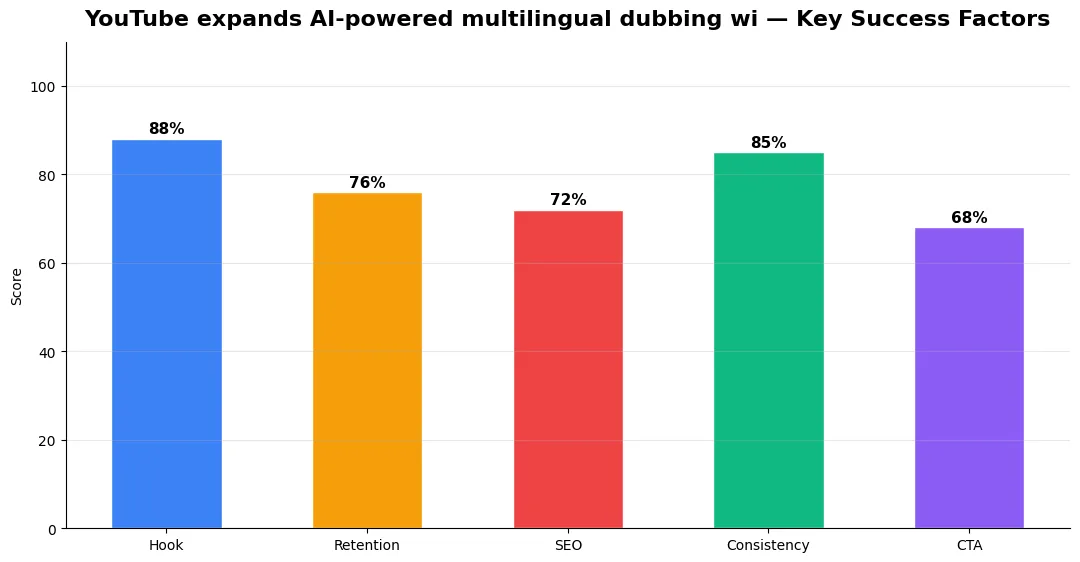
Track average view duration and audience retention before raw view count. Rising retention tells you the content matches the promise of your title and thumbnail; falling retention signals a hook or pacing problem. Monitor click-through rate separately—high CTR with low retention usually means the packaging oversold the video.
For growth channels, watch subscriber conversion per thousand views and returning viewer percentage. For monetized channels, revenue per mille and watch time from high-value geographies matter more than viral spikes from low-monetization regions. Set monthly targets for two metrics only; too many KPIs dilute focus.
Common Mistakes to Avoid in 2026
The fastest way to stall growth is copying trends without adapting them to your niche voice. Another frequent error is optimizing only for views while ignoring audience fit, which inflates vanity metrics but hurts monetization and brand deals later. Avoid posting on inconsistent schedules; algorithms and audiences both reward predictable cadence.
Do not neglect analytics review. Spend thirty minutes weekly on retention curves, traffic sources, and click-through rate on thumbnails. Small iterative fixes—tighter hooks, clearer titles, better pacing—often outperform chasing entirely new formats every week.
Advanced Tips for Competitive Niches
In saturated niches, specificity wins. Narrow your positioning until you can describe your ideal viewer in one sentence, then speak directly to that person in every title and hook. Collaborate with adjacent creators whose audiences overlap but are not identical—this expands reach without diluting brand identity.
Repurpose top performers into Shorts, community posts, and newsletter snippets to extract more value from proven ideas. Update evergreen videos when platforms change features; refreshed metadata and a pinned comment with the latest link can revive older assets.
Tools and Resources That Save Time
Invest in lightweight tools that reduce friction: a caption workflow, a thumbnail template system, and a title/description helper so metadata stays consistent. The YT Title Description Generator app helps you draft SEO-friendly titles and descriptions quickly when you batch-upload multiple videos.
Keep a swipe file of hooks, titles, and thumbnails that performed well in your niche—not to copy, but to analyze patterns. Pair that with YouTube Studio analytics and one external keyword or trend tool so creative decisions stay grounded in data.
| Level | Strategy | Typical outcome |
|---|---|---|
| Beginner approach | Copy trends blindly | Low retention, no brand |
| Structured approach | Test hooks + analyze data | Steady growth |
| Pro approach | Series + community loop | Higher LTV audience |
Final Verdict — Youtube Expands Aipowered Multilingual Dubbing in 2026
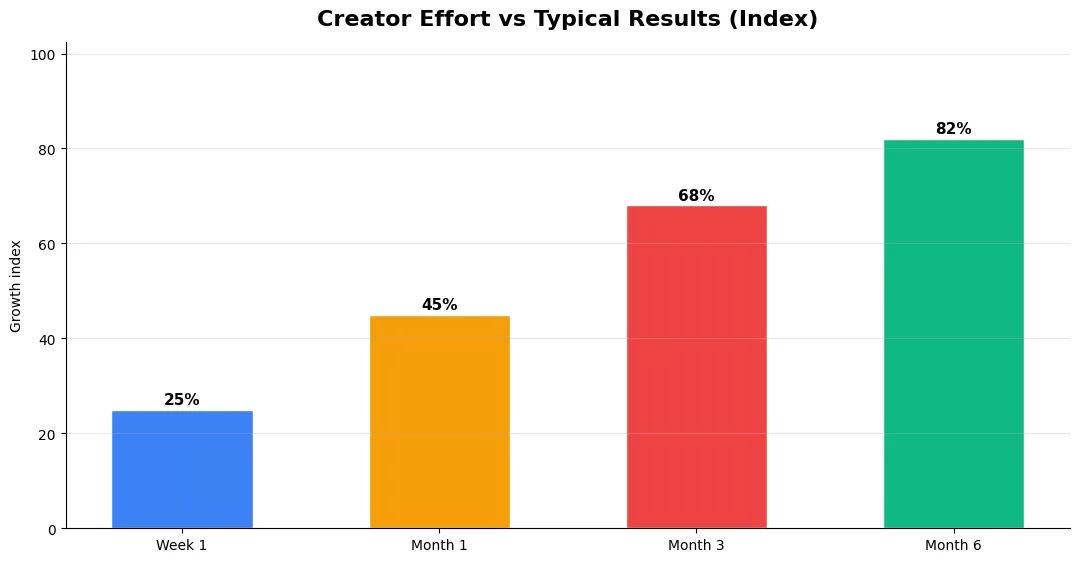
Success with youtube expands aipowered multilingual dubbing comes from clarity, consistency, and honest delivery on every title and thumbnail promise. Use the step-by-step workflow, avoid the common mistakes above, and measure retention before chasing viral spikes. Small weekly improvements compound into channel growth that lasts beyond a single trending moment.
Also Read:
- YouTube Monetization Guide for Creators in 2026
- How to Go Viral on YouTube Shorts in 2026
- Claude Opus 4.6 vs 4.7 vs 4.8 — AI Tools for Creators
What is YouTube expands AI-powered multilingual dubbing with accurate lip sync for video?
Youtube Expands Ai-Powered Multilingual Dubbing With Accurate Lip Sync For Video covers the key topic explained in this guide — definitions, practical steps, and tips you can apply immediately.
Why does YouTube expands AI-powered multilingual dubbing with accurate lip sync for video matter in 2026?
Platforms and audiences change fast; understanding YouTube expands AI-powered multilingual dubbing with accurate lip sync for video helps you stay competitive, improve results, and avoid common mistakes.
How do I get started with YouTube expands AI-powered multilingual dubbing with accurate lip sync for video?
Start with one clear goal, follow the step-by-step workflow in this article, track one or two metrics weekly, and iterate based on data.
What are common mistakes with YouTube expands AI-powered multilingual dubbing with accurate lip sync for video?
Copying trends without adapting to your niche, skipping analytics review, and inconsistent publishing are the most frequent errors.
Where can I learn more about YouTube expands AI-powered multilingual dubbing with accurate lip sync for video?
Use the Also Read links at the end of this article for related guides on Tech Bichar, and bookmark this page for future reference.