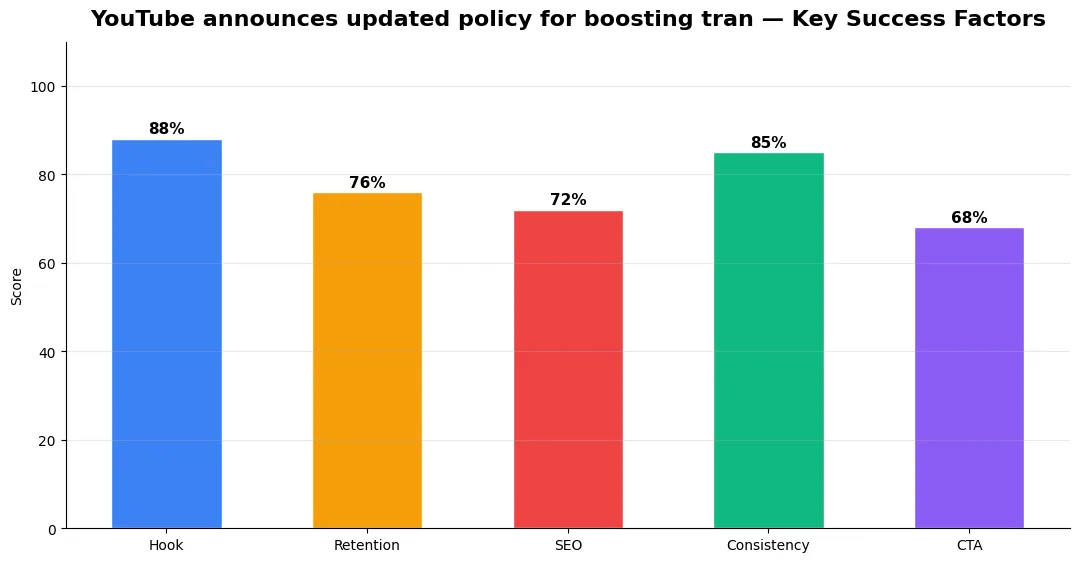
This guide covers youtube announces updated policy for in plain language for creators in India, the US, the UK, and global audiences. Whether you are starting out or refining a channel that already earns views, the frameworks below help you work smarter—not just post more often. Read through the charts and comparison table, then apply one change per week so improvements stick.
Written by Rajib Das
YouTube, the world’s largest video-sharing platform, has always been a dynamic space, constantly evolving its policies to balance the needs of creators, viewers, and advertisers. Recently, YouTube announced updates to its policies concerning demonetization and content strikes, aiming to bring greater transparency and clarity to these often-opaque processes. These changes are significant for all YouTube creators, regardless of their channel size, as they directly impact revenue generation and channel standing. This article will delve into the specifics of these updates, what they mean for creators, and how to navigate them effectively.
Understanding the Need for Transparency
For many YouTubers, their channel is more than just a hobby; it’s a source of income, a creative outlet, and a community. When a video is demonetized or a channel receives a strike, it can be incredibly frustrating, especially if the reasons are unclear. The lack of transparency in the past has led to confusion, anxiety, and sometimes, even creators leaving the platform. YouTube recognized this issue and has taken steps to address it.
The updates aim to provide creators with more detailed information about:
- The specific policy violations that led to demonetization or a strike.
- The exact timestamps within a video where the violation occurred.
- Clearer explanations of YouTube’s policies.
- Improved appeal processes.
Deeper Dive into Demonetization Policy Updates
Demonetization occurs when YouTube disables ads on a video, effectively cutting off the creator’s revenue stream. Common reasons for demonetization include:
- Inappropriate language
- Violence
- Hate speech
- Sensitive events
- Copyright infringement
- Misleading metadata (titles, descriptions, thumbnails)
The updated policy focuses on providing more granular details. Instead of a vague notification about “inappropriate content,” creators will now receive information about the specific segments of their video that triggered the demonetization. For example, if a video is flagged for using profanity, the creator will be shown the exact moments where the profanity was detected. This allows them to edit the video and potentially appeal the decision.
Practical Insights for Creators:
- Review your videos meticulously: Before uploading, carefully review your video for any content that might violate YouTube’s policies. Pay close attention to language, visuals, and audio.
- Check your metadata: Ensure that your video titles, descriptions, and thumbnails accurately reflect the content of your video and are not misleading.
- Utilize the new timestamp information: If your video is demonetized, use the provided timestamp information to quickly identify and address the problematic segments.
- Appeal when appropriate: If you believe the demonetization was unjustified, use the appeal process. Provide clear and concise arguments for why your video should be monetized.
Content Strikes: Understanding the Updates
Content strikes are more serious than demonetization. They occur when a video violates YouTube’s Community Guidelines. Receiving a strike can result in various consequences, including:
- Removal of the video
- Temporary restrictions on uploading videos, live streaming, and other features
- Permanent channel termination after three strikes
The updated policy aims to improve the clarity and accessibility of information regarding content strikes. Creators will now receive more detailed explanations of the specific Community Guideline violation, along with examples and resources to help them understand the policy better. The updated policy also clarifies the appeals process and provides creators with more opportunities to rectify the situation.
Practical Insights for Creators:
- Familiarize yourself with the Community Guidelines: Thoroughly read and understand YouTube’s Community Guidelines. Stay updated on any changes to the guidelines.
- Take the first strike seriously: Treat the first strike as a warning and carefully review your channel’s content and practices.
- Participate in YouTube’s educational resources: YouTube offers various resources, such as the Creator Academy, to help creators understand the platform’s policies and best practices.
- Consider editing or deleting the violating video: If you receive a strike, consider editing or deleting the video to prevent further consequences.
Appealing Demonetization and Content Strikes
YouTube has also streamlined the appeals process for both demonetization and content strikes. Creators can now submit appeals more easily and track the status of their appeals. The updated policy also emphasizes the importance of providing clear and concise arguments in the appeal, supported by evidence when available.
Tips for a Successful Appeal:
- Be polite and professional: Avoid using accusatory or aggressive language in your appeal.
- Be specific: Clearly explain why you believe the demonetization or strike was unjustified.
- Provide evidence: If possible, provide evidence to support your arguments. This could include timestamps, screenshots, or links to relevant resources.
- Acknowledge any mistakes: If you made a mistake, acknowledge it and explain what steps you’ve taken to prevent it from happening again.
The Bigger Picture: Building a Sustainable YouTube Channel
Ultimately, the goal of these policy updates is to foster a more transparent and sustainable ecosystem on YouTube. By providing creators with clearer information and improved processes, YouTube hopes to empower them to create high-quality content that adheres to the platform’s policies. This, in turn, benefits viewers, advertisers, and the platform as a whole.
Conclusion
YouTube’s updated policy for boosting transparency on demonetization and content strikes is a step in the right direction. While navigating these policies can still be challenging, these changes offer creators more clarity, control, and opportunities to address issues effectively. By staying informed, adhering to the Community Guidelines, and utilizing the available resources, YouTube creators can build successful and sustainable channels while avoiding costly mistakes. Remember to always prioritize creating engaging and valuable content that resonates with your audience, and to stay up-to-date with YouTube’s evolving landscape. This proactive approach will significantly minimize the risk of demonetization or strikes and help you thrive on the platform.
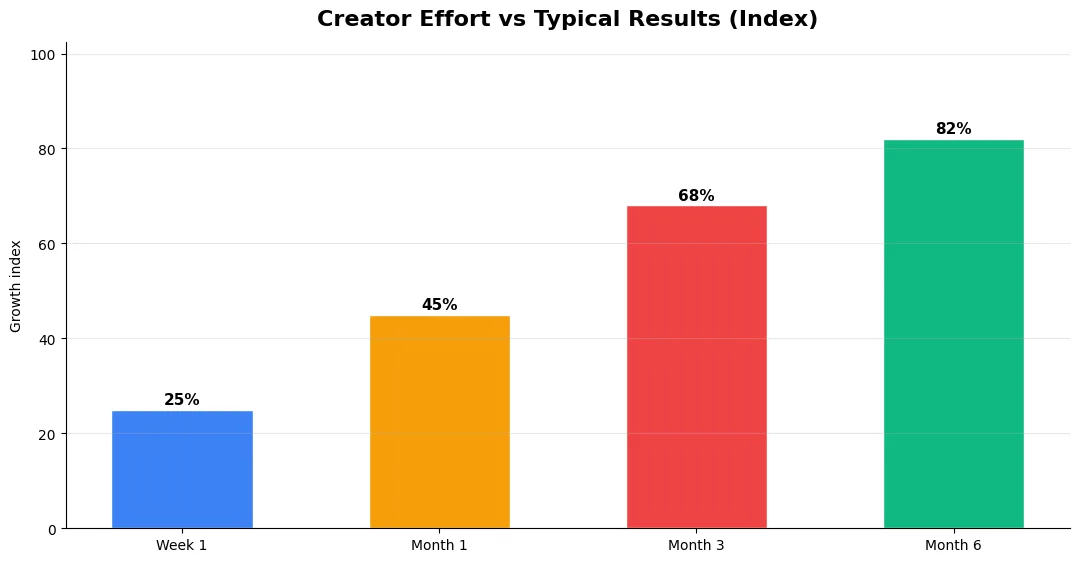
Measuring Success — Metrics That Matter
Track average view duration and audience retention before raw view count. Rising retention tells you the content matches the promise of your title and thumbnail; falling retention signals a hook or pacing problem. Monitor click-through rate separately—high CTR with low retention usually means the packaging oversold the video.
For growth channels, watch subscriber conversion per thousand views and returning viewer percentage. For monetized channels, revenue per mille and watch time from high-value geographies matter more than viral spikes from low-monetization regions. Set monthly targets for two metrics only; too many KPIs dilute focus.
Step-by-Step Workflow for 2026
Start by defining one clear outcome for every piece of content you publish. Map the viewer journey from the first frame to the subscribe or click action, and remove any step that does not move that journey forward. Batch your research, scripting, and B-roll capture so you are not context-switching between creative and administrative tasks every day.
Use a simple checklist before upload: title clarity, thumbnail readability on mobile, hook strength in the first three seconds, captions accuracy, and end-screen placement. Creators who treat upload as a quality gate—not a rush job—see compounding gains in retention and discovery over 2026.
Tools and Resources That Save Time
Invest in lightweight tools that reduce friction: a caption workflow, a thumbnail template system, and a title/description helper so metadata stays consistent. The YT Title Description Generator app helps you draft SEO-friendly titles and descriptions quickly when you batch-upload multiple videos.
Keep a swipe file of hooks, titles, and thumbnails that performed well in your niche—not to copy, but to analyze patterns. Pair that with YouTube Studio analytics and one external keyword or trend tool so creative decisions stay grounded in data.
Advanced Tips for Competitive Niches
In saturated niches, specificity wins. Narrow your positioning until you can describe your ideal viewer in one sentence, then speak directly to that person in every title and hook. Collaborate with adjacent creators whose audiences overlap but are not identical—this expands reach without diluting brand identity.
Repurpose top performers into Shorts, community posts, and newsletter snippets to extract more value from proven ideas. Update evergreen videos when platforms change features; refreshed metadata and a pinned comment with the latest link can revive older assets.
| Level | Strategy | Typical outcome |
|---|---|---|
| Beginner approach | Copy trends blindly | Low retention, no brand |
| Structured approach | Test hooks + analyze data | Steady growth |
| Pro approach | Series + community loop | Higher LTV audience |
Final Verdict — Youtube Announces Updated Policy For in 2026
Success with youtube announces updated policy for comes from clarity, consistency, and honest delivery on every title and thumbnail promise. Use the step-by-step workflow, avoid the common mistakes above, and measure retention before chasing viral spikes. Small weekly improvements compound into channel growth that lasts beyond a single trending moment.
Also Read:
- YouTube Monetization Guide for Creators in 2026
- How to Go Viral on YouTube Shorts in 2026
- Claude Opus 4.6 vs 4.7 vs 4.8 — AI Tools for Creators
What is YouTube announces updated policy for boosting transparency on demonetization and?
Youtube Announces Updated Policy For Boosting Transparency On Demonetization And covers the key topic explained in this guide — definitions, practical steps, and tips you can apply immediately.
Why does YouTube announces updated policy for boosting transparency on demonetization and matter in 2026?
Platforms and audiences change fast; understanding YouTube announces updated policy for boosting transparency on demonetization and helps you stay competitive, improve results, and avoid common mistakes.
How do I get started with YouTube announces updated policy for boosting transparency on demonetization and?
Start with one clear goal, follow the step-by-step workflow in this article, track one or two metrics weekly, and iterate based on data.
What are common mistakes with YouTube announces updated policy for boosting transparency on demonetization and?
Copying trends without adapting to your niche, skipping analytics review, and inconsistent publishing are the most frequent errors.
Where can I learn more about YouTube announces updated policy for boosting transparency on demonetization and?
Use the Also Read links at the end of this article for related guides on Tech Bichar, and bookmark this page for future reference.