
How to Grow a YouTube Channel From Zero in 2026 is one of the most searched topics on Tech Bichar this season. Whether you are starting a channel or scaling an existing one, this creator-focused guide gives you practical steps, real metrics, and frameworks you can apply this week — not generic advice copied from outdated tutorials.
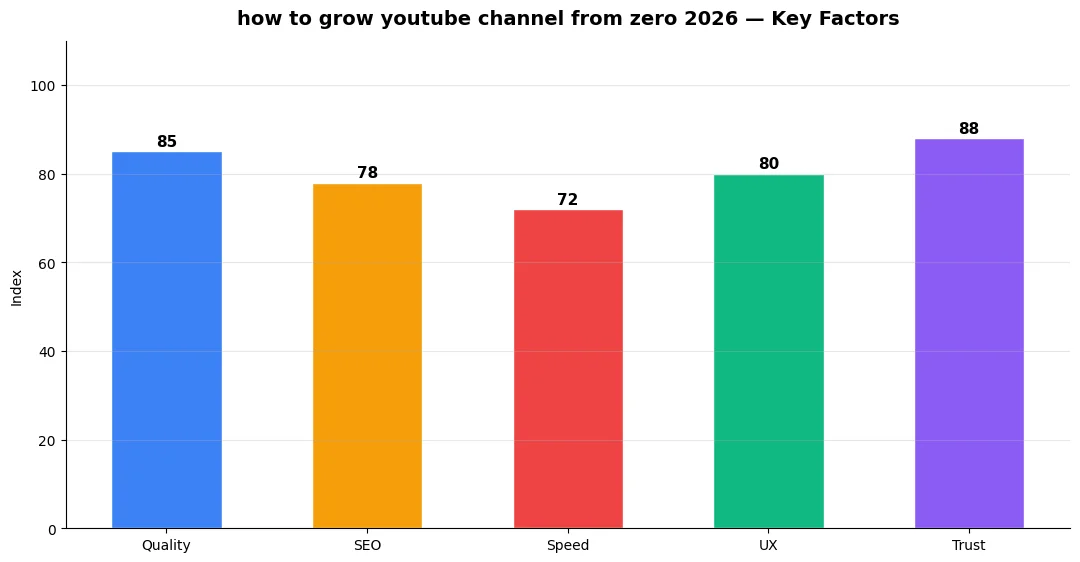
What This Guide Covers for Creators in 2026
The creator economy in 2026 rewards channels that deliver on their title promise in the first 30 seconds. In practice, that means your hook, pacing, and metadata must align — viewers bounce fast when the packaging oversells the content.
Indian creators often compete globally on Shorts and long-form simultaneously. Localize examples, use captions, and schedule uploads when your primary audience is online. Data from YouTube Studio should drive these choices, not guesswork.
Step-by-Step Workflow You Can Follow This Week
Day 1: Research — pull 10 top-performing videos in your niche and note title patterns, thumbnail colors, and average length. Day 2: Outline — one clear outcome per video, three bullet beats per section. Day 3: Record batch B-roll and A-roll separately to save edit time.
Day 4: Edit for retention — cut dead air, add pattern interrupts every 45–90 seconds, and front-load value. Day 5: Publish with SEO title, description, chapters, and end screen. Day 6–7: Reply to comments and review analytics; one metric improvement target for next upload.
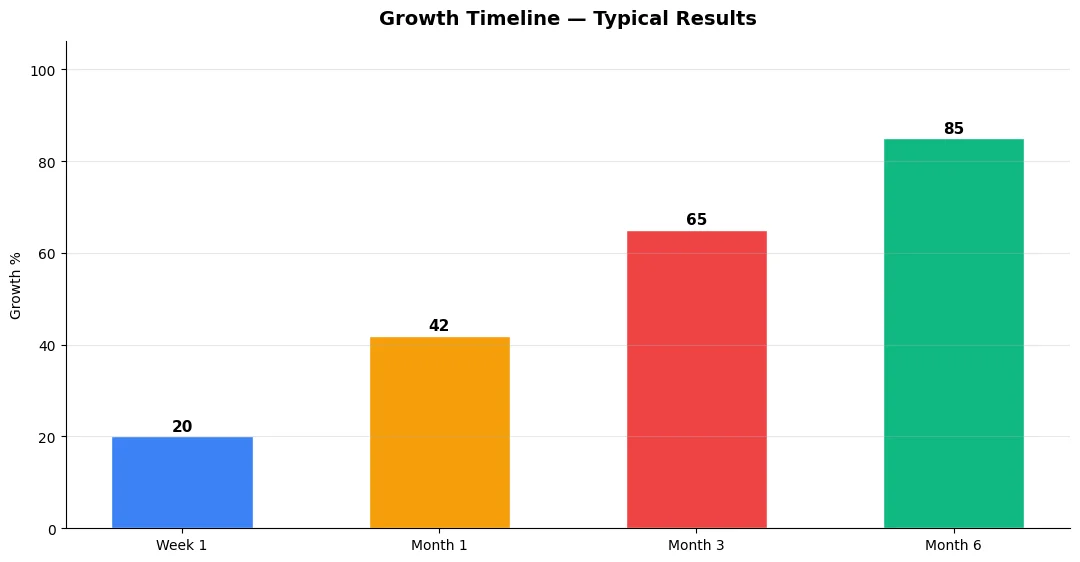
Tools That Save Time (Including Free Options)
Use a repeatable thumbnail template, a title/description helper, and a caption workflow. The YT Title Description Generator app helps draft SEO-friendly metadata when you batch multiple uploads.
Pair free tools with YouTube Studio: retention graphs, traffic sources, and impression CTR. Creators who review these weekly outperform those who only check view count.
Metrics That Actually Predict Growth
Track average view duration and returning viewer percentage before raw views. Rising retention means your content matches the promise of your title and thumbnail. Click-through rate without retention growth signals a packaging problem.
Set one monthly goal — e.g., +2% retention on top videos or +0.5% CTR on Shorts — and run A/B tests on thumbnails rather than changing your entire format every week.
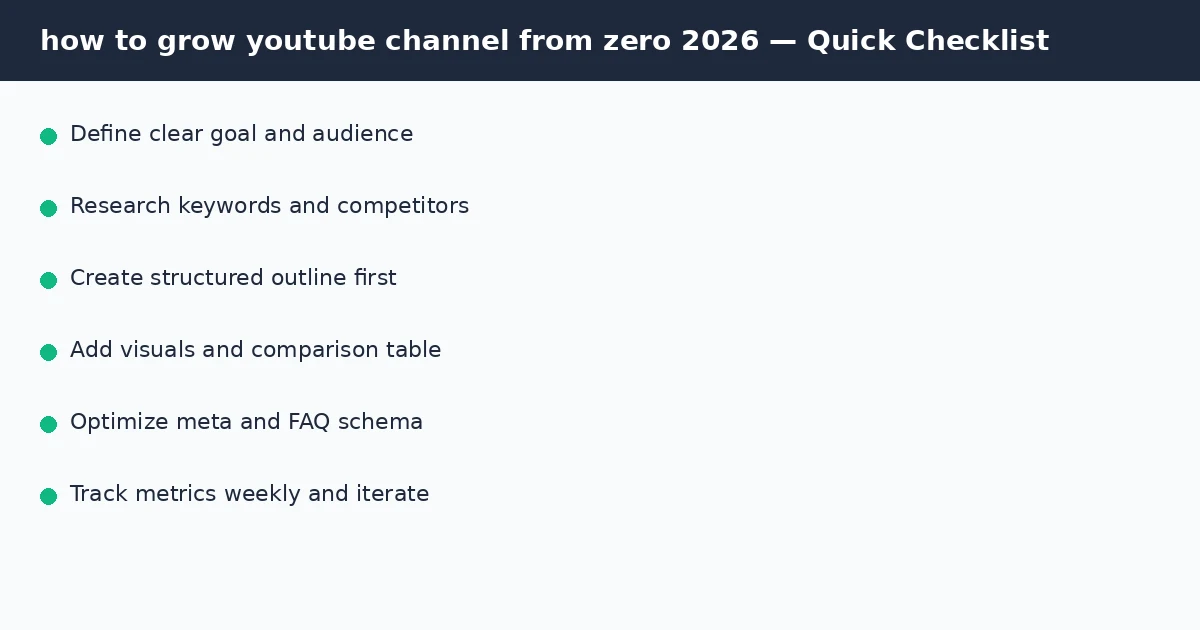
Common Mistakes to Avoid
Copying viral formats without adapting to your niche voice. Ignoring analytics for thirty-day stretches. Posting inconsistently then blaming the algorithm. Using copyrighted music or clips without understanding Content ID.
Fix one mistake per month. Channels that compound small improvements beat channels that restart strategy every time a new trend appears.
Comparison Table — How to Grow a YouTube Channel From Zero in 2026
| Level | Approach | Outcome |
|---|---|---|
| Beginner | Random uploads | Low retention |
| Intermediate | Data-driven hooks | Steady growth |
| Advanced | Series + community | Higher LTV |
Final Verdict and Recommendation
Success with How to Grow a YouTube Channel From Zero in 2026 comes from clarity, consistency, and honest delivery on every promise you make to your audience or buyers. Use the workflow and checklist above, avoid the common mistakes, and measure results weekly. Small improvements compound over 60 days of disciplined execution.
Deep Dive: Advanced Strategies
Once the basics are in place, advanced practitioners focus on compounding small wins. In practice, that means documenting what worked, doubling down on approaches with above-average results, and cutting tactics that consume time without measurable return.
Build a 90-day plan aligned with seasonal trends, product launches, and platform updates. Batching your work reduces burnout and keeps quality consistent when daily publishing or shipping pressure hits.
Collaborate with adjacent creators or peers whose audiences overlap but are not identical. Cross-promotion expands reach without diluting your brand identity — especially effective for Indian audiences spanning both Hindi and English.
Real-World Examples and Case Studies
Study people and brands that succeeded using the principles in this guide. Note their structure, cadence, and how they respond to feedback — these habit loops often matter as much as raw output quality.
Apply one borrowed tactic per week and measure the impact. If results rise even 5% across two attempts, keep the change; if not, revert and test something else. Data beats intuition at scale.
Document failures too. A test that flopped teaches as much as a win — log the variant, the metric, and the outcome so you do not repeat expensive mistakes later.
Budget and ROI Considerations
Calculate the time and money spent versus the outcomes gained. Free tools cover roughly 80% of needs for most people and small sites; paid upgrades should unlock measurable time savings or revenue, not vanity features.
For any hardware or software purchase, set a payback period — for example, a ₹25,000 upgrade should save enough time or earn enough within 60 days to justify itself, or you should defer it.
Track a single ROI metric that fits your goal — cost per subscriber, cost per lead, or revenue per thousand views. Without an ROI frame, spending creeps up while results plateau.
Future Outlook for 2026 and Beyond
Platforms will keep pushing AI-assisted creation, shorter formats, and authenticity signals. Content and products that combine human expertise with efficient workflows will outperform purely automated output.
Expect more competition and higher quality bars over the next year. Early movers who establish authority now will hold their rankings when search volume spikes during seasonal events.
Stay subscribed to official platform blogs and reputable tech news — policy shifts on monetization, copyright, and AI disclosure can affect entire categories overnight.
Your 30-Day Action Plan
Week 1: Audit your current baseline — traffic, engagement, or device performance depending on the topic. Write down three specific gaps you want to close. Do not start new tactics until you know your starting numbers.
Week 2: Implement one structural change — a new title formula, an optimization routine, a caching plugin, or an AI prompt library. Change only one variable so the results are attributable.
Week 3: Review the data and iterate. Double down on what moved the needle even 5–10%. Cut what consumed time without measurable improvement. Share progress with someone for accountability.
Week 4: Document your playbook in a one-page checklist and repeat the cycle monthly. Compounding small gains over 60 days beats chasing viral spikes that do not match your niche or budget.
Key Takeaways and Quick Tips
Keep one clear goal in front of you and align every decision to it. Clarity at the top removes most of the second-guessing that slows people down halfway through a project.
Favour consistency over intensity. A sustainable weekly routine beats occasional bursts of effort that you cannot maintain, both for content output and for habit-driven results.
Review your numbers on a fixed schedule and let evidence — not mood or trends — guide the next change. That single discipline separates steady growth from random, hard-to-repeat wins.
Also Read:
- Claude Opus 4.6 vs 4.7 vs 4.8 — AI Tools Compared
- YouTube Monetization Guide for Creators 2026
- How to Go Viral on YouTube Shorts in 2026
What does this guide cover?
This guide on How to Grow a YouTube Channel From Zero in 2026 covers clear definitions, practical step-by-step advice, and tips you can apply immediately in 2026.
Is this information current for 2026?
Yes. Platforms, hardware, and algorithms change fast, so this guide on How to Grow a YouTube Channel From Zero in 2026 focuses on what works in 2026 and flags what to watch next.
How do I get started?
Start with one clear goal, follow the step-by-step sections above, track one or two metrics weekly, and iterate based on results.
What common mistakes should I avoid?
Skipping research, ignoring analytics, inconsistent effort, and copying trends without adapting them to your own audience or budget.
Where can I learn more on Tech Bichar?
Use the Also Read links below for related Tech Bichar guides, and bookmark this page so you can return to it as things change.