If you are planning uploads this quarter, knowing which challenge video formats YouTube 2026 audiences still respond to can save you wasted production time. Challenges are no longer random dares; the winners pair a clear hook, visible stakes, and a repeatable structure that fits both search and browse traffic. This guide breaks down what still performs, how the algorithm tends to treat challenge-style videos, and where monetization fits in.
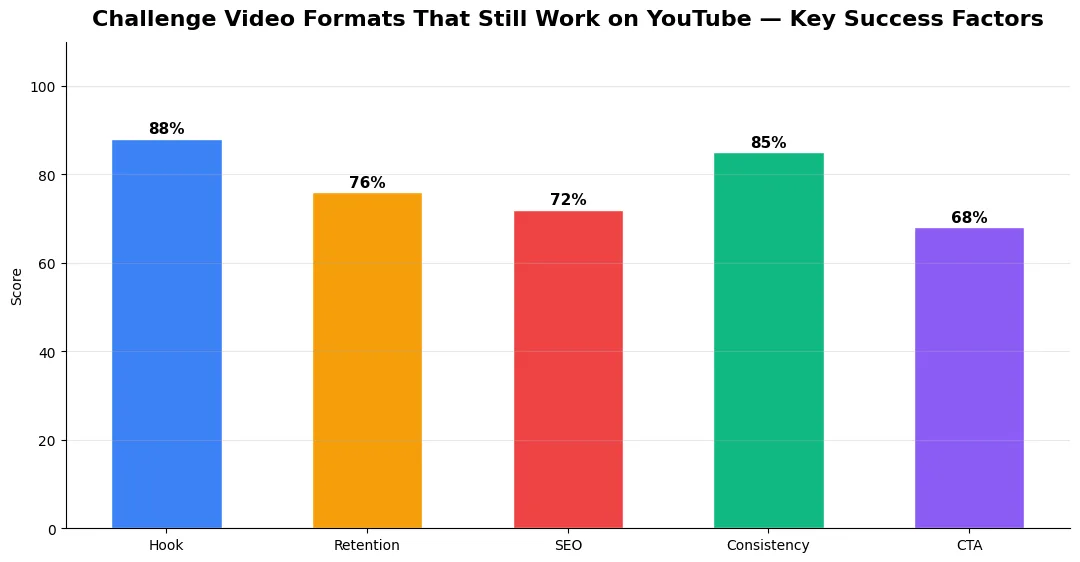
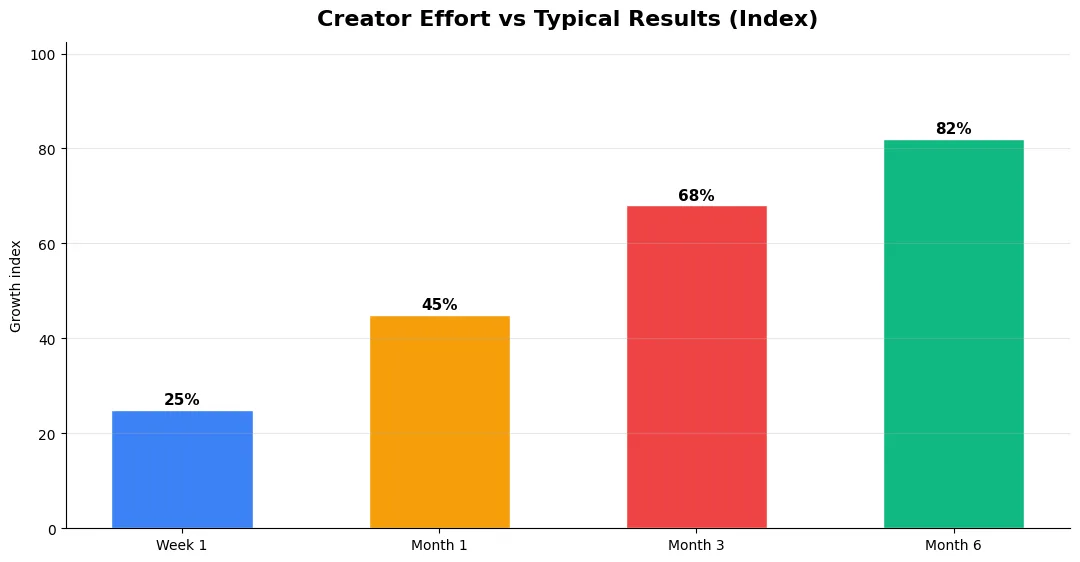
This guide covers challenge video formats that still in plain language for creators in India, the US, the UK, and global audiences. Whether you are starting out or refining a channel that already earns views, the frameworks below help you work smarter—not just post more often. Read through the charts and comparison table, then apply one change per week so improvements stick.
Challenge Video Formats on YouTube in 2026 That Still Hook Viewers
Timed trials, skill ladders, and “until you fail” progressions still work because they create natural chapter breaks in the watch timeline. Pair a bold promise in the first fifteen seconds with on-screen text that names the rule set, then escalate difficulty or stakes every few minutes. For broader context on how different upload types behave on the platform, see our hub on every YouTube content format explained. Challenge videos also benefit when you reference formats viewers already understand—similar to how reaction videos lean on familiar beats—so your title and thumbnail instantly communicate the game.
Algorithm Signals and Retention for Challenge Content
YouTube rewards clarity of intent: viewers should know the challenge, the constraint, and the payoff before they commit. Strong average view duration often comes from micro-reveals after each attempt—small wins, funny fails, or rule twists—rather than one long climax at the end. If you split experiments across Shorts and long-form, keep one narrative spine so browse traffic recognizes the series and suggested videos can chain episodes without confusing the premise. Watch the first-thirty-second retention curve: if it lags, your hook is probably vague, not your challenge idea.
Monetization and Brand Safety for Challenge Channels
Advertiser-friendly challenges avoid reckless stunts, misleading health claims, or minors in risky scenarios. Sponsorships work well when the product is part of the rule set—gear limits, budget caps, or tool comparisons—because integrations feel native. For revenue fundamentals beyond ad breaks, read our YouTube monetization guide for creators in 2026 and map which challenge types align with memberships, digital products, or affiliate explainers. Flag alcohol, fitness, or finance angles early in the script so your editor can keep disclosures visible without killing pace.
| Challenge type | Typical retention lever | Monetization fit |
|---|---|---|
| Timed skill ladder | Rising difficulty + quick resets | Mid-roll friendly long-form |
| Budget or resource limit | Shopping reveals + constraint drama | Sponsorships and affiliates |
| Social duet / collaboration | Guest reactions + banter | Memberships and live tie-ins |
| “Until you fail” endurance | Suspense + comment predictions | Super Thanks on highlights |
Production Checklist Before You Hit Record
Script the rules, the fail conditions, and three backup twists in case pacing drags. Capture coverage: wide for context, medium for emotion, and inserts for proof. Edit on the beat—cut dead air after attempts—and end with a single sentence that invites the next episode’s challenge. When challenges reuse clips or trends, stay original in commentary and structure so your catalog stays distinct and durable. Schedule a debrief after each publish: note which attempt hooked non-subscribers, where rewinds spiked, and which title variant you will A/B test on the next drop so the format sharpens instead of stagnating.
Advanced Tips for Competitive Niches
In saturated niches, specificity wins. Narrow your positioning until you can describe your ideal viewer in one sentence, then speak directly to that person in every title and hook. Collaborate with adjacent creators whose audiences overlap but are not identical—this expands reach without diluting brand identity.
Repurpose top performers into Shorts, community posts, and newsletter snippets to extract more value from proven ideas. Update evergreen videos when platforms change features; refreshed metadata and a pinned comment with the latest link can revive older assets.
Step-by-Step Workflow for 2026
Start by defining one clear outcome for every piece of content you publish. Map the viewer journey from the first frame to the subscribe or click action, and remove any step that does not move that journey forward. Batch your research, scripting, and B-roll capture so you are not context-switching between creative and administrative tasks every day.
Use a simple checklist before upload: title clarity, thumbnail readability on mobile, hook strength in the first three seconds, captions accuracy, and end-screen placement. Creators who treat upload as a quality gate—not a rush job—see compounding gains in retention and discovery over 2026.
Common Mistakes to Avoid in 2026
The fastest way to stall growth is copying trends without adapting them to your niche voice. Another frequent error is optimizing only for views while ignoring audience fit, which inflates vanity metrics but hurts monetization and brand deals later. Avoid posting on inconsistent schedules; algorithms and audiences both reward predictable cadence.
Do not neglect analytics review. Spend thirty minutes weekly on retention curves, traffic sources, and click-through rate on thumbnails. Small iterative fixes—tighter hooks, clearer titles, better pacing—often outperform chasing entirely new formats every week.
Tools and Resources That Save Time
Invest in lightweight tools that reduce friction: a caption workflow, a thumbnail template system, and a title/description helper so metadata stays consistent. The YT Title Description Generator app helps you draft SEO-friendly titles and descriptions quickly when you batch-upload multiple videos.
Keep a swipe file of hooks, titles, and thumbnails that performed well in your niche—not to copy, but to analyze patterns. Pair that with YouTube Studio analytics and one external keyword or trend tool so creative decisions stay grounded in data.
| Level | Strategy | Typical outcome |
|---|---|---|
| Beginner approach | Copy trends blindly | Low retention, no brand |
| Structured approach | Test hooks + analyze data | Steady growth |
| Pro approach | Series + community loop | Higher LTV audience |
Do challenge videos still work on YouTube in 2026?
Yes, when they have clear rules, visible stakes, and escalating attempts. Generic dares without structure tend to underperform compared to timed, budgeted, or skill-based challenges that create natural pacing.
Which challenge video formats YouTube 2026 viewers finish most often?
Progressive ladders, until-you-fail endurance runs, and constraint-based challenges usually retain better because each segment delivers a mini outcome before the next attempt.
Are challenge channels easy to monetize?
They can be when content is original, safe, and well structured. Avoid dangerous stunts and misleading claims; align integrations with the rules of the challenge for cleaner brand fits.
Should challenges be long-form or Shorts?
Use Shorts for hooks and highlights, and long-form for full attempts, commentary, and payoffs. Cross-promote both so subscribers understand the series logic.
Final Verdict — Challenge Video Formats That Still in 2026
Success with challenge video formats that still comes from clarity, consistency, and honest delivery on every title and thumbnail promise. Use the step-by-step workflow, avoid the common mistakes above, and measure retention before chasing viral spikes. Small weekly improvements compound into channel growth that lasts beyond a single trending moment.
Also Read: