When your iPhone 11 becomes unresponsive, knowing how to force restart iPhone 11 can save you from frustration. A force restart is a quick way to reset your device without losing any data. This guide will walk you through the steps clearly and simply.
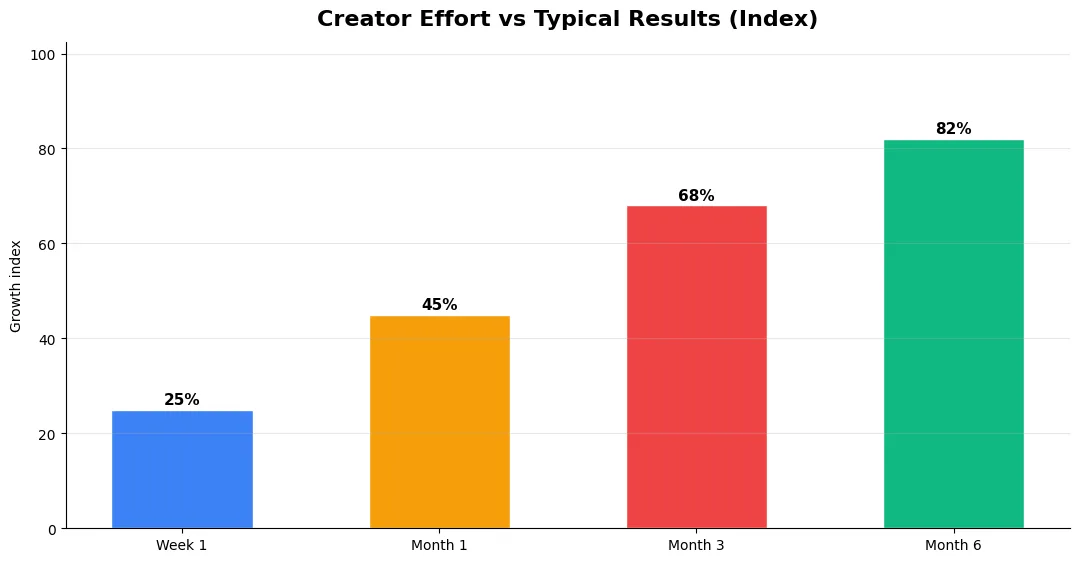
This guide covers quick guide on how to in plain language for creators in India, the US, the UK, and global audiences. Whether you are starting out or refining a channel that already earns views, the frameworks below help you work smarter—not just post more often. Read through the charts and comparison table, then apply one change per week so improvements stick.
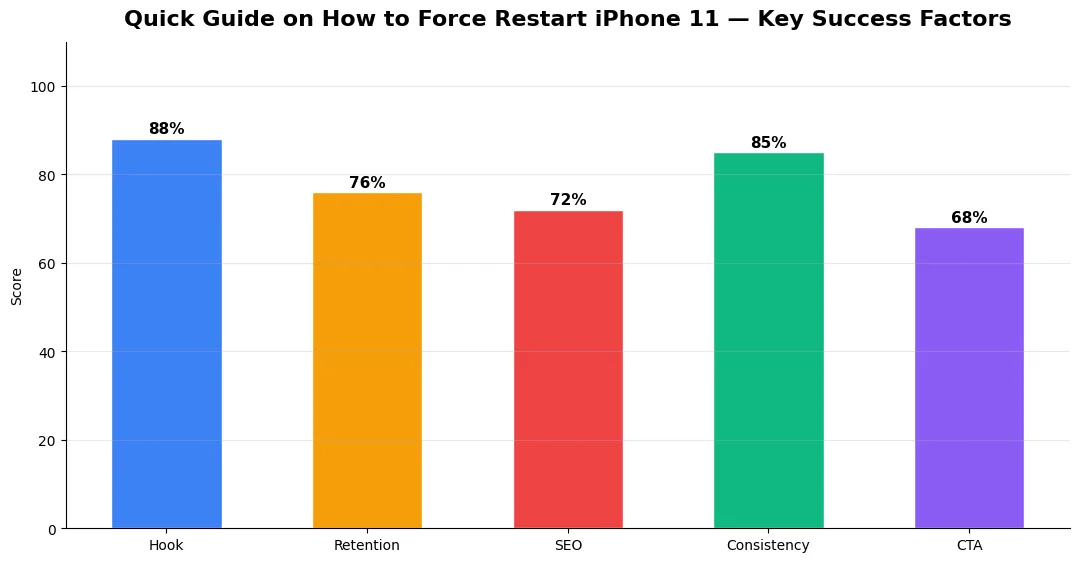
Table of Contents
What is a Force Restart?
A force restart is a method used to reboot your iPhone when it freezes or becomes unresponsive. Unlike a standard restart, which involves turning the device off and on again, a force restart bypasses the usual shutdown process. This is particularly useful if your iPhone screen is stuck or unresponsive.
Why You Might Need to Force Restart
- Frozen Screen: Your iPhone may not respond to touch.
- App Crashes: An application may stop working entirely.
- System Glitches: Minor software issues can cause the device to misbehave.
Steps on How to Force Restart iPhone 11
Here’s how to perform a force restart on your iPhone 11:
- Press and Release Volume Up: Quickly press the Volume Up button and release it.
- Press and Release Volume Down: Quickly press the Volume Down button and release it.
- Hold the Side Button: Press and hold the Side button until you see the Apple logo appear on the screen.
Important Tips
- Ensure that you perform these steps quickly.
- Do not hold the buttons for too long; just press and release as instructed.
- The process takes only a few seconds, so be patient while waiting for the Apple logo.
Informative Table
| Step | Action |
|---|---|
| 1. Volume Up | Press and release quickly |
| 2. Volume Down | Press and release quickly |
| 3. Side Button | Hold until Apple logo appears |
What Happens After a Force Restart?
After completing these steps, your iPhone will reboot. This process does not erase any data. It simply refreshes the system, allowing apps to run smoothly again.
Common Issues Resolved by Force Restart
- Apps that won’t open
- Slow performance
- Connectivity problems (Wi-Fi or Bluetooth)
If your device continues to have issues after a force restart, you may need to consider other troubleshooting methods or seek professional help.
Differences Between Regular Restart and Force Restart
Understanding the difference between a regular restart and a force restart is crucial:
- Regular Restart: Involves turning off the device using the power slider. It’s suitable for normal operation when your phone is functioning well.
- Force Restart: Used when your iPhone is unresponsive. It forces the device to reboot without going through the standard shutdown process.
Knowing how to force restart iPhone 11 is essential for every user. This simple technique can resolve many common issues quickly. Remember, it’s always best to try a regular restart first if your phone is responsive. However, if that fails, follow these steps for a force restart.
By mastering this method, you can ensure that minor glitches do not disrupt your daily use of your iPhone 11. Keep this guide handy for those moments when your device needs a quick reset!
Tools and Resources That Save Time
Invest in lightweight tools that reduce friction: a caption workflow, a thumbnail template system, and a title/description helper so metadata stays consistent. The YT Title Description Generator app helps you draft SEO-friendly titles and descriptions quickly when you batch-upload multiple videos.
Keep a swipe file of hooks, titles, and thumbnails that performed well in your niche—not to copy, but to analyze patterns. Pair that with YouTube Studio analytics and one external keyword or trend tool so creative decisions stay grounded in data.
Step-by-Step Workflow for 2026
Start by defining one clear outcome for every piece of content you publish. Map the viewer journey from the first frame to the subscribe or click action, and remove any step that does not move that journey forward. Batch your research, scripting, and B-roll capture so you are not context-switching between creative and administrative tasks every day.
Use a simple checklist before upload: title clarity, thumbnail readability on mobile, hook strength in the first three seconds, captions accuracy, and end-screen placement. Creators who treat upload as a quality gate—not a rush job—see compounding gains in retention and discovery over 2026.
Common Mistakes to Avoid in 2026
The fastest way to stall growth is copying trends without adapting them to your niche voice. Another frequent error is optimizing only for views while ignoring audience fit, which inflates vanity metrics but hurts monetization and brand deals later. Avoid posting on inconsistent schedules; algorithms and audiences both reward predictable cadence.
Do not neglect analytics review. Spend thirty minutes weekly on retention curves, traffic sources, and click-through rate on thumbnails. Small iterative fixes—tighter hooks, clearer titles, better pacing—often outperform chasing entirely new formats every week.
Measuring Success — Metrics That Matter
Track average view duration and audience retention before raw view count. Rising retention tells you the content matches the promise of your title and thumbnail; falling retention signals a hook or pacing problem. Monitor click-through rate separately—high CTR with low retention usually means the packaging oversold the video.
For growth channels, watch subscriber conversion per thousand views and returning viewer percentage. For monetized channels, revenue per mille and watch time from high-value geographies matter more than viral spikes from low-monetization regions. Set monthly targets for two metrics only; too many KPIs dilute focus.
| Level | Strategy | Typical outcome |
|---|---|---|
| Beginner approach | Copy trends blindly | Low retention, no brand |
| Structured approach | Test hooks + analyze data | Steady growth |
| Pro approach | Series + community loop | Higher LTV audience |
Final Verdict — Quick Guide On How To in 2026
Success with quick guide on how to comes from clarity, consistency, and honest delivery on every title and thumbnail promise. Use the step-by-step workflow, avoid the common mistakes above, and measure retention before chasing viral spikes. Small weekly improvements compound into channel growth that lasts beyond a single trending moment.
Also Read:
- YouTube Monetization Guide for Creators in 2026
- How to Go Viral on YouTube Shorts in 2026
- Claude Opus 4.6 vs 4.7 vs 4.8 — AI Tools for Creators
What is Quick Guide on How to Force Restart iPhone 11?
Quick Guide On How To Force Restart Iphone 11 covers the key topic explained in this guide — definitions, practical steps, and tips you can apply immediately.
Why does Quick Guide on How to Force Restart iPhone 11 matter in 2026?
Platforms and audiences change fast; understanding Quick Guide on How to Force Restart iPhone 11 helps you stay competitive, improve results, and avoid common mistakes.
How do I get started with Quick Guide on How to Force Restart iPhone 11?
Start with one clear goal, follow the step-by-step workflow in this article, track one or two metrics weekly, and iterate based on data.
What are common mistakes with Quick Guide on How to Force Restart iPhone 11?
Copying trends without adapting to your niche, skipping analytics review, and inconsistent publishing are the most frequent errors.
Where can I learn more about Quick Guide on How to Force Restart iPhone 11?
Use the Also Read links at the end of this article for related guides on Tech Bichar, and bookmark this page for future reference.