Ad revenue used to be the only game in town for YouTube creators. Not anymore. In 2026, the smartest creators are building diversified income streams that don’t depend entirely on CPM rates and ad impressions. From fan funding to affiliate shopping commissions, here are 5 real ways creators are making serious money beyond traditional ads — and how you can start doing the same.
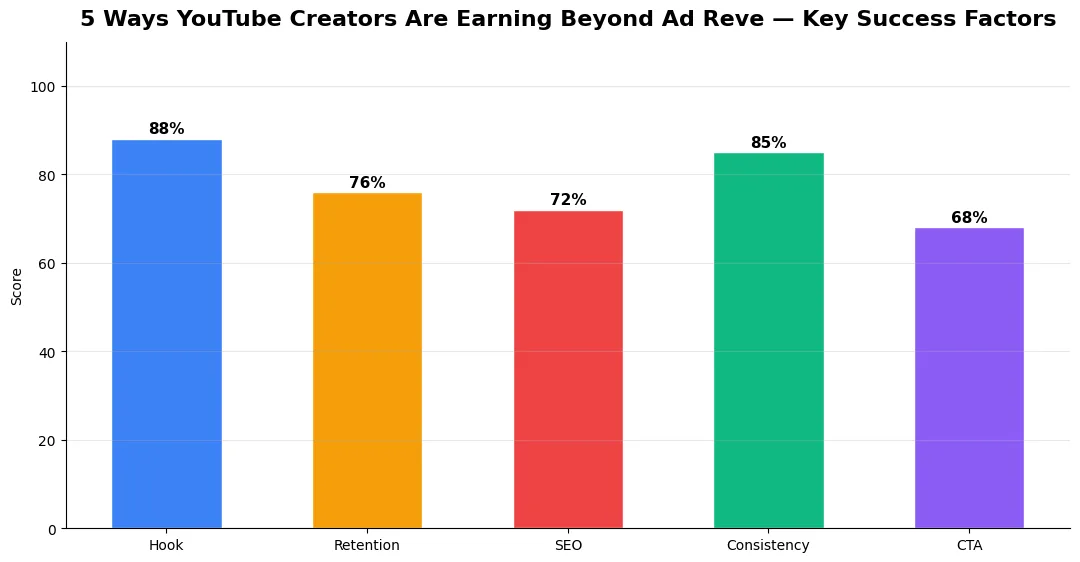
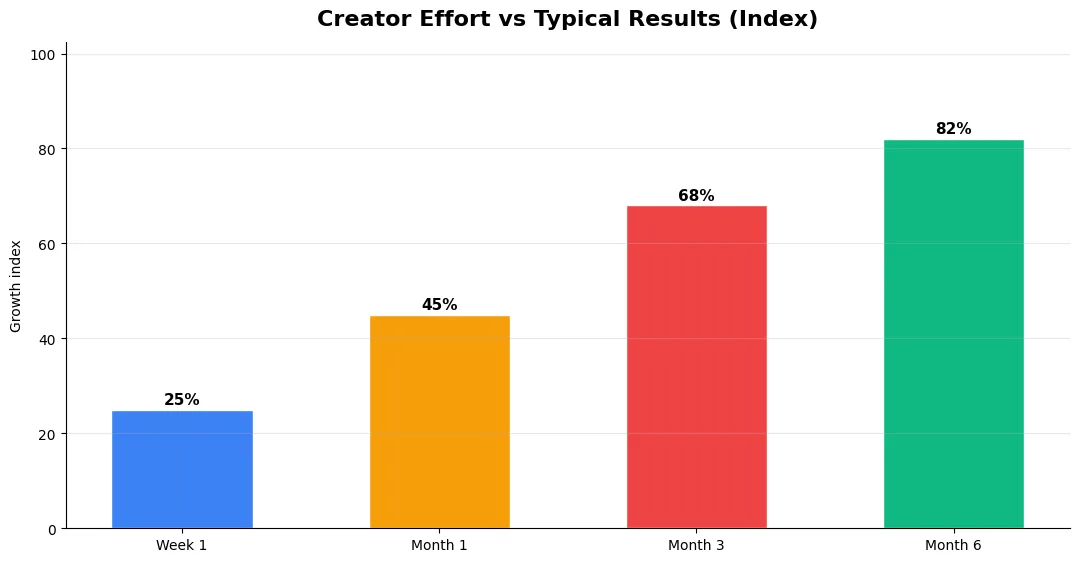
This guide covers 5 ways youtube creators are in plain language for creators in India, the US, the UK, and global audiences. Whether you are starting out or refining a channel that already earns views, the frameworks below help you work smarter—not just post more often. Read through the charts and comparison table, then apply one change per week so improvements stick.
1. YouTube Jewels and Gifts — Fan Funding That Actually Works
YouTube’s Jewels system has replaced the old Super Chat and Super Thanks model with something far more engaging. Viewers buy virtual “Jewels” and send them as animated gifts during live streams, premieres, and even on regular videos. Creators keep 70% of the revenue from gifts.
What makes this different from the old Super Chat system is the gamification layer. Viewers earn badges and recognition for gifting, which encourages repeat behavior. Top gift-senders get highlighted in chat and on the creator’s community tab. Channels with strong community engagement — not necessarily the biggest subscriber counts — are seeing monthly Jewels income between ₹50,000 and ₹5,00,000+. The key is creating moments worth celebrating: milestones, challenges, and interactive streams where viewers feel part of the experience.
2. YouTube Shopping Affiliate Commissions
YouTube Shopping’s affiliate program lets creators tag products directly in their videos. When a viewer buys through your tag, you earn a commission — typically 5-15% depending on the product category. YouTube recently added in-app checkout, so viewers don’t even leave the platform to purchase.
This is massive for tech reviewers, fashion creators, and anyone who discusses products in their content. YouTube reports a 5x year-over-year growth in Shopping Gross Merchandise Volume. The creators earning the most from Shopping are those who organically integrate product mentions into their content rather than creating dedicated “buy this” videos. A casual mention of a gadget you actually use, with a product tag below, converts far better than a hard sell.
3. Channel Memberships with Tiered Perks
Channel memberships got a significant upgrade in 2026. Creators can now offer up to 6 membership tiers (up from 5) with more flexible perks including early access, members-only Shorts, exclusive Community posts, and even members-only live streams.
The real money is in the higher tiers. While most members choose the cheapest option, a small percentage of dedicated fans will happily pay ₹500-2,000/month for premium access. Creators report that members-only content doesn’t need to be wildly different — even behind-the-scenes footage, extended cuts, or Q&A sessions create enough perceived value to justify membership pricing.
4. Brand Sponsorships and Direct Deals
Sponsorship revenue continues to dwarf ad revenue for mid-to-large creators. A channel with 100K subscribers can command ₹50,000-2,00,000 per sponsored video depending on the niche. Tech, finance, and education niches command the highest rates.
The 2026 shift: brands are increasingly interested in Shorts sponsorships, not just long-form integrations. A 30-second sponsored Short costs less than a full video integration but reaches a broader audience. Smart creators bundle deals — offering a long-form mention plus 2-3 Shorts for a package price that’s more attractive to brands and more profitable per hour of effort.
5. Digital Products and Services
Creators in educational and skill-based niches are building serious businesses selling courses, templates, presets, and consulting services to their audiences. A creator who teaches video editing can sell a course for ₹2,999-9,999 per student. With even modest conversion rates, a channel with 50K engaged subscribers can generate ₹5-15 lakh in course sales per launch.
App developers are also capitalizing on this trend. Creator-focused apps like the YT Title Description Generator are examples of digital products built by creators for creators — solving real pain points that your audience faces daily.
YouTube Creator Monetization Methods Compared
| Revenue Stream | Avg Monthly Earnings (50K subs) | Effort Level | Scalability |
|---|---|---|---|
| Ad Revenue (AdSense) | ₹20,000–80,000 | Low (passive) | Medium |
| Jewels & Gifts | ₹10,000–1,00,000 | Medium (live engagement) | High |
| Shopping Affiliates | ₹5,000–50,000 | Low (tag products) | High |
| Memberships | ₹15,000–1,50,000 | Medium (exclusive content) | High |
| Sponsorships | ₹50,000–2,00,000 | High (negotiation + delivery) | Medium |
| Digital Products | Variable (₹0–15,00,000/launch) | Very High (creation + marketing) | Very High |
The most resilient creators combine 3-4 of these streams. If one dips — say ad CPMs drop during a slow quarter — the others compensate. That’s the entire point of diversification: protecting your income from the volatility of any single platform feature.
Final Verdict
Relying solely on YouTube ad revenue in 2026 is leaving money on the table. Start with the lowest-effort options — Shopping affiliate tags and Community engagement for Jewels — and build up to memberships and sponsorships as your audience grows. The creators earning 6-7 figures annually aren’t doing anything magical; they’re just stacking multiple revenue streams on top of great content.
Step-by-Step Workflow for 2026
Start by defining one clear outcome for every piece of content you publish. Map the viewer journey from the first frame to the subscribe or click action, and remove any step that does not move that journey forward. Batch your research, scripting, and B-roll capture so you are not context-switching between creative and administrative tasks every day.
Use a simple checklist before upload: title clarity, thumbnail readability on mobile, hook strength in the first three seconds, captions accuracy, and end-screen placement. Creators who treat upload as a quality gate—not a rush job—see compounding gains in retention and discovery over 2026.
Common Mistakes to Avoid in 2026
The fastest way to stall growth is copying trends without adapting them to your niche voice. Another frequent error is optimizing only for views while ignoring audience fit, which inflates vanity metrics but hurts monetization and brand deals later. Avoid posting on inconsistent schedules; algorithms and audiences both reward predictable cadence.
Do not neglect analytics review. Spend thirty minutes weekly on retention curves, traffic sources, and click-through rate on thumbnails. Small iterative fixes—tighter hooks, clearer titles, better pacing—often outperform chasing entirely new formats every week.
Tools and Resources That Save Time
Invest in lightweight tools that reduce friction: a caption workflow, a thumbnail template system, and a title/description helper so metadata stays consistent. The YT Title Description Generator app helps you draft SEO-friendly titles and descriptions quickly when you batch-upload multiple videos.
Keep a swipe file of hooks, titles, and thumbnails that performed well in your niche—not to copy, but to analyze patterns. Pair that with YouTube Studio analytics and one external keyword or trend tool so creative decisions stay grounded in data.
Measuring Success — Metrics That Matter
Track average view duration and audience retention before raw view count. Rising retention tells you the content matches the promise of your title and thumbnail; falling retention signals a hook or pacing problem. Monitor click-through rate separately—high CTR with low retention usually means the packaging oversold the video.
For growth channels, watch subscriber conversion per thousand views and returning viewer percentage. For monetized channels, revenue per mille and watch time from high-value geographies matter more than viral spikes from low-monetization regions. Set monthly targets for two metrics only; too many KPIs dilute focus.
| Level | Strategy | Typical outcome |
|---|---|---|
| Beginner approach | Copy trends blindly | Low retention, no brand |
| Structured approach | Test hooks + analyze data | Steady growth |
| Pro approach | Series + community loop | Higher LTV audience |
How much can a YouTube creator earn from Jewels and Gifts?
What is YouTube Shopping affiliate commission rate?
How many YouTube monetization streams should a creator have?
Can small YouTube channels earn from sponsorships?
Final Verdict — 5 Ways Youtube Creators Are in 2026
Success with 5 ways youtube creators are comes from clarity, consistency, and honest delivery on every title and thumbnail promise. Use the step-by-step workflow, avoid the common mistakes above, and measure retention before chasing viral spikes. Small weekly improvements compound into channel growth that lasts beyond a single trending moment.
Also Read: