Many live creators still choose between YouTube Live and Twitch in 2026. YouTube offers search and Shorts reach; Twitch offers deep chat culture in key niches. This piece compares features, tipping-style monetization, simulcasting, and deals at a high level so you can plan without hype. For wider context, open YouTube 2026 creator platform changes and YouTube vs TikTok vs Instagram (2026).
This guide covers how youtube competes with twitch in plain language for creators in India, the US, the UK, and global audiences. Whether you are starting out or refining a channel that already earns views, the frameworks below help you work smarter—not just post more often. Read through the charts and comparison table, then apply one change per week so improvements stick.
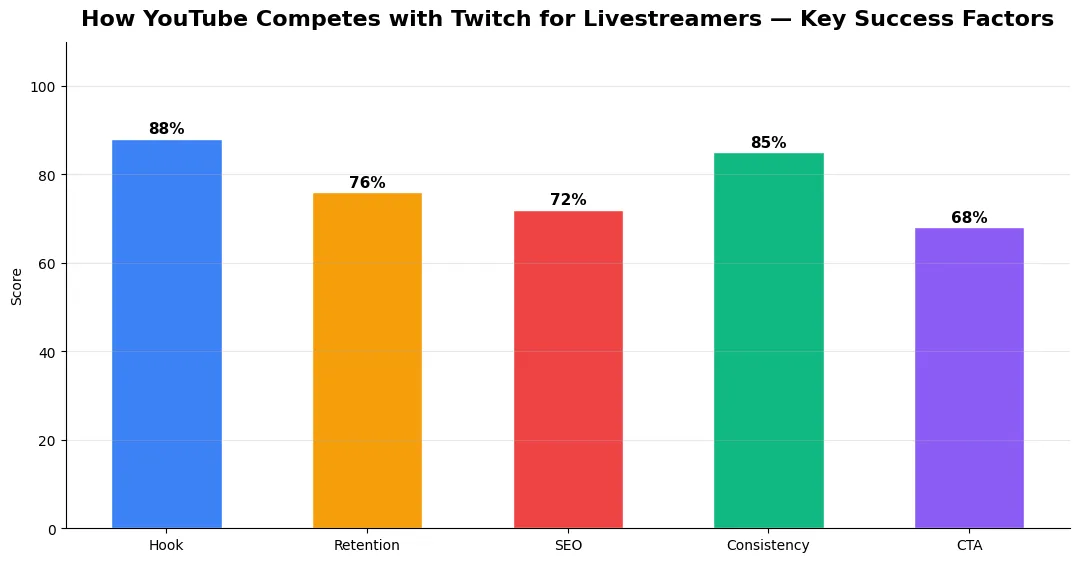
Live features: YouTube vs Twitch
YouTube integrates live video with the rest of your channel: long-form VODs, Shorts, and Members posts can all point to the same brand. Discovery can come from search, recommendations, and subscribers who also watch your uploads. Twitch centers the live directory, raids, and emote culture; its strength is community habit inside the platform. YouTube has improved live latency, clipping, and chat moderation tools, while Twitch still leads in native interactive expectations for certain niches. Neither platform “wins” universally—the fit depends on whether your growth engine is browse behavior or search plus evergreen video. Test both with small experiments before you rebuild your entire schedule around one home.
Jewels, Bits, and viewer tipping culture
Twitch popularized Bits and channel-specific hype around cheering; YouTube has been expanding parallel monetization paths such as Super Chat, Super Stickers, and newer live gifting mechanics including Jewels-style flows aimed at mobile-first viewers. Exact product names and availability can vary by region and rollout, so verify current labels in each app before you promise perks to fans. The strategic point is the same: both ecosystems monetize real-time emotion—laughter, surprise, competition—so stable schedules and clear calls-to-action matter more than the specific token name.
Simulcasting and exclusive streaming deals
Simulcasting lets you reach YouTube and Twitch audiences at once, but partner contracts and platform terms may restrict it when money or badges are involved. Read your agreement before you sign: exclusivity clauses can limit where you appear, how you clip highlights, and which tips you can accept. Many creators use YouTube for searchable archives and Twitch for core chat-heavy sessions, or the reverse—what matters is a deliberate split, not accidental policy violations. For revenue beyond tips and ads, read earning beyond ad revenue on YouTube in 2026.
Revenue models for live streamers
| Revenue lever | YouTube Live (typical) | Twitch (typical) |
|---|---|---|
| Ads on live & VOD | Strong when long-form catalog exists | Varies with partner status and prerolls |
| Live tipping / cheers | Super Chat, stickers, gifts | Bits, subs, gifts |
| Subscriptions / memberships | Channel Memberships | Twitch subs & tiers |
| Discovery advantage | Search + Shorts funnel | Directory + raid graph |
| Contract risk | Check YPP and live terms | Watch exclusivity in partner deals |
Use the table as a conversation starter with your manager or accountant, not as a guarantee of rates—CPMs and splits change with geography, category, and season.
Conclusion: YouTube pairs live with massive on-demand discovery; Twitch leads live-native habit in some communities. Choose by audience origin, contract freedom, and how much searchable archives matter to your growth—or mix platforms on purpose instead of locking in forever. Revisit the decision yearly because features, payouts, and exclusivity rules keep moving.
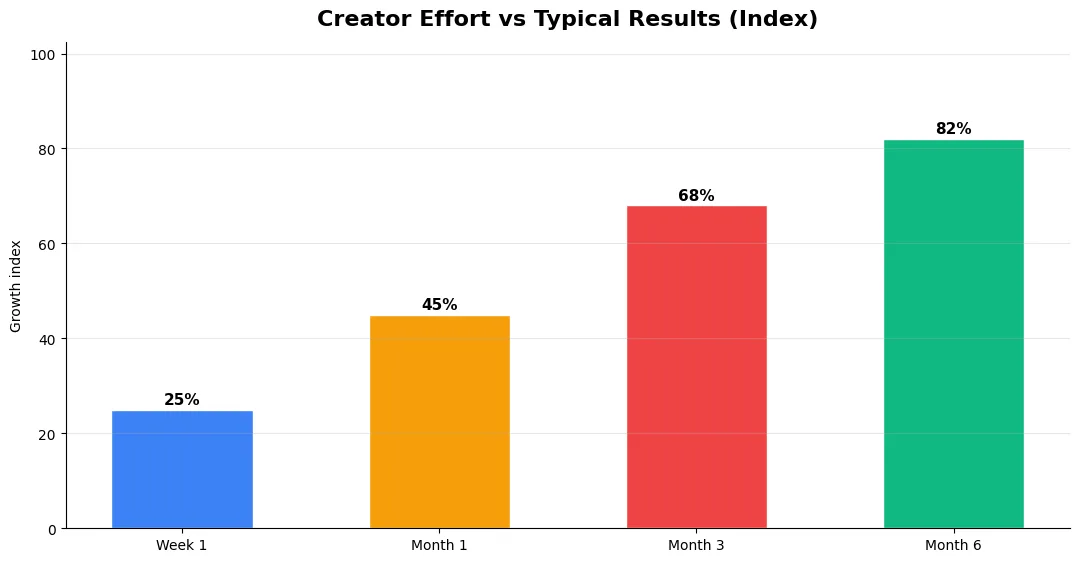
Step-by-Step Workflow for 2026
Start by defining one clear outcome for every piece of content you publish. Map the viewer journey from the first frame to the subscribe or click action, and remove any step that does not move that journey forward. Batch your research, scripting, and B-roll capture so you are not context-switching between creative and administrative tasks every day.
Use a simple checklist before upload: title clarity, thumbnail readability on mobile, hook strength in the first three seconds, captions accuracy, and end-screen placement. Creators who treat upload as a quality gate—not a rush job—see compounding gains in retention and discovery over 2026.
Tools and Resources That Save Time
Invest in lightweight tools that reduce friction: a caption workflow, a thumbnail template system, and a title/description helper so metadata stays consistent. The YT Title Description Generator app helps you draft SEO-friendly titles and descriptions quickly when you batch-upload multiple videos.
Keep a swipe file of hooks, titles, and thumbnails that performed well in your niche—not to copy, but to analyze patterns. Pair that with YouTube Studio analytics and one external keyword or trend tool so creative decisions stay grounded in data.
Common Mistakes to Avoid in 2026
The fastest way to stall growth is copying trends without adapting them to your niche voice. Another frequent error is optimizing only for views while ignoring audience fit, which inflates vanity metrics but hurts monetization and brand deals later. Avoid posting on inconsistent schedules; algorithms and audiences both reward predictable cadence.
Do not neglect analytics review. Spend thirty minutes weekly on retention curves, traffic sources, and click-through rate on thumbnails. Small iterative fixes—tighter hooks, clearer titles, better pacing—often outperform chasing entirely new formats every week.
Advanced Tips for Competitive Niches
In saturated niches, specificity wins. Narrow your positioning until you can describe your ideal viewer in one sentence, then speak directly to that person in every title and hook. Collaborate with adjacent creators whose audiences overlap but are not identical—this expands reach without diluting brand identity.
Repurpose top performers into Shorts, community posts, and newsletter snippets to extract more value from proven ideas. Update evergreen videos when platforms change features; refreshed metadata and a pinned comment with the latest link can revive older assets.
| Level | Strategy | Typical outcome |
|---|---|---|
| Beginner approach | Copy trends blindly | Low retention, no brand |
| Structured approach | Test hooks + analyze data | Steady growth |
| Pro approach | Series + community loop | Higher LTV audience |
Should new streamers start on YouTube or Twitch in 2026?
What are YouTube Jewels compared to Twitch Bits?
Is simulcasting always allowed?
How do exclusive streaming deals affect revenue?
Final Verdict — How Youtube Competes With Twitch in 2026
Success with how youtube competes with twitch comes from clarity, consistency, and honest delivery on every title and thumbnail promise. Use the step-by-step workflow, avoid the common mistakes above, and measure retention before chasing viral spikes. Small weekly improvements compound into channel growth that lasts beyond a single trending moment.
Also Read: